

Last updated October 31, 2026
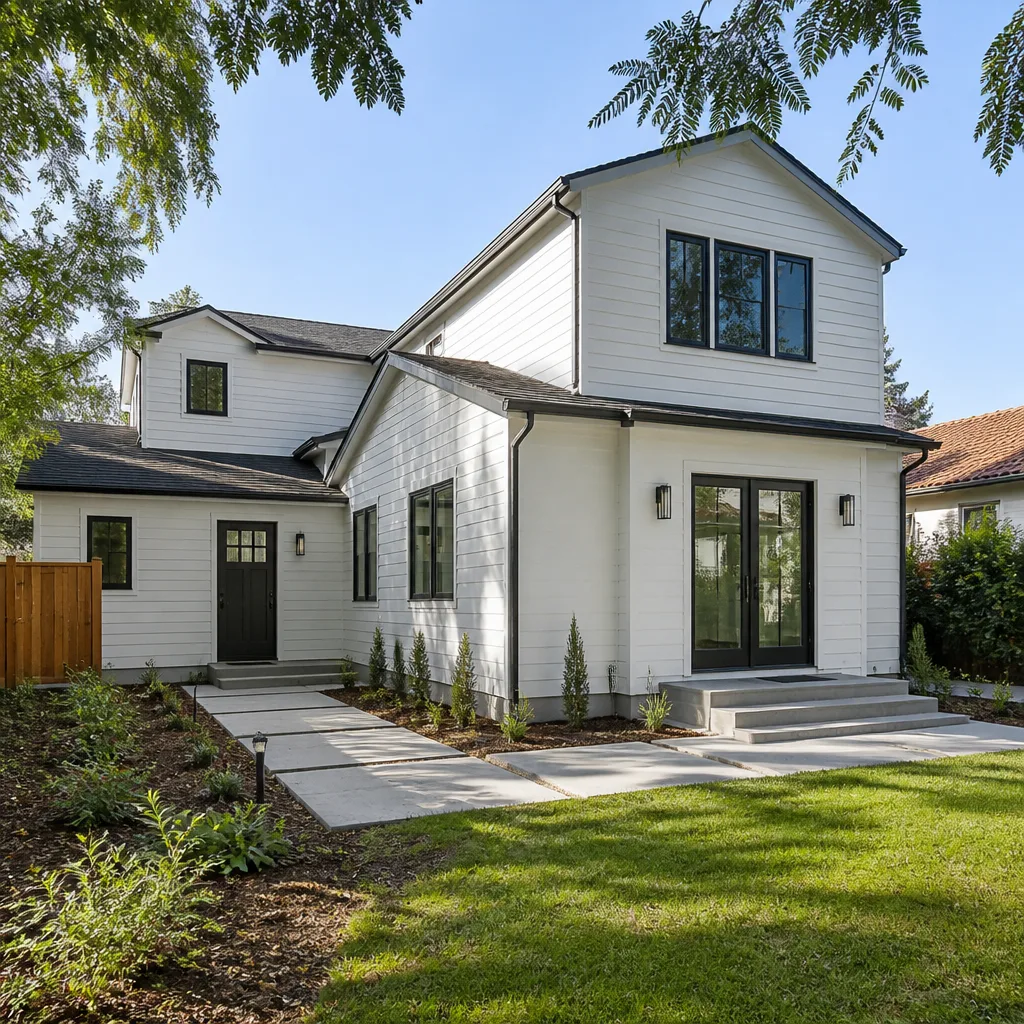 Home additions & ADU
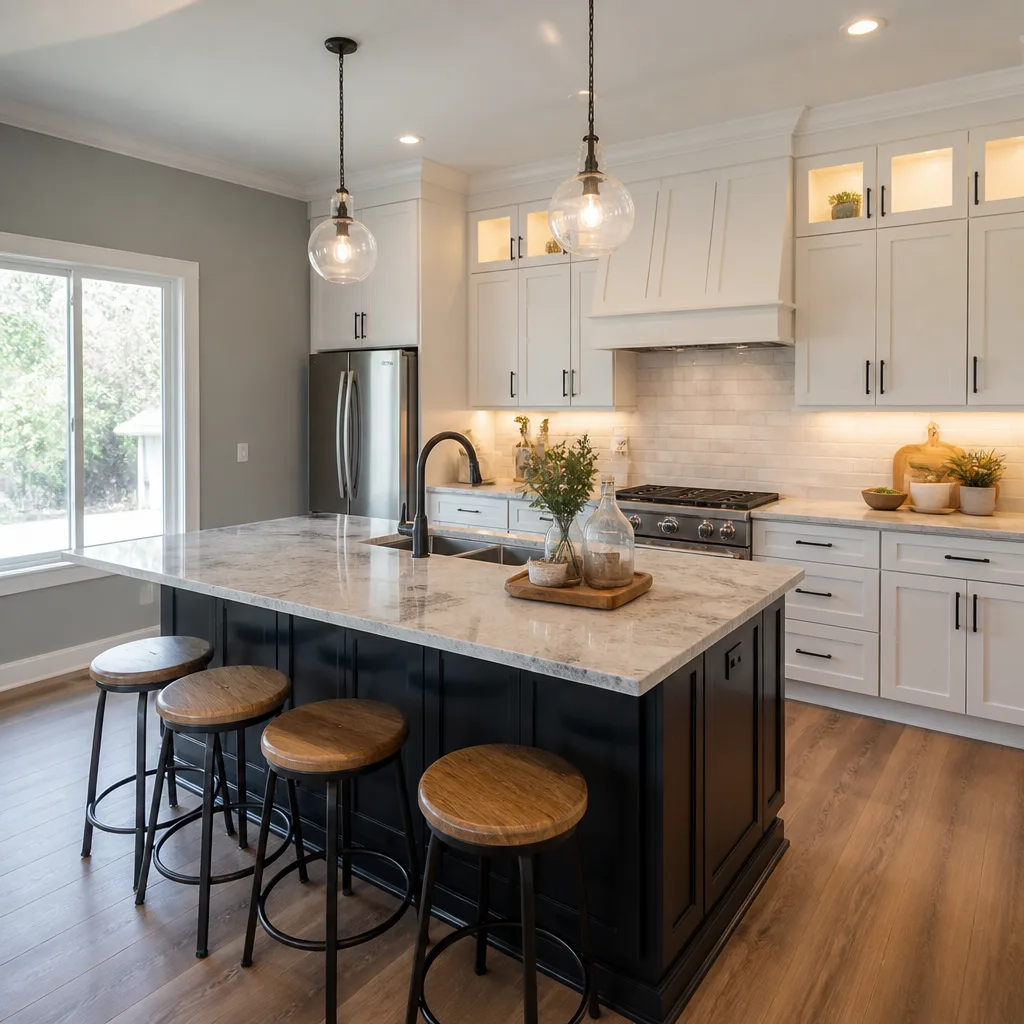 Kitchen remodeling
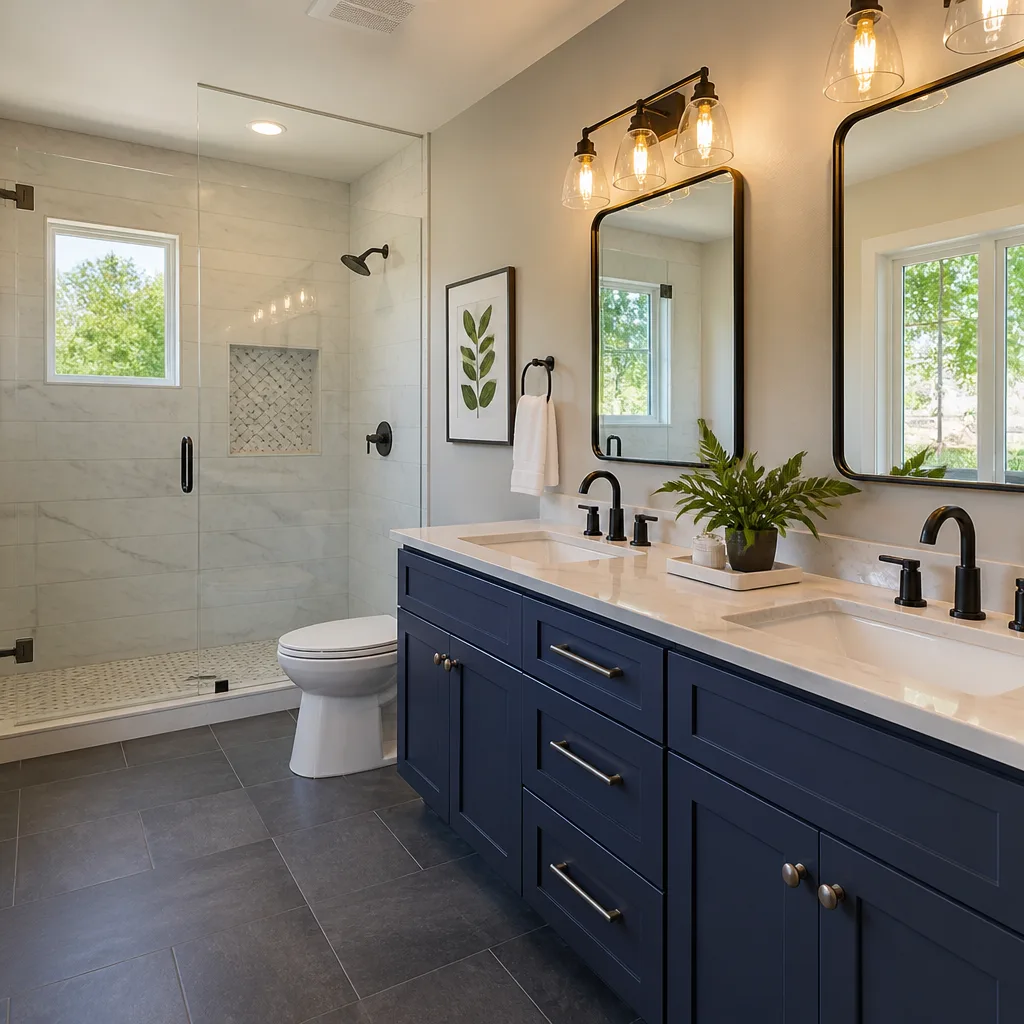 Bathroom remodeling
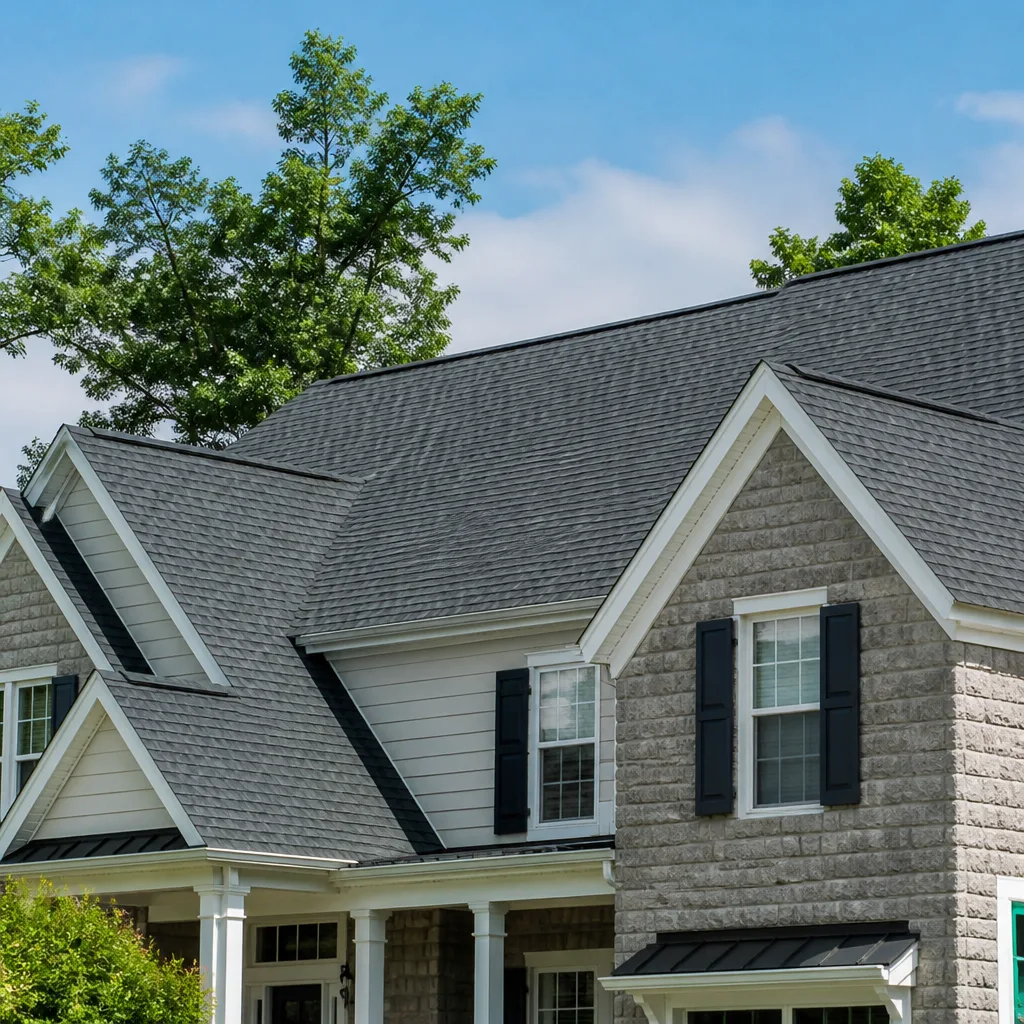 Roofing
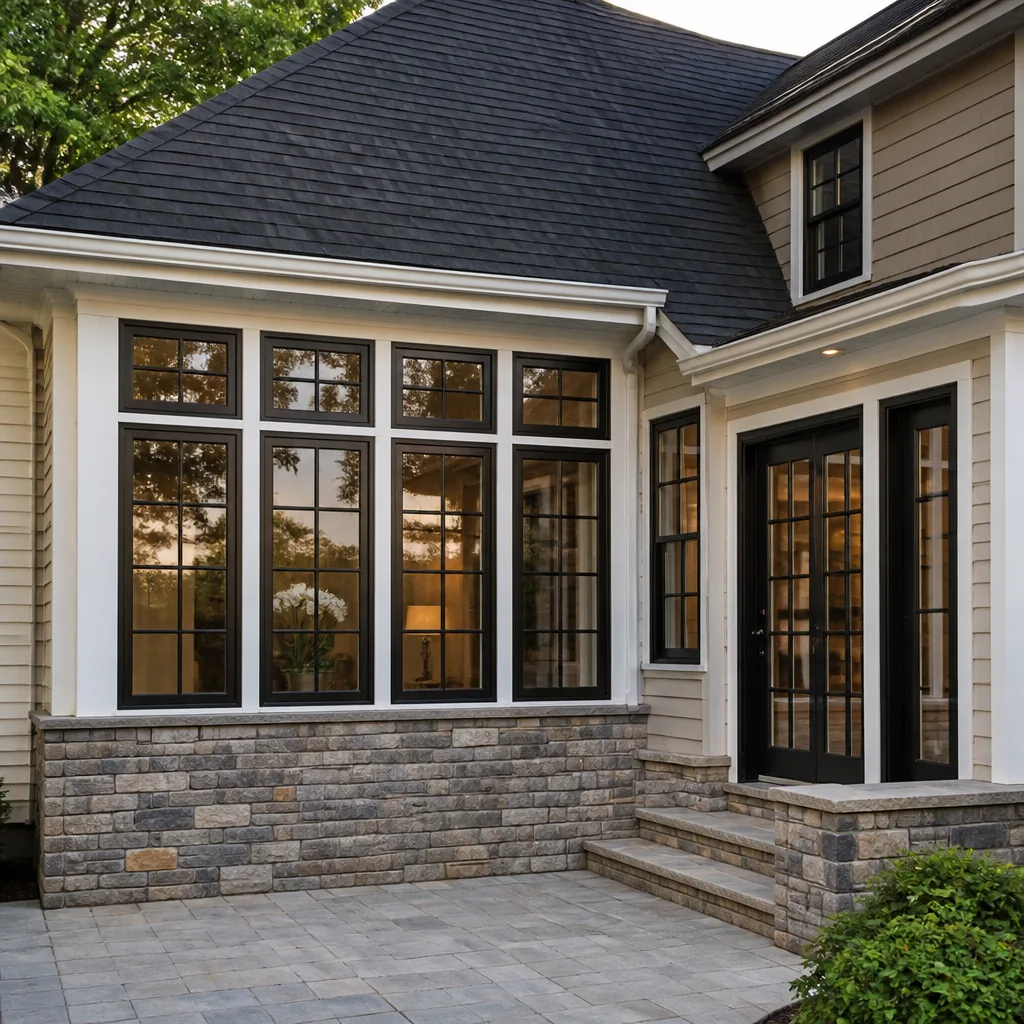 Windows & doors
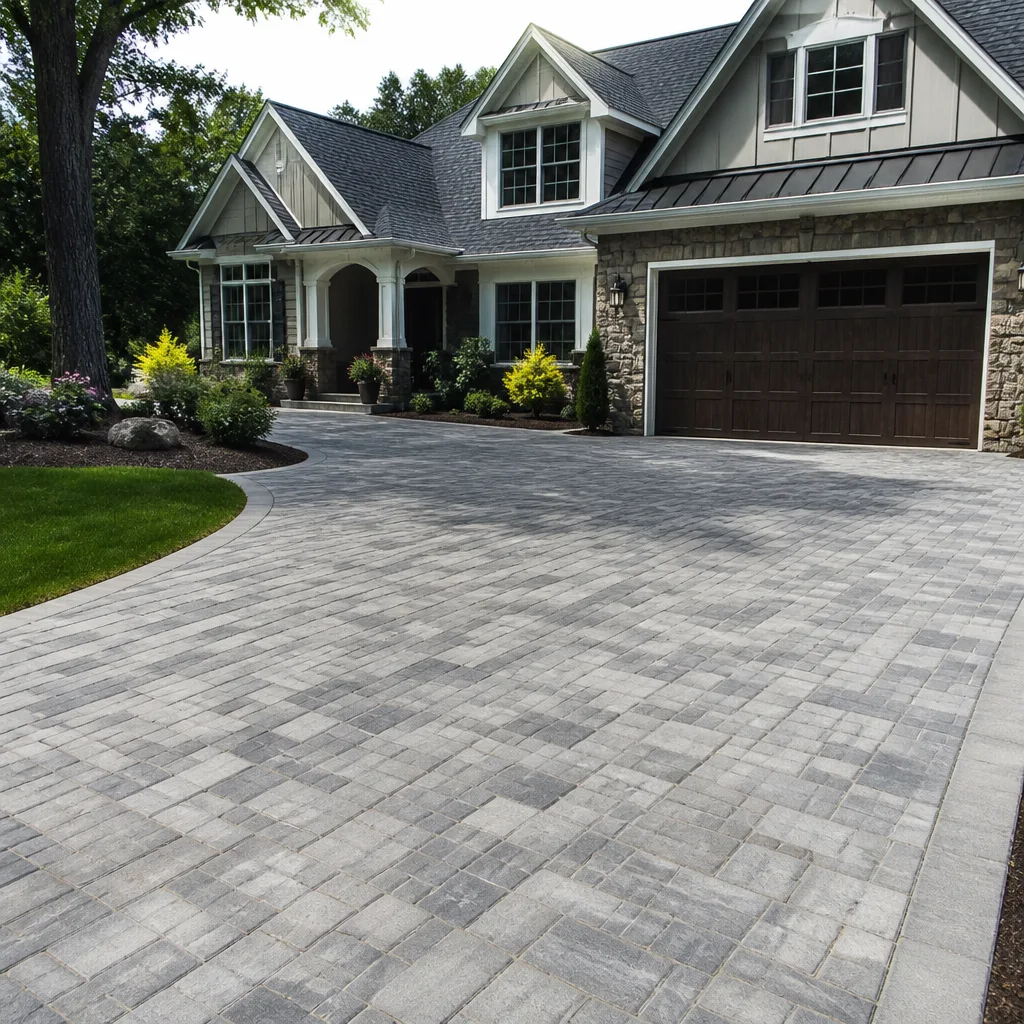 Driveway & pavers
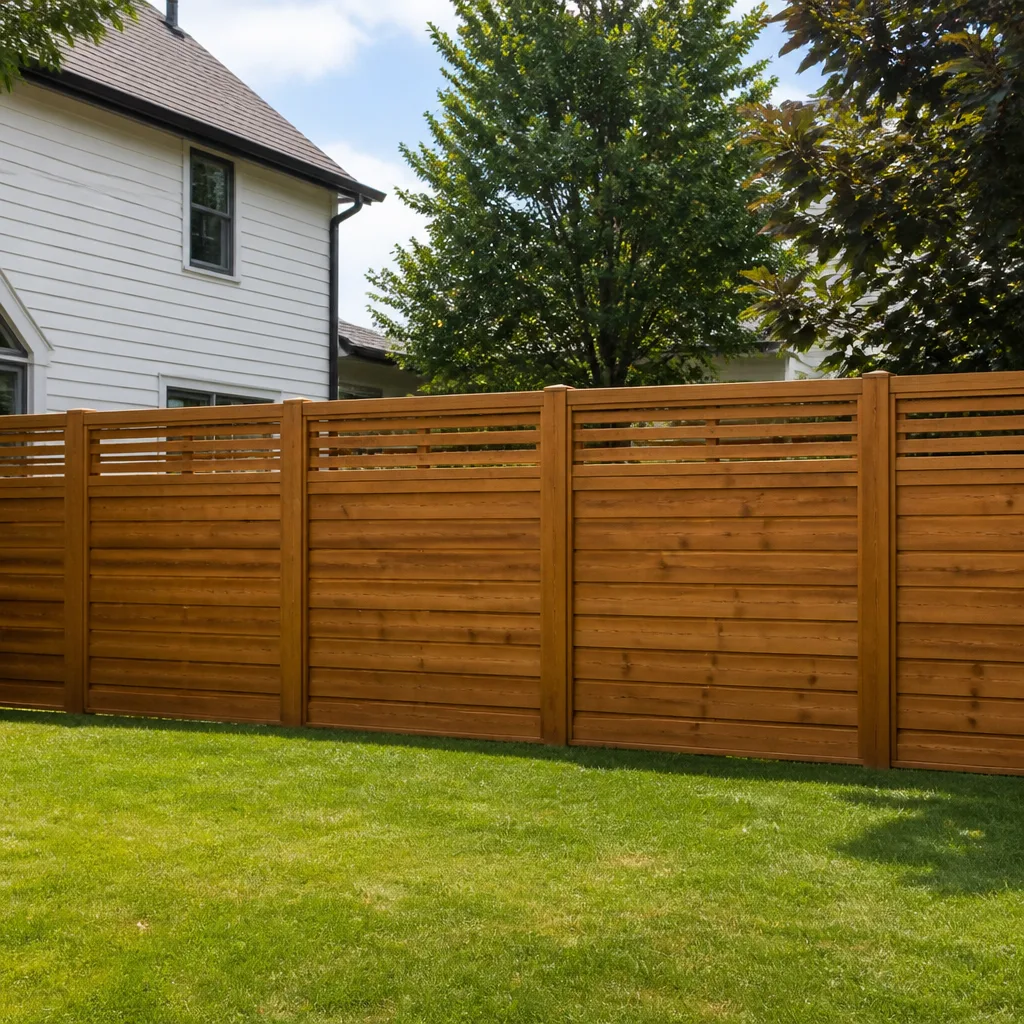 Fence
Free written scope consultation - allowances, timeline, and change-order rules on paper before a single trade is scheduled
Construction Cost Breakdown: The Santa Ana Homeowner’s Reference for 2026
Ask five Santa Ana contractors to price the same kitchen remodel and you’ll get five numbers that may not even overlap. The spread is not random, and it’s rarely about honesty. It’s about what each bid assumes before the first hammer swings. A $55,000 bid and a $95,000 bid can both be legitimate for the same 200-square-foot kitchen on a 1950s ranch in Floral Park, because the lower one assumes the pipes behind the cabinets are fine and the higher one budgets to replace them. This guide breaks down where Santa Ana construction money actually goes in 2026, line by line, so you can read a bid the way a general contractor does, and our more guides & resources cover related topics in depth.
Styles & brands we work with
Quick Answer
A full home remodel in Santa Ana runs $150 to $350 per square foot in 2026, with kitchens at $40,000 to $90,000, bathrooms at $25,000 to $55,000, and room additions at $250 to $450 per square foot. The wide ranges come from four variables: labor rates influenced by Los Angeles-adjacent trade pricing, the age and condition of Santa Ana’s housing stock, material allowance choices, and whether you use a single general contractor or juggle separate specialty subs.
Table of Contents
- What Santa Ana Labor Actually Costs in 2026
- The Older Housing Stock Factor: Why Pre-1980 Homes Cost More
- Permits and Inspections: Santa Ana’s Real Fee Schedule
- Material Allowances: Reading Between the Lines of a Bid
- The Cost Case for Single-Source Contracting
- A Sample Line-Item Breakdown: Whole-Home Remodel
- How Santa Ana Homeowners Finance Renovations in 2026
- Common Mistakes to Avoid
- When to Call a Professional
- Frequently Asked Questions
- The Bottom Line
What Santa Ana Labor Actually Costs in 2026
Santa Ana sits in a strange spot in the Southern California labor market. We’re twenty minutes from the Port of Long Beach, forty minutes from downtown Los Angeles, and squarely inside the Orange County orbit. That geography means subcontractor rates here run 10% to 15% higher than comparable inland cities like Riverside or Corona, but 5% to 10% lower than coastal cities like Newport Beach or Laguna Beach, where parking logistics and HOA restrictions add friction to every job.
In practical terms, here’s what you’re paying per hour for skilled labor in Santa Ana in 2026:
- Framing carpenters: $65 to $95 per hour, per person. Crews of two to three are standard for remodel-scale work.
- Finish carpenters: $75 to $110 per hour. The premium reflects the precision work of installing custom trim, cabinetry, and built-ins in homes where nothing is square.
- Licensed electricians: $95 to $135 per hour, plus a $150 to $250 service call minimum. Expect a 200-amp panel upgrade to add $3,500 to $6,000 on top of hourly work.
- Licensed plumbers: $90 to $130 per hour. A full repipe of a 1,200-square-foot home runs $6,000 to $12,000 depending on access and fixture count.
- Tile setters: $60 to $90 per hour, with shower surrounds and complex patterns billing at the higher end.
- Painters: $45 to $65 per hour, with union-scale commercial painters pushing higher but residential crews landing here.
What most published cost guides miss is the Los Angeles pull effect. When LA’s construction market heats up, which it has consistently since 2021, experienced crews there command premium rates. Santa Ana contractors compete for those same workers because many tradespeople live in central Orange County and commute north. That means a boom in Hollywood or Downtown LA directly increases your bathroom remodel cost in Santa Ana three months later. It’s a supply chain dynamic no national cost calculator accounts for.
The Older Housing Stock Factor: Why Pre-1980 Homes Cost More
Santa Ana is one of Orange County’s oldest cities. Roughly 60% of our housing stock was built before 1980, with significant clusters of 1920s through 1950s construction in neighborhoods like French Park, Wilshire Square, and Washington Square. Those homes have character. They also have conditions that add 10% to 20% to any remodel budget, and those conditions are rarely itemized in the first round of bids. See our Construction Warning Signs: A Santa Ana Homeowner’s Reference Guide for what to watch for.
Before 1978, residential paint commonly contained lead. Before the mid-1980s, popcorn ceilings and vinyl flooring frequently contained asbestos. Santa Ana’s building department requires testing and remediation protocols when these materials are disturbed. Here’s what that looks like:
- Pre-renovation testing: An asbestos survey of affected materials runs $400 to $800 for a typical single-family home. Lead paint testing adds $300 to $600. These are non-negotiable if you’re pulling permits.
- Asbestos abatement: If positive, expect $3 to $6 per square foot for removal by a licensed abatement contractor before your remodeler can start demolition. A 1,500-square-foot home with asbestos-containing ceiling texture could mean $4,500 to $9,000 before the first wall comes down.
- Lead-safe work practices: If lead paint is present, the EPA’s Renovation, Repair, and Painting (RRP) rule applies. Certified crews use plastic containment, HEPA filtration, and specific cleanup procedures. This typically adds 5% to 8% to labor costs for affected rooms.
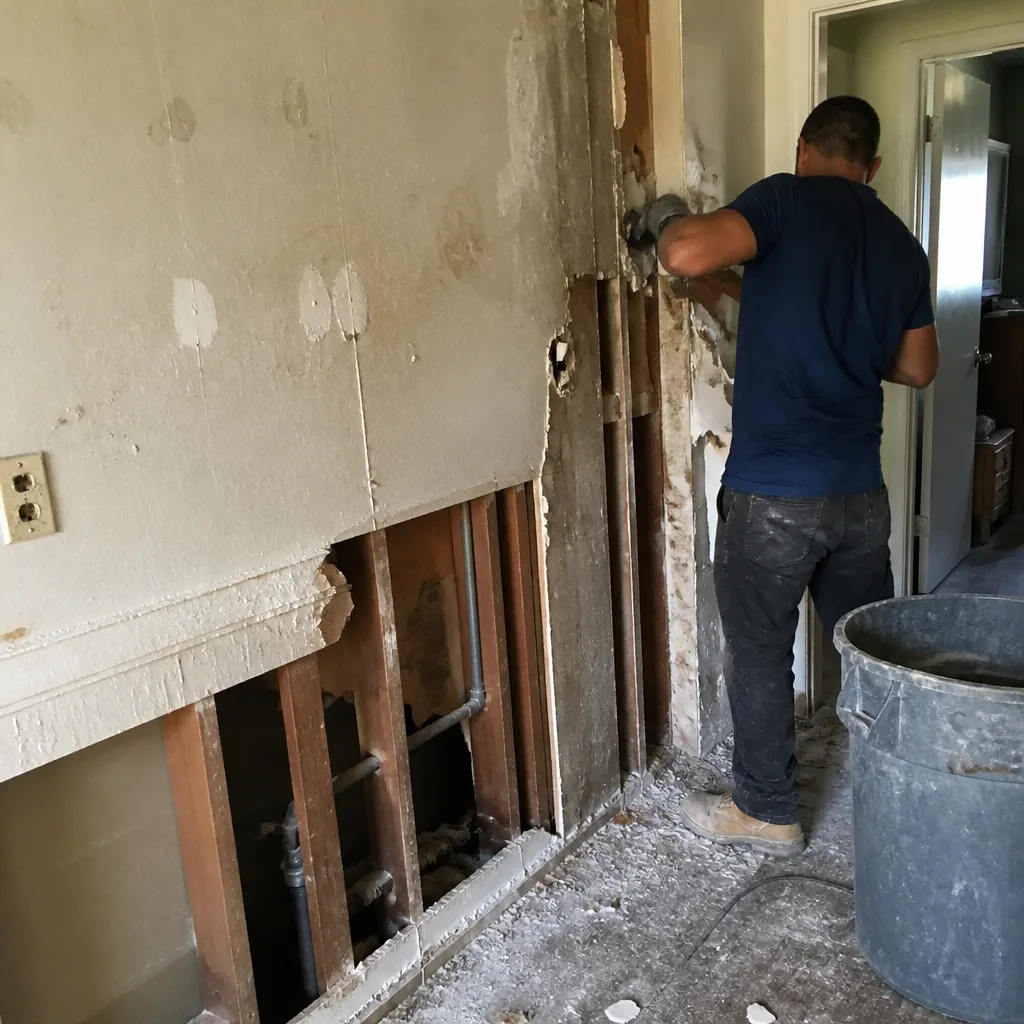
- Undocumented framing conditions: Once walls are open, older Santa Ana homes routinely reveal termite damage, undersized joists, non-code stair stringers, or electrical wiring that was never permitted. A good bid includes a contingency line for these discoveries. A bad bid pretends they won’t happen.
In our experience across hundreds of Santa Ana remodels, we’ve seen the same story in homes from Mid-City to Riverview West: the framing behind the drywall is never as clean as the inspector’s notes from 1962 suggest. Budget for it. A healthy contingency on an older-home remodel is 15% of total project cost, not the 5% you’ll see in a contractor’s standard contract language.
Permits and Inspections: Santa Ana’s Real Fee Schedule
Santa Ana’s Planning and Building Agency processes permits through a hybrid system: simple projects go through online submission, while structural work requires plan review. For a deeper look at requirements, see our Construction Permits, Codes & Inspections in CA: What You Need to Know. The city’s fees are based on project valuation, which means your contractor’s stated project cost directly determines your permit cost. Understating the value to save on fees is a mistake that can invalidate your permit and complicate insurance claims later.
For 2026, here’s what common project types cost in Santa Ana permit and plan check fees, based on typical project valuations:
- Kitchen remodel (no structural changes): $1,800 to $3,200. Includes plan check, building permit, plumbing and electrical permits, and inspections.
- Bathroom remodel (single bathroom): $900 to $1,800. Lower if no plumbing relocations, higher if you’re moving a shower valve or toilet flange.
- Room addition (400 square feet): $4,000 to $7,500. Plan check for structural work adds $1,500 to $2,500 on top of the building permit itself.
- Roof replacement (like-for-like shingles): $400 to $800. This is one of the cheapest permits in Santa Ana. Add $500 to $1,000 for structural plan check if you’re changing roofing material weight class.
- Full home rewire: $1,200 to $2,500 in electrical permits, plus $800 to $1,400 for plan check.
- ADU construction (prefab or site-built): $6,000 to $12,000 depending on size, site conditions, and utility connection requirements.
Santa Ana also charges separate school district fees for residential additions over 500 square feet, and sewer connection fees apply if you’re adding a bathroom where one didn’t exist. These hidden line items catch first-time homeowners off guard. We see them regularly on projects near Santa Ana College where older homes gain bedrooms without corresponding bathroom capacity.
Material Allowances: Reading Between the Lines of a Bid
A material allowance is the dollar amount a contractor sets aside in the bid for a category of finishes you haven’t selected yet. It’s also where two bids for the same project can diverge by $20,000 without either contractor cheating you. The lower bid might allow $3 per square foot for tile. The higher bid might allow $12. Both are “tile included.” You won’t know the difference until you’re standing in a showroom and the contractor tells you anything above $3 comes out of your pocket as a change order.
Here’s what realistic material allowances look like at Santa Ana supplier pricing in 2026, for mid-tier and premium selections:
- Floor tile: $4 to $8 per square foot buys quality porcelain from major importers with good shade consistency. Below $3, you’re looking at big-box closeouts with dye-lot variance. Premium natural stone starts at $12.
- Kitchen cabinetry: $200 to $400 per linear foot gets you solid plywood boxes and soft-close hardware from brands like KraftMaid or Wellborn. Stock cabinetry from home centers runs $80 to $150 per linear foot but trades durability for price. Custom cabinetry starts at $600 per linear foot and goes up quickly.
- Quartz countertops: $70 to $120 per square foot installed for brands like Cambria or Caesarstone. Lower-tier quartz runs $45 to $60 but with less consistent veining. Natural stone varies wildly: marble from $80, quartzite from $120 up.
- Plumbing fixtures: A complete mid-range bathroom fixture package from Kohler, Moen, or Delta runs $1,200 to $2,500. Premium lines from Grohe or Toto start at $3,500 and can exceed $10,000 for a single bathroom with a wall-hung toilet and thermostatic shower system.
- Windows: Dual-pane vinyl replacement windows run $500 to $900 per opening installed. Premium fiberglass or impact-rated windows from PGT or CGI run $1,500 to $3,000 per opening. A whole-house window project on a three-bedroom Santa Ana ranch is realistically $18,000 to $35,000.
When a bid seems too cheap, ask one question: “What are the material allowances per category?” A contractor who can’t answer that question in writing hasn’t actually priced your project. They’ve guessed.
The Cost Case for Single-Source Contracting
There’s a hidden cost in the “hire each subcontractor separately” model that has nothing to do with hourly rates. It’s markup-on-markup. When you hire a general contractor, that GC charges a markup of 15% to 25% on each trade’s work to cover project management, scheduling, liability, and overhead. When you hire a plumber directly, you skip that markup. What you gain, however, is smaller than what you lose when the plumber’s wall opening is two inches too high for the vanity the cabinet installer roughed in, and neither one answers your call because you’re not their long-term client.
A single contractor manages the sequence so that each trade arrives when the previous one is ready, and no one is standing around billing you for wait time. Framework Contractors operates on this model, and the math works out in observable ways. On a whole-home remodel where we handle framing, plumbing, electrical, drywall, tile, cabinetry, roofing, and windows under one contract, we eliminate the coordination charges that appear as “mobilization fees” and “job site management” line items when each trade bills independently. One contract. One accountable party. From the roof down to the foundation.
The window and door side of this equation is instructive. A homeowner replacing windows and a sliding door through a window specialist gets one warranty relationship. Add the same project as a line item in a larger home remodeling scope, and the window install coordinates with stucco repair, interior trim, and drywall patching automatically. No finger-pointing. No “you need to call the window guy” when a leak appears at the sill three years later. The same logic extends to home renovation work that touches multiple systems simultaneously.
A Sample Line-Item Breakdown: Whole-Home Remodel
Numbers are more useful than percentages. Here’s a real line-item breakdown for a 1,400-square-foot, three-bedroom, two-bath home in Santa Ana’s Mabury Park neighborhood, priced assuming a 1950s ranch with original plumbing and electrical, undergoing a whole-home interior remodel with no footprint changes:
- Demolition and hauling: $8,000 to $12,000. Includes dumpster fees, labor, and Santa Ana’s construction debris disposal rates.
- Framing and structural repairs: $5,000 to $15,000. Wide range because termite repair and header replacements depend on existing conditions.
- Rough plumbing (repipe all supply and drain lines): $9,000 to $14,000. PEX repipe with new fixture shutoffs.
- Rough electrical (rewire, 200-amp panel upgrade): $12,000 to $18,000. Includes AFCI breakers required by current code.
- Drywall (hang, tape, texture): $10,000 to $14,000. Includes level 4 finish on all walls and ceilings.
- Insulation (R-15 walls, R-38 attic): $4,000 to $6,000. Title 24 compliance in Santa Ana’s climate zone 8.
- Flooring (engineered hardwood, 1,100 SF): $12,000 to $20,000. Mid-tier product with install.
- Kitchen (cabinetry, counters, fixtures, appliances): $35,000 to $65,000. Cabinets from KraftMaid or Wellborn, counters from Cambria or Caesarstone, fixtures from Kohler or Moen.
- Bathrooms (two full, mid-tier finishes): $40,000 to $60,000 total. Includes tile surrounds, vanities, fixtures, and glass shower enclosures.
- Paint (interior, all walls and trim): $7,000 to $10,000. Includes primer and two coats.
- HVAC (new ducts, furnace, condenser): $18,000 to $25,000. Heat pump systems are becoming standard in Santa Ana under 2026 efficiency requirements.
- Roof replacement (composition shingle): $12,000 to $18,000. GAF or Owens Corning architectural shingles on a 1,400 SF footprint.
- Windows (12 openings, dual-pane vinyl): $14,000 to $22,000. Mid-tier product from a manufacturer like ECO Window Systems.
That puts the total at $186,000 to $299,000, or $133 to $213 per square foot. A home with newer plumbing and electrical would drop toward the low end. A home with asbestos or lead remediation requirements would push past the high end. This is not a guide number. It’s a reference so you can compare your own bids against something concrete.
How Santa Ana Homeowners Finance Renovations in 2026
Most Santa Ana remodels in this price range are not paid for in cash. The dominant financing structures have shifted since 2022, when refinancing at 3% made cash-out refinancing attractive. In 2026, with mortgage rates holding between 5.5% and 7%, the smarter money is moving into these four options:
- HELOC (Home Equity Line of Credit): Interest rates are typically prime minus 0.5% to prime plus 2%, meaning 7% to 9.5% in early 2026. Draw periods of 10 years give flexibility for multi-phase remodels. Most Santa Ana homeowners with 30%+ equity can qualify.
- Fixed-rate home equity loan: Slightly higher rates than HELOCs but predictable payments. Good for single-contract, single-phase projects where you know the total cost upfront.
- Contractor financing programs: Some general contractors offer financing through third-party lenders like Greensky or EnerBank. Rates typically run 8% to 14% depending on credit. Convenience is the main draw, not rate.
- 401(k) loan: Borrowing against retirement savings at prime plus 1%, with the interest paid back to yourself. It avoids credit checks but reduces retirement compounding during the repayment period. Use cautiously and only for high-return projects like kitchens and bathrooms.
Santa Ana’s property values have appreciated roughly 25% since 2020, which means many long-time homeowners are sitting on significant equity without realizing it. A home purchased for $550,000 in 2019 may appraise at $750,000 or more in 2026, creating a $200,000 credit line that makes a whole-home remodel feasible without touching savings.
Common Mistakes to Avoid
- Accepting the lowest bid without reading allowances. A Santa Ana kitchen bid at $38,000 that allows $150 per linear foot for cabinets and $2 per square foot for tile is actually more expensive than a $52,000 bid with realistic allowances, because the change orders will push the final number past the higher bid anyway.
- Skipping the asbestos and lead testing. Testing costs under $1,000. Getting caught without it during inspection can trigger stop-work orders, fines, and a six-figure abatement bill after the fact.
- Choosing materials based on online photos. Showroom lighting is not your kitchen lighting. Quartz that looks stunning under a 5000K showroom fixture can look completely different in a south-facing Santa Ana kitchen with warm afternoon light. View slabs in person.
- Ignoring the contingency line. An older Santa Ana home without a 15% contingency budget is a project you’re hoping to finish exactly as bid. That rarely happens. Budget for what’s behind the walls.
- Pulling permits yourself to save money. It works until it doesn’t. When the inspector asks a question about a framing detail, a homeowner who can’t answer gets a red tag. A contractor who’s been through Santa Ana’s inspection process dozens of times gets approval.
- Not verifying contractor licensing before signing. California’s Contractors State License Board database is free to search. A handyman with no license can legally do work under $500 in labor and materials. Anything above that, and an unlicensed contractor means no workers’ comp coverage and no recourse through the CSLB if something goes wrong.
- Over-improving for the neighborhood. A $150,000 kitchen in a $650,000 home makes sense in Floral Park. It makes less sense in a neighborhood where comparable homes sell for $550,000. Build to your street, not to a magazine.
When to Call a Professional
Some scopes of work are genuinely dangerous for a determined homeowner. Roofing on a two-story Santa Ana home with a 6/12 pitch is not a weekend project. Electrical panel work kills people. Structural framing changes to load-bearing walls require engineering, and doing it wrong compromises the entire house. When your project touches plumbing, electrical, structural framing, roofing, or any work requiring a Santa Ana building permit, hire a licensed contractor. Our Construction Emergency Preparedness Guide for Santa Ana Homes explains why professional oversight matters for safety. The liability difference between a professional and a homeowner with a YouTube education is the difference between an insurance claim being paid or denied.
Framework Contractors offers free estimates in Santa Ana. Call (844) 681-3590 to schedule a walkthrough, or learn more about what a General Contractor in Costa Mesa handles on a similar project to get a sense of scope before you commit.
Frequently Asked Questions
A mid-range kitchen remodel in Santa Ana runs $40,000 to $65,000, with premium projects reaching $90,000 or more. Labor accounts for roughly 40% of the total, materials 45%, and permits, design, and project management the remaining 15%. Older homes with plumbing or electrical updates required push toward the higher end. Call (844) 681-3590 for an exact quote on your specific kitchen.
Expect $133 to $213 per square foot for a whole-home remodel in Santa Ana, depending on existing conditions and material choices. This is lower than coastal Orange County cities and higher than inland Riverside County. The biggest variables are the age of your home and whether you’re changing the footprint or working within existing walls.
A full interior remodel on a 1,400-square-foot home takes 4 to 6 months from permit approval to final inspection. Santa Ana’s plan check process adds 3 to 6 weeks before construction starts, and inspection scheduling adds another 2 to 3 weeks across the project. Footprint-changed additions extend the timeline to 6 to 9 months.
Yes, if you’re changing plumbing locations, moving a fixture, or altering electrical circuits. A like-for-like fixture swap with no plumbing relocation generally does not require a permit. When in doubt, call Santa Ana’s Planning and Building Agency or have your contractor verify before work begins.
Bids vary because contractors make different assumptions about demolition scope, existing conditions, material allowances, and contingency. The spread in Santa Ana is wider than in newer cities because our housing stock ranges from 1920s bungalows to 2000s tract homes, and two homes on the same street can have completely different structural realities behind the drywall.
On paper, yes. In practice, rarely. A general contractor’s markup buys scheduling coordination, quality control, liability coverage, and sequencing that prevents expensive rework. Homeowners who manage their own subs typically save 10% to 15% but spend 200 to 300 hours managing the project and absorb the cost of mistakes no single sub will claim responsibility for.
The Bottom Line
Santa Ana construction costs in 2026 reflect a specific set of local realities: an old housing stock that hides conditions no bid can predict, a labor market pulled upward by Los Angeles pricing, a city building department with structured but significant permit fees, and a material supply chain where allowance choices make or break your budget. The homeowner who reads bids line by line, verifies allowances, budgets honestly for unknowns, and hires a contractor who can speak to every system in the home is the homeowner who finishes on budget. The homeowner who compares only bottom-line numbers is the one who discovers what “allowance” really means six weeks into demolition.
Written by the team at Framework Contractors, serving Santa Ana since 2015. We’re a licensed general contractor handling kitchens, bathrooms, roofing, windows, doors, hardscape, and ADU construction under one contract. One contractor. Every system. Visit the Framework Contractors home page to explore our full scope of work, or call (844) 681-3590 for a free estimate on your Santa Ana project.
See the difference
 Before
 After
 Before
 After
 Before
 After