

Last updated October 31, 2026
 Home additions & ADU
 Kitchen remodeling
 Bathroom remodeling
 Roofing
 Windows & doors
 Driveway & pavers
 Fence
Free written scope consultation - allowances, timeline, and change-order rules on paper before a single trade is scheduled
Construction Warning Signs: A Santa Ana Homeowner’s Reference Guide
A hairline crack in stucco is the most misread warning sign in Santa Ana homes. It is either cosmetic shrinkage from normal curing or the beginning of water intrusion that will rot the framing behind it. The difference between those two outcomes costs homeowners anywhere from $200 to $20,000, and almost nobody explains how to tell them apart until the damage is already done. This guide goes deeper than the standard foundation-crack and roof-leak checklist. It covers the early-stage signals specific to Santa Ana’s housing stock: three-coat stucco over wood frame, concrete tile roofs, flat rolled roofing, slab foundations, and electrical panels installed before 1980. You will learn what to look for, what it means, and when to act.
Styles & brands we work with
Quick Answer
Construction warning signs in Santa Ana homes fall into five categories: stucco cracking patterns, roof flashing deterioration, slab-foundation moisture signals, pre-1980 electrical panel risks, and multi-trade system failures where HVAC, roofing, and framing interact. For a deeper look at how these systems interact and when to call in help, see our General Contractor Troubleshooting: Common Problems and How to Fix Them. The most urgent signs are diagonal stucco cracks wider than 1/8 inch, lifted or corroded roof flashing, efflorescence or soft flooring on slab foundations, Zinsco or Federal Pacific electrical panels, and water stains where roof valleys meet walls. Any of these warrants a professional inspection within 30 days; several warrant immediate action.
Table of Contents
- How to Read Stucco Cracks in Santa Ana Homes
- Roof Warning Signs Specific to Concrete Tile and Flat Rolled Roofing
- Interior Moisture Signals in Slab-Foundation Homes
- Electrical Panel and Wiring Red Flags in Pre-1980 Homes
- Why Multi-Trade Warning Signs Get Missed
- How Santa Ana’s Microclimates Change What You See
- When Warning Signs Appear: Seasonal Timing in Santa Ana
- Common Mistakes to Avoid
- When to Call a Professional
- Frequently Asked Questions
- The Bottom Line
How to Read Stucco Cracks in Santa Ana Homes
Santa Ana’s housing stock skews heavily toward stucco exteriors, and the city has two dominant systems: traditional three-coat stucco on homes built before roughly 1990, and one-coat stucco on many homes built after. They crack differently, and the meaning of a crack changes with the system, the direction, and the width. Here is what we have learned from inspecting hundreds of Santa Ana exteriors.
Hairline cracks under 1/16 inch running vertically or in a spiderweb pattern are almost always cosmetic. Three-coat stucco shrinks as it cures, and a home in Santa Ana’s dry climate will show shrinkage cracks within the first five years. They are static, they do not widen seasonally, and they are not a structural concern. You can monitor them annually.
Cracks between 1/16 and 1/8 inch running diagonally from window corners or door corners deserve attention. These are stress cracks. On an older Santa Ana home, they often trace to minor settling or to thermal expansion cycles. They become a problem when they widen after rain or when the edges start to spall. Water entering a diagonal crack can sit against the moisture barrier and the framing, and in Santa Ana’s mild winters, that moisture takes weeks to dry out. That is where rot and mold begin.
Cracks wider than 1/8 inch, especially if one side of the crack is offset from the other, are structural until proven otherwise. We have seen this pattern in the Washington Square and Willard neighborhoods where older slab foundations have shifted. A structural crack does not fix itself, and caulking it is worse than doing nothing because it traps moisture behind the patch.
What to check, step by step:
- Measure the crack width with a quarter. A quarter is 1/16 inch thick. If the crack is thinner than the quarter, it is cosmetic unless it is actively leaking.
- Run a credit card along the crack. If the card catches on a raised edge, the two sides have shifted relative to each other. That is movement, not shrinkage.
- Check the crack after a Santa Ana rain event. If it is wider or if you see dark staining around it, water is entering.
- Look at the interior wall directly behind the crack. If the drywall tape is lifting or you see faint yellow-brown staining, the crack goes through the wall assembly.
One-coat stucco behaves differently. It is thinner and stiffer, so it telegraphs framing movement more readily. On a newer home in the South Coast Metro area, a long horizontal crack in one-coat stucco often means the sheathing seam is separating. That is not a foundation issue, but it is a water-intrusion pathway that needs sealing by someone who understands the system.
We work with homes across every stucco condition you will find in Santa Ana, and the single most common mistake we see is a homeowner caulking a structural crack and calling it fixed. Caulk does not stop movement. It hides the symptom and guarantees a larger repair later.
Roof Warning Signs Specific to Concrete Tile and Flat Rolled Roofing
Santa Ana has two roofing profiles that dominate the city: concrete tile on pitched roofs, common in neighborhoods like Floral Park and Park Santiago, and flat or low-slope rolled roofing on mid-century and ranch-style homes across the central and western parts of the city. The warning signs for each are different, and the earliest signs are almost never a leak you can see from inside.
Concrete tile roofs. The tiles themselves rarely fail. Concrete tile can last 50 years or more in Santa Ana’s climate, which is mild on roofing compared to inland heat. What fails is everything underneath and around the tile: the underlayment, the flashing, and the battens. Here is what compromised flashing looks like before a leak appears:
- Lifted or curling flashing at roof-to-wall junctions. When flashing lifts even a quarter inch, wind-driven rain from a Santa Ana winter storm can push water sideways into the wall cavity. You will see the lift from the ground with a pair of binoculars.
- Corroded flashing at chimney bases and plumbing vent pipes. White, chalky residue on metal flashing is galvanic corrosion. Once the zinc coating is gone, the steel underneath rusts through in five to ten years. Chimney flashing is the single most common leak point on tile roofs in Santa Ana, and it is almost always corrosion, not installation error.
- Displaced or slipped tiles. A single slipped tile exposes the underlayment below. If the underlayment is original to a home built in the 1970s or 1980s, it is likely organic felt that has been drying out for decades. One exposed spot can let water through the felt and into the decking.
- Dark staining on the underside of the eave where the roof meets the exterior wall. This means water is traveling under the tile and over the flashing instead of into the gutter. The leak is already happening; it just has not reached the ceiling yet.
Flat rolled roofing. Flat roofs are the highest-risk roofing system in Santa Ana because they depend entirely on proper slope and seam integrity. A flat roof in Santa Ana is never actually flat; it slopes a minimum of quarter-inch per foot toward a scupper or drain. When that slope is compromised, or when seams start to fail, the warning signs are:
- Ponding water that remains 48 hours after rain. Ponding means the roof has a low spot, and that low spot is where the membrane will fail first. UV exposure in Santa Ana’s sun degrades the membrane faster where water sits, because the water magnifies the UV effect.
- Alligatoring, or a checked, cracked surface pattern on the rolled material. This is advanced UV degradation. It does not leak yet, but it is one hot summer away from splitting.
- Lifted seams where sheets of rolled roofing overlap. The adhesive and heat-welds at seams are the weak point. When a seam lifts, it is a direct water entry point.
- Blisters or bubbles in the membrane. These form when moisture is trapped under the membrane and expands in the heat. A blister that pops becomes an open hole.
In our experience, flat roof problems on Santa Ana ranch homes are caught too late because homeowners never look at their own roof. A quick check from a ladder twice a year, after winter rains and after the summer heat, will catch every warning sign above before it becomes an interior leak.
Interior Moisture Signals in Slab-Foundation Homes
A large share of Santa Ana’s homes are built on slab foundations. There is no crawlspace to inspect, which means sub-slab plumbing problems announce themselves through the floor, the walls, and the air inside the home. The earliest signals are subtle, and they are routinely dismissed as cleaning issues or pet accidents. They are not.
Efflorescence patterns on interior concrete. If you have exposed concrete floors, a garage floor, or a concrete baseboard area, look for a white, powdery residue that forms in a line or patch. Efflorescence is salt left behind when water travels through concrete and evaporates. It is a direct indicator that moisture is moving through the slab. In a Santa Ana slab home, the usual source is a pinhole leak in a copper supply line under the slab, or rising groundwater in low-lying neighborhoods after a wet winter.
Soft flooring over a concrete slab. Engineered wood, laminate, and vinyl plank will soften, bubble, or cup when the slab below is wet. Carpet will develop a musty odor that returns days after cleaning. If the softening or odor is confined to one room or one corner, and there is no bathroom or kitchen above it, the moisture is coming from below. That is a sub-slab plumbing issue until proven otherwise.
Baseboard discoloration with no corresponding wall stain. Water from a sub-slab leak wicks up through the slab edge and into the wall baseplate. The baseboard will darken or warp at the bottom while the wall above stays dry. This pattern is different from a roof or window leak, which stains from the top down. Bottom-up staining means the water source is at or below floor level.
What the progression looks like, in order:
- First, a persistent musty or earthy smell in one area of the house that does not go away with cleaning.
- Second, slight cupping or lifting at the edges of flooring planks.
- Third, a visible wet spot or darkening of the concrete at the flooring edge.
- Fourth, efflorescence or mineral deposits at the slab edge.
- Fifth, visible water or active bubbling at the slab surface.
By stage five, the leak has been active for months and the repair involves flooring removal, slab cutting, pipe repair, and concrete restoration. Catching the smell at stage one is the difference between a plumbing repair and a full floor replacement.
Electrical Panel and Wiring Red Flags in Pre-1980 Homes
Santa Ana has thousands of homes built between 1950 and 1980, and many of them still have the original electrical panels. Two brand names from that era are genuinely dangerous and should trigger immediate replacement planning: Federal Pacific Electric (FPE) and Zinsco. This is not a scare tactic. Both panel types have documented failure rates where breakers do not trip under overload, and a breaker that does not trip turns a circuit overload into a fire inside the wall.
How to identify a Federal Pacific panel without opening it:
- Look at the panel door. FPE panels typically have a red or black breaker handle with the letters “Federal Pacific” or “FPE” printed on the inside of the door or on the breakers themselves.
- The panel is usually a flush-mounted gray box with “Stab-Lok” printed on the breaker, which is the FPE breaker design.
- Homes built between 1950 and 1980 are the highest-risk population. If the home has not had an electrical service upgrade since construction, assume the panel is original.
How to identify a Zinsco panel:
- Zinsco breakers are thin, and the panel often has a split-bus design: two to four large breakers at the top and thin branch breakers below.
- The brand name “Zinsco” or “Sylvania” or “GTE Sylvania” is printed on the panel label. Zinsco was sold under those names at different times.
- The breakers have a distinctive colored handle strip, often blue, red, or green, that runs across the top of the breaker face.
Other pre-1980 electrical red flags:
- Aluminum branch wiring. Homes built between 1965 and 1973 are the prime aluminum wiring years. Aluminum expands and contracts more than copper, which loosens connections over time and creates arcing at outlets and switches. The wire jacket is usually marked “AL” or “ALUMINUM.”
- Two-prong outlets throughout the home. This means no ground conductor, which also means no GFCI protection on circuits that need it: kitchen, bath, garage, exterior.
- Fabric-covered or rubber-insulated wiring visible in the attic. Pre-1950 wiring insulation degrades with age and heat. If you see crumbling insulation around attic wiring, do not touch it and do not ignore it.
Replacing a Federal Pacific or Zinsco panel in Santa Ana is a permit-required job. The city requires the work to be done by a licensed electrical contractor, and the panel replacement usually includes a service upgrade to the modern 200-amp standard. The cost is real, but a panel that does not trip when it should is a risk that cannot be postponed.
Why Multi-Trade Warning Signs Get Missed
Here is a scenario we see repeatedly in Santa Ana. A homeowner calls a roofer because there is a water stain on the ceiling. The roofer finds a small flashing issue, fixes it, and the stain dries. Six months later the stain is back. It was never the roof. It was the HVAC condensate line or an attic plumbing line, and the water was traveling along the ceiling joist and emerging at the same point. Single-trade inspections miss these because each trade only looks at its own system.
Multi-trade warning signs are patterns that cross systems, and they require a general contractor’s eye to interpret correctly. Here are the most common ones in Santa Ana homes:
- A water stain directly below a bathroom but also below the HVAC supply vent. The source could be the toilet wax ring, the shower pan, the roof flashing above, or the AC condensate line in the attic. A plumber checks the plumbing, a roofer checks the roof, and the AC tech checks the drain line. Each one may say “not my system.” The answer is to have one person who understands all four systems trace the water path from origin to stain.
- Cracks in drywall at ceiling corners combined with doors that stick seasonally. This can be normal settlement, but it can also be a roof structure issue where a sagging rafter or failed truss connection is transferring load into the wall framing. A drywall contractor sees the crack and patches it. The patch fails within a year because the root cause is in the attic structure.
- Mold on the ceiling near a recessed light fixture in a room below the attic. The fixture is the leak point: attic moisture or a roof leak travels through the can housing, and the warm fixture pulls that moisture into the ceiling. The fix is not the fixture; it is the attic ventilation or the roof leak above.
- Exterior stucco cracking near a window combined with interior condensation on the same window. The window flashing is failing, and the condensation is the humidity from the water entering the wall cavity. A window company might replace the window. A stucco contractor might patch the crack. Neither fixes the flashing detail that connects them.
This is the core argument for using a general contractor for warning-sign investigations. Where a roofer looks at the roof and a plumber looks at the drain, a GC looks at the house as one connected system. When we investigate a warning sign in a Santa Ana home, we trace it from the first visible symptom back through every system that could produce it, and we do not stop at the first plausible answer.
How Santa Ana’s Microclimates Change What You See
Santa Ana is not one climate. The city spans neighborhoods with meaningfully different exposures, and the warning signs you see in one part of town are not always the same as what you see in another. Understanding your microclimate helps you know which signs to prioritize.
Central and western Santa Ana, including the downtown core and the neighborhoods around Santa Ana Boulevard, sit on older, denser lots with mature trees. Tree roots are a constant pressure on slab foundations and underground plumbing in these neighborhoods. If you have a mature ficus or magnolia within 20 feet of the foundation, sub-slab pipe movement is a real risk, and the first sign is usually a slow, unexplained increase in your water bill before any visible flooring change.
Northern Santa Ana, toward the Santiago Creek corridor and the areas near the 5 and 57 freeways, has more clay-heavy soil pockets. Clay expands and contracts with moisture, and the seasonal swing is enough to open and close hairline stucco cracks. If a crack in this area opens after rain and closes during dry months, it is soil movement, not structural failure. That does not mean ignore it; it means monitor it and act if the crack stops closing.
Homes near the 55 freeway corridor get a steady dose of vibration and airborne particulates. Exterior paint and stucco coatings wear faster, and flashing at roof edges accumulates more debris. A roof valley near a freeway collects exhaust particulate that holds moisture against the metal, accelerating corrosion. Check flashing on freeway-side roof edges twice as often as you would elsewhere.
The point is that a warning sign is not read in isolation. The same hairline stucco crack means something different on a clay-soil lot in northern Santa Ana than it does on a sandy-soil lot near the city center. Context changes the diagnosis, and a guide that ignores context is guessing.
When Warning Signs Appear: Seasonal Timing in Santa Ana
Santa Ana’s climate is mild, but it has a distinct seasonal rhythm that drives when warning signs become visible. Knowing what to look for in which season helps you catch problems at their earliest appearance.
Winter, after the first heavy rain. This is when roof flashing failures, stucco water intrusion, and window leaks announce themselves. The first Santa Ana rain of winter is a diagnostic event. Walk the house within 48 hours of a heavy rain and look for darkening stucco, water at window sills, and any ceiling discoloration. Every leak your home has will reveal itself in that window.
Spring, as the soil dries. Slab foundation movement is most visible now. The soil contracts as it dries, and stress cracks open wider. This is the best time to measure and photograph stucco cracks and to check for sticking doors or windows. If a crack that opened in winter does not close by late spring, it is not seasonal movement.
Summer, during peak heat. Flat roofs show their worst face in summer. Alligatoring, blisters, and seam separation are heat-driven, and Santa Ana’s summer UV is intense. Check flat roofs in late summer before the first winter rain arrives. An HVAC system working hard in summer also reveals itself through condensate line backups, which produce ceiling stains that look exactly like roof leaks.
Fall, before winter rains. This is the preparation season. Gutter cleaning, flashing inspection, and exterior caulking done now will catch most of what would otherwise become a winter leak. In our experience, homeowners who do a serious exterior walk in October have dramatically fewer emergency calls in January. For seasonal checklists and more guides & resources, visit our blog.
Common Mistakes to Avoid
- Caulking a structural crack. Caulk seals the surface and traps moisture behind it, accelerating rot. If the crack is wider than 1/8 inch or offset, get it evaluated before sealing anything.
- Painting over efflorescence without fixing the moisture source. The white powder will come back through the paint within months, and the sub-slab leak keeps growing while the cosmetic fix hides it.
- Waiting for a visible interior leak before investigating a roof. By the time water shows up on the ceiling, it has already passed through the decking and insulation. The repair is now structural, not just a membrane patch.
- Assuming a flat roof puddle is normal after rain. It is not. Ponding water is a design or settlement failure, and that puddle is the future leak location.
- Ignoring a sticking door because it works “most of the time.” Doors that stick seasonally are showing you foundation or framing movement. It is free information; ignoring it means paying for the same information later at repair scale.
- Calling only the trade that matches the visible symptom. A water stain is not automatically a roof problem. Call someone who can trace the symptom across all the systems that could produce it.
- Deferring electrical panel evaluation because the lights still work. A Federal Pacific or Zinsco panel fails at the moment of overload, not during normal operation. The lights working is not evidence that the panel is safe.
When to Call a Professional
Some warning signs are monitor-and-wait. Others are act-now. Call a professional today if you see a stucco crack wider than 1/8 inch with visible offset, a roof flashing section that is visibly lifted or corroded through, efflorescence or soft flooring on a slab foundation, a Federal Pacific or Zinsco electrical panel, or a water stain that has appeared, been repaired, and come back. If you see water actively entering from any location during rain, that is an immediate call. For anything in this guide you are unsure about, a walkthrough by someone who understands the full home system is the fastest way to a definitive answer. Framework Contractors offers free estimates in Santa Ana. Call (844) 681-3590 and we will assess the warning signs in the context of your entire home, not just the symptom you called about.
Frequently Asked Questions
A stucco crack is serious if it is wider than 1/8 inch, runs diagonally from a door or window corner, or shows offset where one side of the crack is higher than the other. Hairline cracks under 1/16 inch are almost always cosmetic shrinkage. The test is width, direction, and movement over time. If you are unsure, call (844) 681-3590 for a professional assessment; estimates are free.
Costs vary widely by scope. Cosmetic stucco crack repair runs from $200 to $600. Water-intrusion repair that requires opening the wall, replacing framing, and re-stuccoing runs $3,000 to $8,000. Foundation repair runs $10,000 to $20,000 and up depending on the method. The price depends on how early the problem is caught, which is why monitoring matters. For an exact quote on your specific home, call (844) 681-3590.
A flat roof with a single seam failure or a small ponding area can often be repaired by sealing the seam or installing a tapered system to restore drainage. Full replacement is needed when the membrane shows widespread alligatoring, multiple blisters, or seam failures across more than 25% of the roof area. The decision depends on the age and condition of the existing membrane, and a roofing professional should make that call.
Open the panel door and read the label on the inside of the door or on the breakers. If it reads “Federal Pacific,” “FPE,” “Stab-Lok,” “Zinsco,” or “GTE Sylvania,” the panel is a known safety risk. Do not attempt to remove breakers or inspect the inside of the panel. A licensed electrician should handle anything beyond reading the label, and in Santa Ana, panel replacement is a permit-required job.
Walk the exterior and look at the stucco for darkened or saturated patches, check window sills and door thresholds for water, and inspect ceilings for any new discoloration. Go to the attic if accessible and look for drips or wet insulation. The first rain is when every roof flashing and window seal failure reveals itself, and catching it within 48 hours prevents the wall-cavity and ceiling damage that takes weeks of drying to repair.
Most repairs that address the underlying causes of warning signs require permits in Santa Ana: structural repairs, panel replacement and electrical service upgrades, sub-slab plumbing repair, and roof replacement. Cosmetic stucco patching and minor flashing repair may not. The permit protects you because the city inspection verifies the work meets code. A contractor who avoids permits is transferring the risk to you.
The Bottom Line
The warning signs that matter in Santa Ana are the ones you can see before the damage is done. A hairline stucco crack, a lifted roof flashing, a white powder line on the garage floor, a breaker panel with a name you do not recognize. None of these require expertise to spot, only attention. What requires expertise is the interpretation, because the same symptom can mean a $200 cosmetic fix or a $20,000 structural repair depending on the context. Santa Ana’s housing types and microclimates make that context specific, and a guide that ignores it is not serving you. Learn the signs, check seasonally, and when something is ambiguous, call someone who can trace it through the whole home system. General Contractor in Costa Mesa explains how our full-scope approach works across Orange County, and Home Remodeling in Costa Mesa covers what a project looks like when warning signs have become a renovation. For a deeper look at how we handle full-system projects, Home Renovation in Costa Mesa walks through the process. We have been serving Santa Ana homeowners since 2015, and we have seen every warning sign this guide describes. Call (844) 681-3590 for a free estimate on any repair or evaluation you are considering.
Written by the team at Framework Contractors, serving Santa Ana since 2015.
See the difference
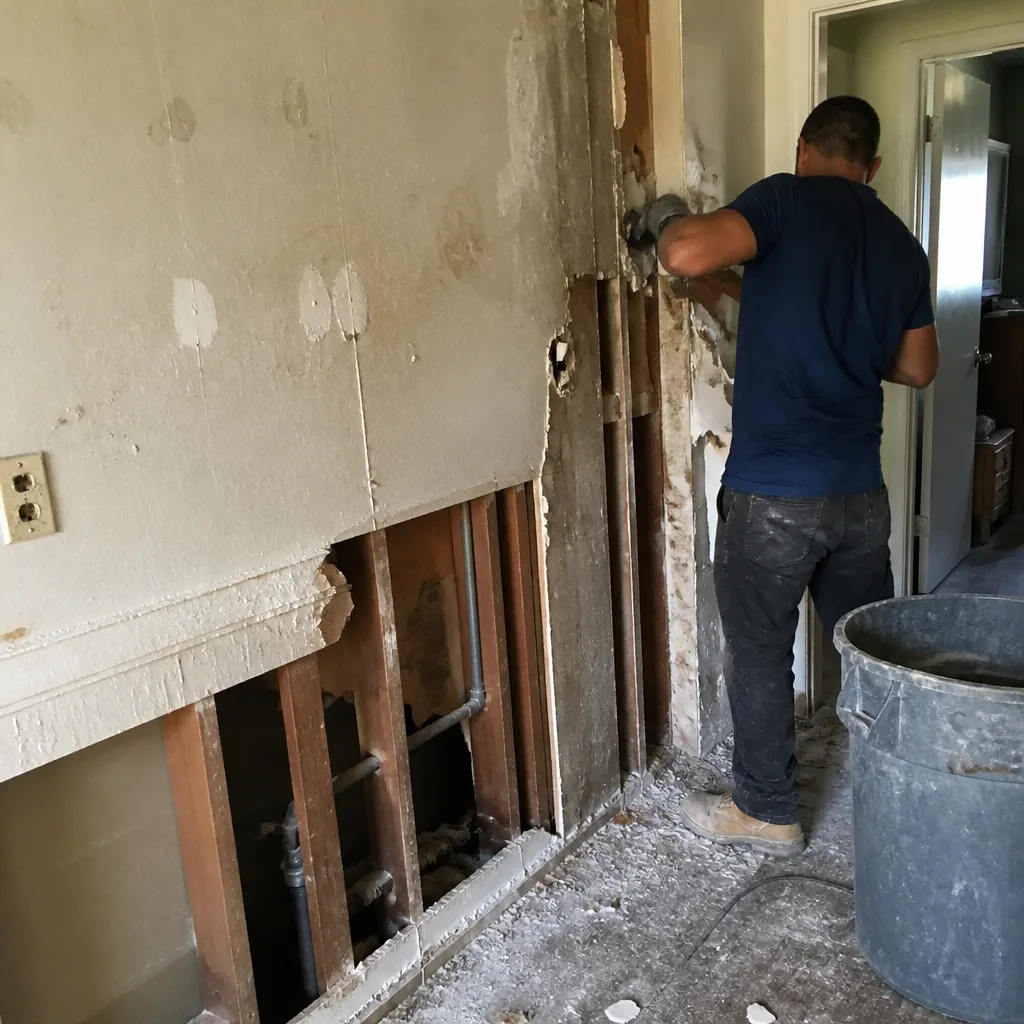 Before
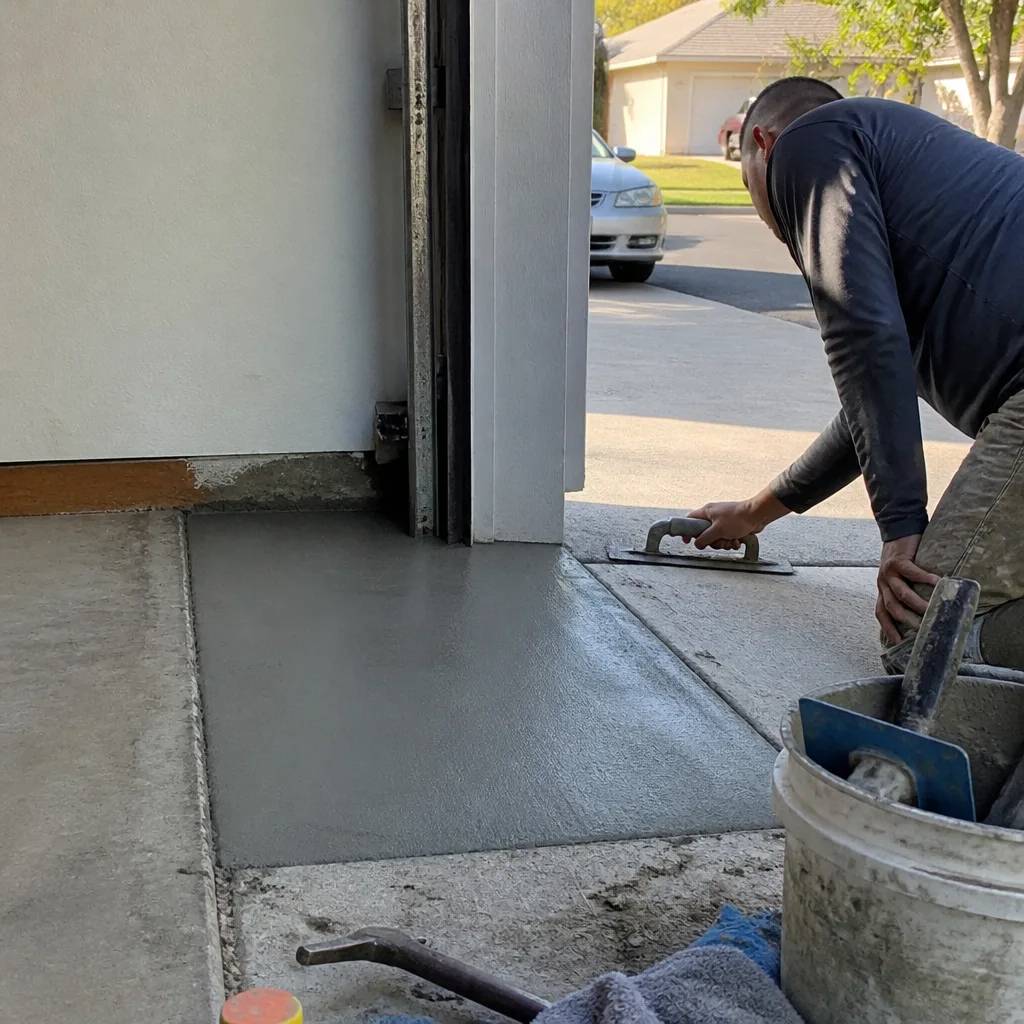 After
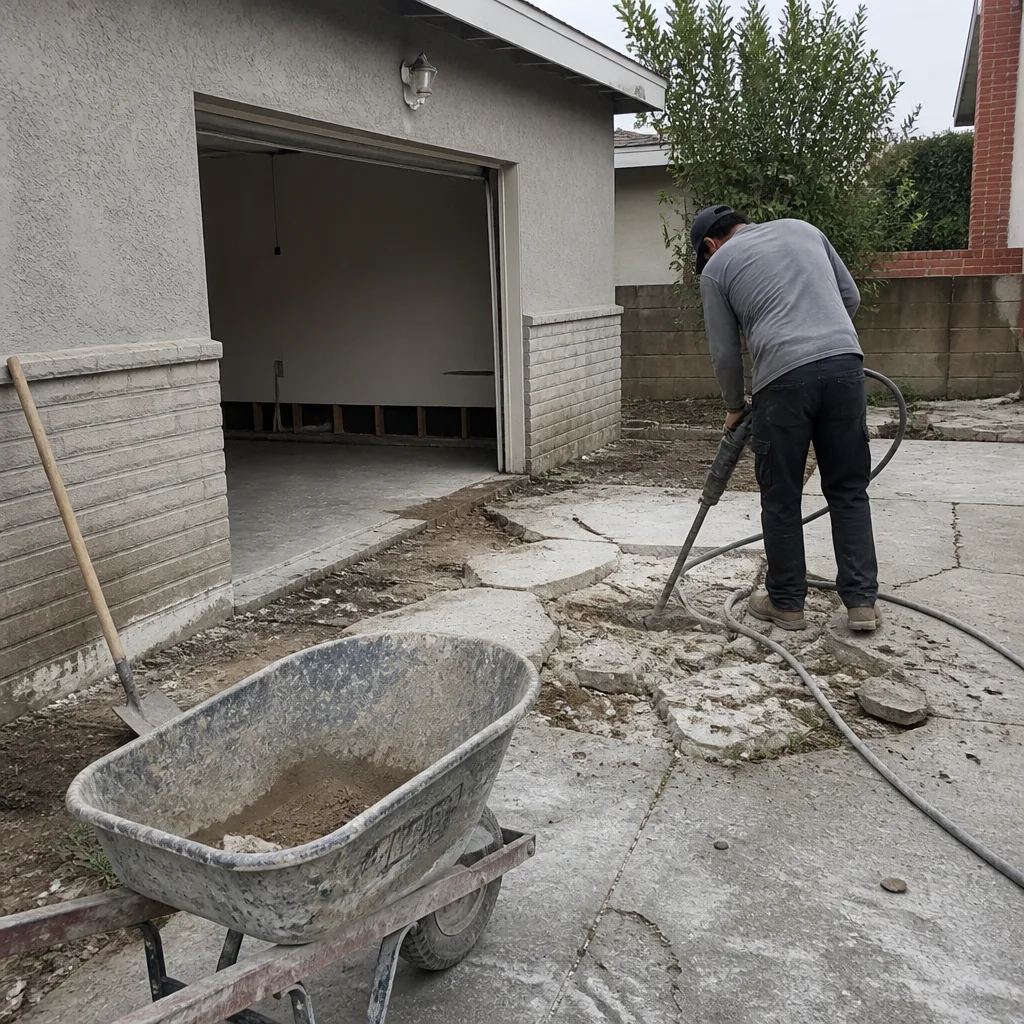 Before
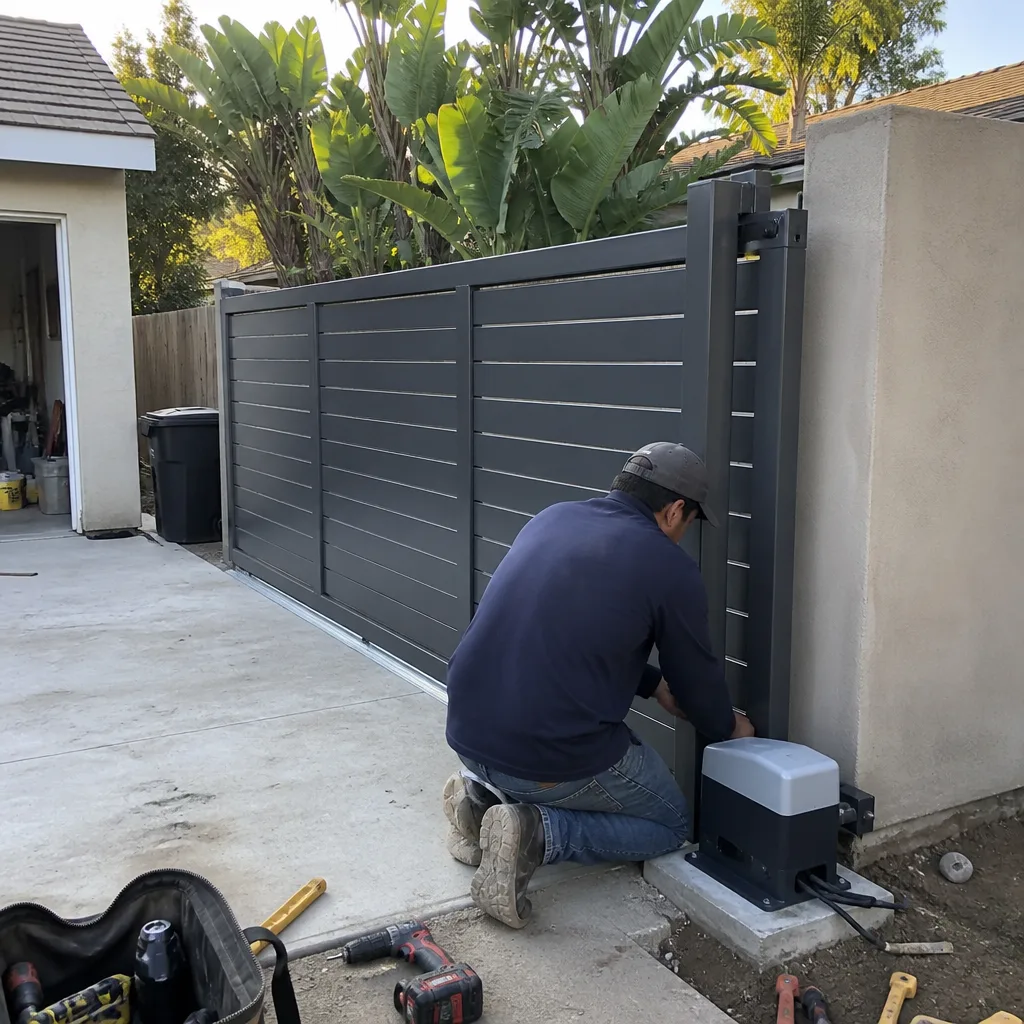 After
 Before
 After