

Last updated October 31, 2026
 Home additions & ADU
 Kitchen remodeling
 Bathroom remodeling
 Roofing
 Windows & doors
 Driveway & pavers
 Fence
Free written scope consultation - allowances, timeline, and change-order rules on paper before a single trade is scheduled
Construction Emergency Preparedness Guide for Santa Ana Homes
The most expensive construction emergencies in Santa Ana aren’t caused by earthquakes. They’re caused by failed plumbing in slab foundations and wind-driven water intrusion during Santa Ana wind events, two scenarios most emergency prep guides don’t mention. This guide covers the emergency threat profile specific to Santa Ana’s housing stock, how to document your home’s systems before trouble starts, where your shut-offs are located, and why having a contractor relationship already in place changes everything when a regional event hits and every crew in Orange County is booked for weeks. For DIY vs Professional Construction: The Santa Ana Homeowner’s Decision Guide, see our related resource.
Quick Answer
Construction emergency preparedness for Santa Ana homes means identifying the actual risks to your specific house: slab foundation plumbing failures, Santa Ana wind damage to roofing and fenestration, aging electrical panels, and seismic events. Prepare by documenting your home’s major systems, knowing your emergency shut-off locations, and establishing a relationship with a full-service general contractor who knows your house before the emergency happens. The goal is reducing response time and preventing secondary damage when the primary failure occurs.
Styles & brands we work with
Table of Contents
- Santa Ana’s Emergency Threat Profile: Ranked by Frequency and Cost
- How to Document Your Home’s Systems Before an Emergency
- Emergency Shut-Off Protocols for Santa Ana Homes
- The First 24 Hours After Construction-Related Damage
- Why a Pre-Existing Contractor Relationship Changes Emergency Response
- Material Selection and Emergency Resilience
- Common Mistakes to Avoid
- When to Call a Professional
- Frequently Asked Questions
Santa Ana’s Emergency Threat Profile: Ranked by Frequency and Cost
When we talk to homeowners in Santa Ana about emergency preparedness, most conversations start with earthquakes. That’s understandable. The seismic risk is real, and the 1933 Long Beach earthquake shaped building codes throughout Southern California. But the data from our field experience across Santa Ana’s neighborhoods paints a different picture of what actually causes construction emergencies here.
Here’s the threat profile ranked by how often we see these failures and what they cost to remediate:
1. Slab Foundation Plumbing Failures
This is the number one construction emergency in Santa Ana, and almost nobody prepares for it. A large portion of the city’s housing stock was built between 1950 and 1980, when copper pipe embedded directly in concrete slab foundations was the standard. Copper in contact with concrete corrodes over decades. Santa Ana’s soil chemistry, with its naturally occurring mineral content and moisture patterns, accelerates this process in many neighborhoods.
When a slab leak occurs, the failure typically presents as warm spots on flooring, the sound of running water with no fixtures on, a spike in your water bill, or visible cracking in flooring or walls. The repair is not a simple pipe patch. It requires cutting through the slab, excavating around the damaged section, replacing or rerouting the pipe, and then restoring the concrete and flooring. Costs routinely exceed $10,000 and can climb much higher when the leak has run undetected for months and caused secondary damage to framing, drywall, and finish materials.
The homes in Washington Square and Floral Park that still have original plumbing are at elevated risk. Homes in newer developments like those near the Great Park corridor typically have PEX or epoxy-lined systems that don’t have the same failure profile, but they have their own vulnerabilities that we’ll discuss.
2. Wind-Driven Water Intrusion During Santa Ana Wind Events
The Santa Ana winds are a defining feature of life in Orange County. They blow hot and dry from the desert, gusting to 60 or 70 miles per hour in some seasons. Most people associate them with fire risk, and that’s legitimate. But for a homeowner, the more common construction emergency is wind-driven water intrusion.
The mechanism works like this: Santa Ana winds carry fine particulate and dust, and they drive rain horizontally when winter storms coincide with wind events. The wind finds every gap in your roof system, every lifted shingle, every dried-out seal around vents and flashings, every micro-fracture in old window glazing. Water that would normally run off vertically gets pushed sideways into the building envelope.
In our experience across Santa Ana, the homes most vulnerable are those with original composition shingle roofing from the 1990s or early 2000s, especially in the older tracts near Saddleback View and along the exposed corridors where the wind accelerates through the canyons. Roof failures during wind events are frequently not catastrophic blow-offs. They’re incremental: a few shingles lift, water gets underneath, and by the time you see a ceiling stain, the roof deck has been wet for weeks.
3. Electrical System Failures in Aging Panels
Many Santa Ana homes still operate with panels installed between 1960 and 1990. Federal Pacific Electric panels, Zinsco panels, and early-generation Challenger panels have documented failure modes that include breakers that don’t trip under load and bus bars that overheat. When these panels fail, the results range from unexplained outages to fires.
Beyond the panel itself, many older homes in Santa Ana have undersized electrical services for modern needs. A 100-amp service supporting central air conditioning, electric vehicle charging, and modern appliance loads is running at or beyond its design capacity. The first hot week of summer, when every air conditioner in the city is running, is when these failures surface.
We’ve also seen a pattern of unpermitted electrical work in older homes. Previous owners added circuits without permits, spliced wires improperly, or used the wrong gauge wire for the load. These hidden conditions don’t announce themselves until something fails, often during peak load conditions.
4. Seismic Events
Earthquakes are the threat most people prepare for but the one they’re least likely to experience as a construction emergency. The structural retrofitting that’s been done in Santa Ana over the past three decades has meaningfully reduced the risk of catastrophic failure in most building types. Cripple wall failures, foundation bolts that have sheared, chimney collapses, and water heater displacement are the most common seismic damage scenarios we see in the region following a significant event.
The preparation that matters for seismic safety is largely behavioral and structural: securing water heaters with proper strapping, checking that your foundation is bolted, and ensuring that gas lines have flexible connections at the appliances. These are one-time fixes, not ongoing vulnerabilities.
The takeaway is clear: your emergency budget for a Santa Ana home should prioritize plumbing and water intrusion over earthquake retrofitting, because the first two will actually happen to you. The earthquake is a maybe. The slab leak, for many homes in this city, is a when.
How to Document Your Home’s Systems Before an Emergency
Insurance claims after construction emergencies succeed or fail on documentation. When you file a claim for water damage, your insurance adjuster will ask what was damaged, when it was installed, and what the condition was before the event. Most homeowners can’t answer those questions with specificity. Here’s what a contractor-level home inventory looks like and why it matters.
What to Document
- Roof: The shingle manufacturer and product line if you know it, the age of the roof, when it was last inspected, and photos of the roof from the ground at least twice a year. If you have a GAF or CertainTeed system, document the specific product because that affects your insurance valuation and any manufacturer warranty claims.
- Plumbing: The pipe material (copper, PEX, galvanized, polybutylene), the location of your main shut-off, the location of any cleanouts, and the date of any repiping or partial repiping. If any sections of the system are original, document that.
- Electrical: The panel manufacturer and model, the amperage of your service, the date of any panel replacement or upgrade, and photos of the panel interior with the dead front (cover) off, if you’re comfortable removing it. If not, document the exterior labeling.
- Windows and doors: The manufacturer and product line. If you have PGT impact-rated windows or Therma-Tru entry doors, document the specific models because replacement cost valuation depends on it.
- Foundation and structural: The foundation type (slab, raised, combination), any known cracking, the date of any seismic retrofitting, and photos of the foundation perimeter.
- Water heater: The age, the capacity, the location, and whether it has a flexible gas line and seismic strapping.
- HVAC: The system age, the condenser type, and the date of last service.
How to Store the Documentation
- Create a digital folder on a cloud service that you can access from a phone. This is critical because in an emergency, the computer in your house may be inaccessible.
- Take photos of every major system, including close-ups of manufacturer labels and serial numbers.
- Scan any receipts or contracts from home improvements and store them in the same folder.
- Write a one-page summary of your home’s major systems with dates, and include the location of all shut-offs.
- Share the folder with at least one family member who doesn’t live in the house.
This documentation serves a second purpose beyond insurance: it’s the briefing packet you’ll hand to a contractor when the emergency happens. When we show up at a home for an emergency response, the first 30 minutes are spent figuring out what’s there. If you can hand us a document that says “200-amp Square D panel, copper plumbing in slab, roof replaced 2012 with GAF Timberline HD, water main at the sidewalk on the east side,” we can move immediately to the problem instead of doing detective work while water is still running.
Emergency Shut-Off Protocols for Santa Ana Homes
Every adult in your household should know how to shut off the gas, water, and electricity. In a construction emergency, the difference between minor damage and major loss often comes down to whether someone can kill the water or gas in the first five minutes. Here’s where these shut-offs are typically located in Santa Ana’s most common housing configurations, and how to operate each one.
Water Main Shut-Off
For most single-family homes in Santa Ana, the water main shut-off is located at the street, usually in a concrete box at the property line near the sidewalk. It requires a water meter key or a crescent wrench to turn the valve 90 degrees. We recommend buying a water meter key (about $15 at any hardware store) and storing it in a known location. Some homes have a second shut-off at the house, typically on the exterior wall where the main line enters. If you have one, use that first in an emergency because it’s faster.
For homes with slab foundations, the main line often enters through the foundation in the garage or a utility closet. If you’re not sure where yours is, take 20 minutes this weekend to find it. Walk the perimeter of the house looking for the hose bib that’s closest to the street, and trace a mental line from there into the structure.
Gas Shut-Off
The gas meter is typically on the side of the house nearest the street, sometimes in a utility niche. The shut-off valve is on the pipe coming up from the ground into the meter. The valve has a rectangular tab. When the tab is parallel to the pipe, the gas is on. When the tab is perpendicular, the gas is off. You need a crescent wrench or an emergency gas wrench to turn it.
A critical note from decades of field experience: once you turn off the gas, do not turn it back on yourself. The gas company or a licensed plumber needs to relight pilot lights and verify that the system is sound. After a significant earthquake or a gas leak repair, call SoCalGas or your contractor to handle the restart.
Electrical Shut-Off
The main electrical shut-off is the main breaker in your panel. It’s the largest breaker, usually at the top or bottom of the panel, rated for 100, 200, or 400 amps. Flip it to the “off” position to kill power to the entire house.
If the situation involves water near electrical, do not enter standing water to reach the panel. Call the utility company or an electrician. Electrical shock hazards are real, and we’ve seen homeowners attempt bravely stupid things in the middle of plumbing emergencies.
In some Santa Ana neighborhoods, particularly in older homes, the main shut-off may be in an exterior panel near the utility drop. Know which one you have. Walk out to your meter, find the panel, and practice identifying the main breaker once a year. This is a five-minute exercise that can prevent a catastrophic outcome.
The First 24 Hours After Construction-Related Damage
What you do in the first 24 hours after a construction emergency determines how much your insurance pays, how long the repair takes, and whether you have a minor inconvenience or a major rebuild. Here’s the sequence we recommend based on handling hundreds of emergency responses in Santa Ana.
Step 1: Stop the Source
If water is flowing, shut off the water main. If gas is leaking, shut off the gas. If an electrical condition is arcing or smoking, shut off the main breaker. Do not attempt to repair any of these systems while they’re still energized or pressurized. Stopping the source is the single highest-leverage action you can take in the first minutes.
Step 2: Document Everything
Take photos and video before you move anything. Insurance adjusters are naturally skeptical of claims without photographic evidence. Walk the entire affected area, photograph the damage from multiple angles, and photograph the systems that failed. If you have the pre-emergency documentation described in the earlier section, pull it up on your phone and compare.
Document the serial numbers and manufacturer labels on anything that failed. If a slab leak damaged a flooring system, document the flooring type. If a roof leak damaged a ceiling, photograph the ceiling from the room side and the roof from the attic side if it’s safe to enter the attic.
Step 3: Mitigate Secondary Damage
Insurance policies require that you take reasonable steps to prevent additional damage after the primary event. This means different things in different scenarios:
- For water events: Remove standing water, place fans and dehumidifiers in the affected area, and remove wet carpet padding and saturated drywall that won’t dry out. Keep samples of the damaged materials for the adjuster.
- For roof leaks: Tarp the roof or the interior. A blue tarp and furring strips from the hardware store can prevent thousands of dollars in ceiling damage.
- For electrical failures: Do not attempt to repair. Shut off power and call a professional. Leave the panel open so the electrician can see the condition, but keep children and pets away.
- For structural issues after a seismic event: Stay out of the affected area until a structural engineer or licensed contractor has assessed it. Do not move furniture or belongings from the area until photos are taken.
Step 4: Call Your Insurance Company
Call your insurance company and open a claim. Describe the event factually. “A pipe in the slab failed and water has damaged the flooring in the hallway and two bedrooms” is sufficient. Do not speculate about causes you haven’t verified. Do not agree to any settlement or sign any release without understanding what you’re signing.
Step 5: Call a Contractor
This is where the prepared homeowner separates from the reactive homeowner. If you already have a relationship with a full-service general contractor, you call them directly, and the problem gets triaged by someone who knows your house. If you don’t, you start cold-calling contractors during what may be a regional event when everyone is booked, and you end up on a waiting list.
Why a Pre-Existing Contractor Relationship Changes Emergency Response
When a regional event hits Santa Ana, whether it’s a Santa Ana wind storm that damages hundreds of roofs or a heat wave that overloads aging electrical systems, every contractor in Orange County gets flooded with calls. The homeowners who already have a relationship with a general contractor get put at the front of the line. Here’s why, and what that relationship should look like.
The Cold-Call Problem
Imagine that a wind storm tears part of your roof off on a Tuesday night. Wednesday morning, you call six roofing companies. Each one answers with a receptionist who takes your information and promises a call back. The first company can’t come out until Friday. The second can come Thursday but only to quote, not to repair. The third quotes you over the phone without seeing the roof, which is a red flag. The fourth never calls back. By the time you’ve found someone who can help, it’s been days, your roof has been open to the elements, and the secondary damage is mounting.
Now imagine the same scenario, but you’ve worked with a general contractor on a previous project. You call that contractor directly. They have your address in their system, they know the roof age, they know the neighborhood, and they send a crew to tarp the roof the same morning. The repair gets scheduled while other homeowners are still leaving voicemails.
That’s not special treatment. That’s the reality of how service businesses work. A contractor relationship is like any other business relationship: the customer who has an ongoing engagement gets prioritized over the one-time caller. If you’re a homeowner in Santa Ana who expects to own your home for more than five years, establishing a relationship with a general contractor before an emergency is rational planning, not an expense.
What a Pre-Existing Relationship Looks Like
The relationship doesn’t need to be elaborate. It can start with a single home inspection or a small repair project. Maybe you have a general contractor in Costa Mesa assess your roof after a wind event even if you don’t need a full replacement yet. Maybe you have them replace a section of old plumbing as a preventive measure. The point is that they’ve walked your property, they know your systems, and they have your contact information in their system.
When you do need emergency response, you’re not calling a stranger. You’re calling a company that has already worked on your house and understands its quirks. In our experience across Santa Ana, that’s the difference between a three-day response and a three-week response during a regional event.
Material Selection and Emergency Resilience
Your material choices during routine maintenance and renovation directly affect how your home performs during an emergency. This is not theoretical. The difference between a roof that survives a Santa Ana wind event and one that doesn’t is often the difference between a premium shingle installed correctly and a builder-grade shingle installed to minimum code.
When we work with homeowners in Santa Ana on remodels or renovations, we always frame material selection as a resilience discussion, not just an aesthetic one. A Therma-Tru entry door with proper weatherstripping and a rot-resistant frame is more likely to hold up during wind-driven rain than a builder-grade door with a wooden frame. Impact-rated windows from manufacturers like PGT are designed to withstand the type of windborne debris that accompanies severe storm events.
The same logic applies to plumbing. If you’re doing a bathroom remodel in an older Santa Ana home, that’s the time to repipe the affected sections rather than patching aging copper. The remodel creates access to the plumbing that’s not available during a routine service call. Addressing the vulnerability while the walls are open costs a fraction of what it costs to address it after a slab leak has destroyed your flooring.
This is where a home remodeling company in Costa Mesa with full-scope capabilities has an advantage over a specialty contractor. A plumber can repipe. A roofer can re-roof. But only a general contractor can assess the entire home envelope and identify the interaction between systems: the way roof overhangs protect windows, the way window flashing integrates with siding, the way exterior drainage affects foundation moisture. Emergency resilience is a system property, not a collection of individual material choices.
Common Mistakes to Avoid
- Preparing for the earthquake while ignoring the slab leak. Seismic retrofitting is important, but the failure you’re statistically most likely to experience in Santa Ana is plumbing in the slab. Balance your preparation budget accordingly.
- Not knowing where your water shut-off is. This is the difference between a $3,000 claim and a $30,000 claim when a pipe fails. Find it this weekend. Buy a water meter key. Store it where every adult in the house knows to look.
- Filing an insurance claim before documenting the damage. Once you start moving things, the scene changes. Take photos first, before you move a single wet box or throw away a single damaged item.
- Signing a contract with the first contractor who shows up. In the aftermath of a regional event, unqualified operators swarm the area looking for distressed homeowners. Verify licensing, check references, and never sign anything you haven’t read fully.
- Attempting to restart your own gas after shutting it off. This is not a DIY task. Relighting pilot lights incorrectly can cause gas accumulation. Call SoCalGas or a licensed plumber. The service call costs less than a hospital visit.
- Deferring maintenance on the assumption that nothing bad will happen. The roof with the missing shingle today is the roof leak next winter. The panel that trips occasionally is the electrical fire waiting for the hottest day of summer. Maintenance is cheaper than emergency response, every time.
- Assuming your insurance policy covers everything. Read your policy before you need it. Most standard policies don’t cover flood damage, many have sub-limits on certain categories, and all of them have deductibles that affect your claim economics. Know what you have.
When to Call a Professional
Some construction emergencies are safely handled by the homeowner: a minor roof leak that can be temporarily tarped, a localized plumbing issue where the water has been shut off, a broken window that can be boarded. Others require immediate professional intervention. If you experience any of the following, stop and call a licensed contractor immediately: water coming through a ceiling or wall in volume, any gas smell, any electrical condition that involves sparking, smoking, or a burning odor, any structural movement or cracking after a seismic event, or any roof damage that exposes the interior of the structure.
When in doubt, call. A professional assessment is less expensive than an unaddressed problem. Framework Contractors offers free estimates in Santa Ana, and we’re one phone call away at (844) 681-3590. If the issue is urgent, we’ll tell you what steps to take over the phone before we arrive. That’s part of the service.
Frequently Asked Questions
Slab leak repair in Santa Ana typically costs between $4,000 and $15,000 depending on the pipe location, the accessibility, and whether the repair requires rerouting the line or patching the slab. The cost increases when the leak has caused secondary damage to flooring, drywall, or cabinetry. Homeowners who catch the leak early and shut off the water quickly are usually at the lower end of that range. Call (844) 681-3590 for an exact quote after an assessment, estimates are free.
Roof repairs that involve replacing a few shingles or sealing a leak typically don’t require a permit in Santa Ana, but a full roof replacement or any structural repair does. The city wants to verify that the work meets current building code, particularly for wind resistance. A licensed contractor will handle the permitting process as part of the project, and you should be suspicious of any contractor who suggests skipping the permit to save money or time.
The actual pipe repair typically takes one to two days once the leak is located, but the full project including slab repair and flooring restoration can take one to three weeks. The timeline depends on the plumbing configuration and the extent of the finish damage. Homes where the leak was caught early can often be restored in under a week. Homes where the leak ran for months and saturated the slab require more extensive remediation. Call (844) 681-3590 for a timeline specific to your situation.
Most homeowners insurance policies cover sudden and accidental water damage from a slab leak, including the cost of accessing the pipe through the slab. However, the pipe repair itself may not be covered if the policy has an exclusion for wear and tear or corrosion. Insurance typically pays for the resulting water damage but not the aging pipe. Read your policy documents or call your agent to confirm the specific coverage before you need it.
Shut off power to the affected area if water is coming through a ceiling light fixture or near an outlet. Place buckets to catch the water, move belongings out of the affected area, and document the damage with photos. Then call a contractor to get a tarp on the roof as soon as possible. The longer water runs through the building envelope, the more damage it does to insulation, drywall, and framing. A fast tarp response is the difference between a roof repair and a full interior restoration.
Start with a small project or an inspection to establish the relationship before you need emergency response. Verify that the contractor is licensed in California, ask for references from recent projects, and confirm that they have experience with your specific housing type. A full-scope general contractor who can handle multiple systems under one contract gives you a single point of contact for any emergency type, which simplifies response and accountability. That’s the model we operate under at Framework Contractors, and we’re happy to walk your property and build a documentation packet for your specific home.
The Bottom Line
Construction emergency preparedness for Santa Ana homes is fundamentally about knowing your house, documenting its systems, and having a response plan that you’ve rehearsed. The homeowner who knows where their water main shut-off is, has a water meter key stored in a known location, has photos of every major system, and has a contractor relationship already in place will experience dramatically better outcomes than the homeowner who starts from zero when the pipe bursts or the roof fails. This is not theoretical. We’ve seen it countless times across home renovation projects in Costa Mesa and throughout Orange County. The preparations we’ve outlined cost almost nothing in money and a few hours in time. The difference they make when an emergency happens is measured in thousands of dollars and weeks of displacement. Prepare now, before the Santa Ana winds blow, before the copper fails, before the panel overheats. Your future self will be glad you did.
Written by the team at Framework Contractors, serving Santa Ana since 2015.
See the difference
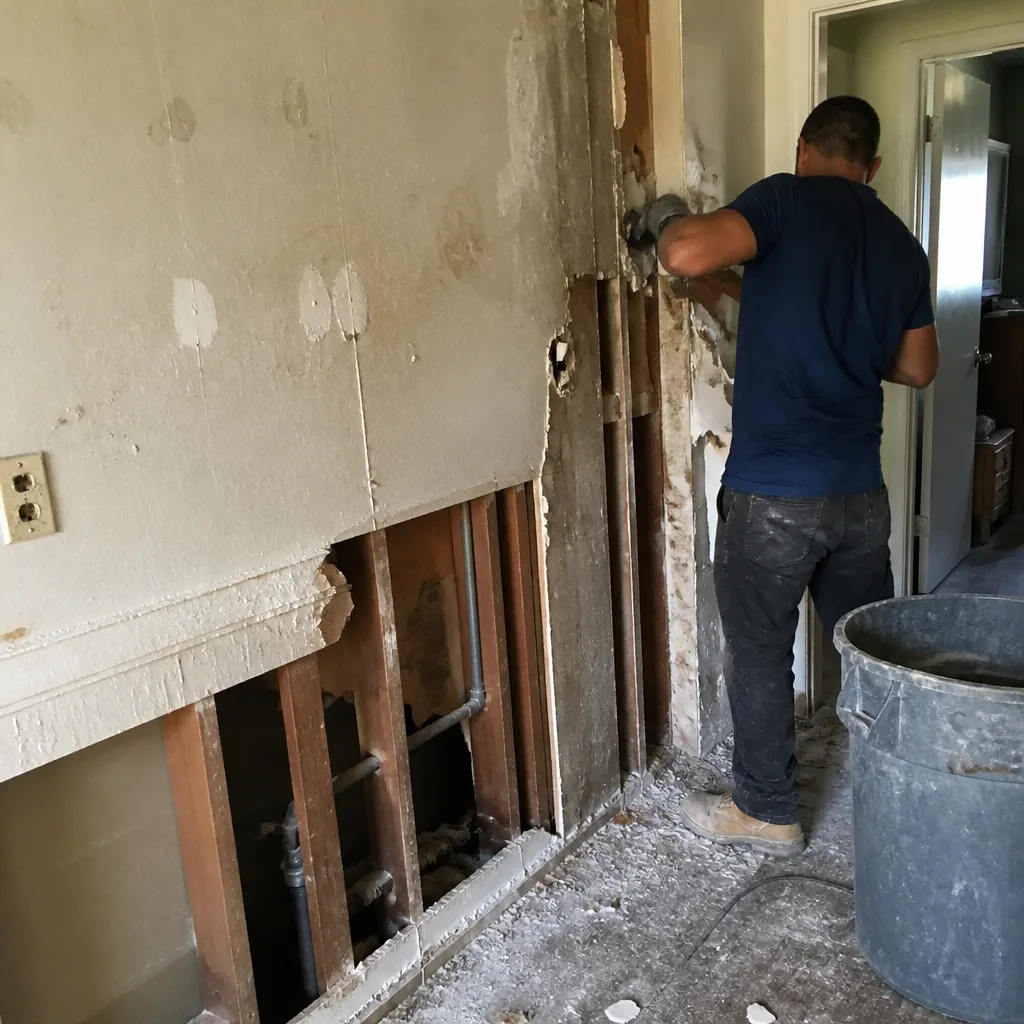 Before
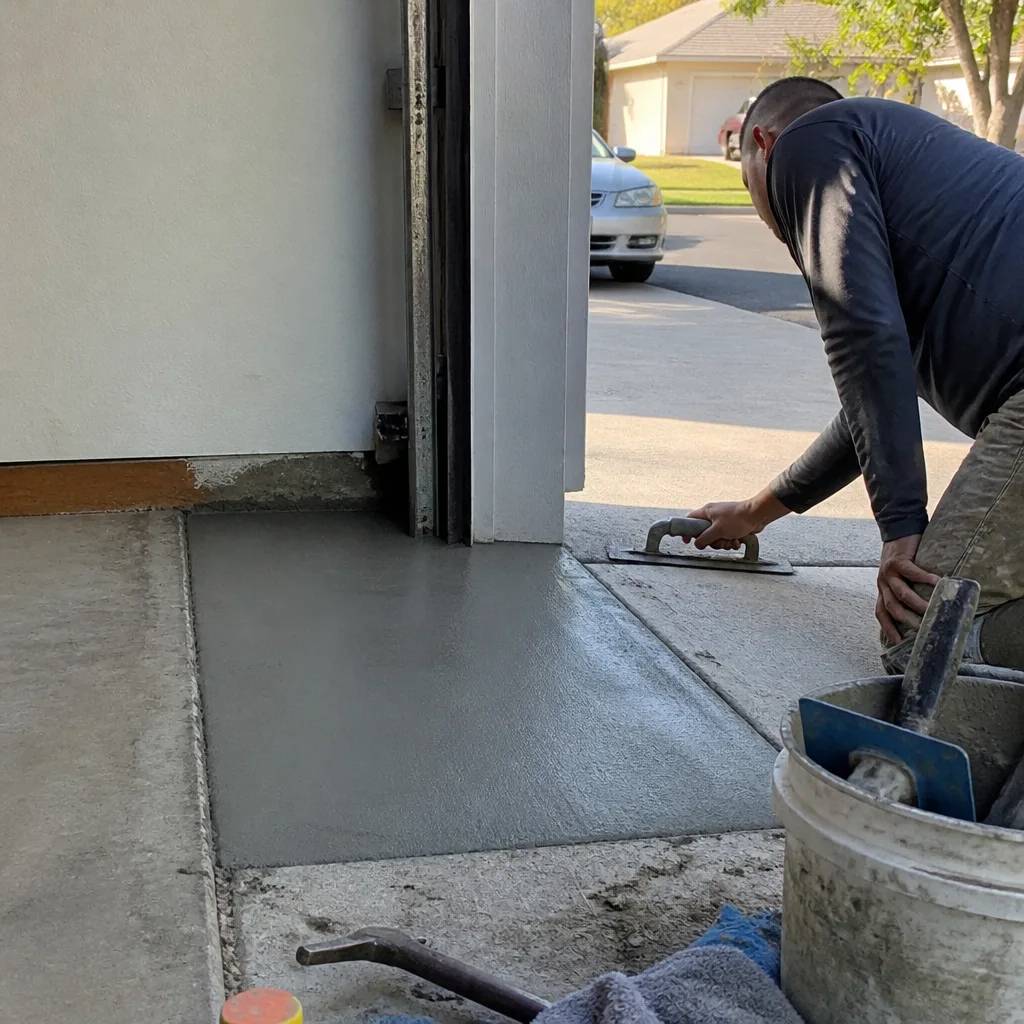 After
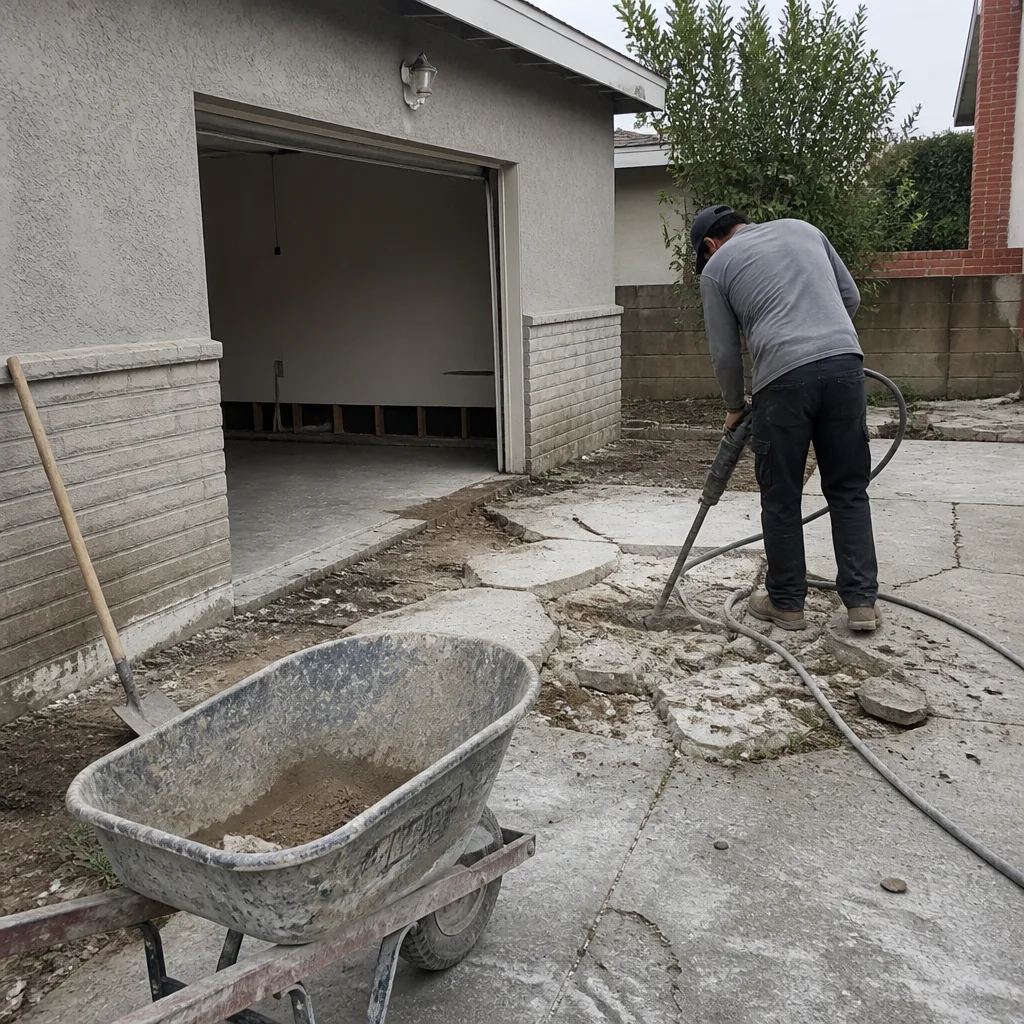 Before
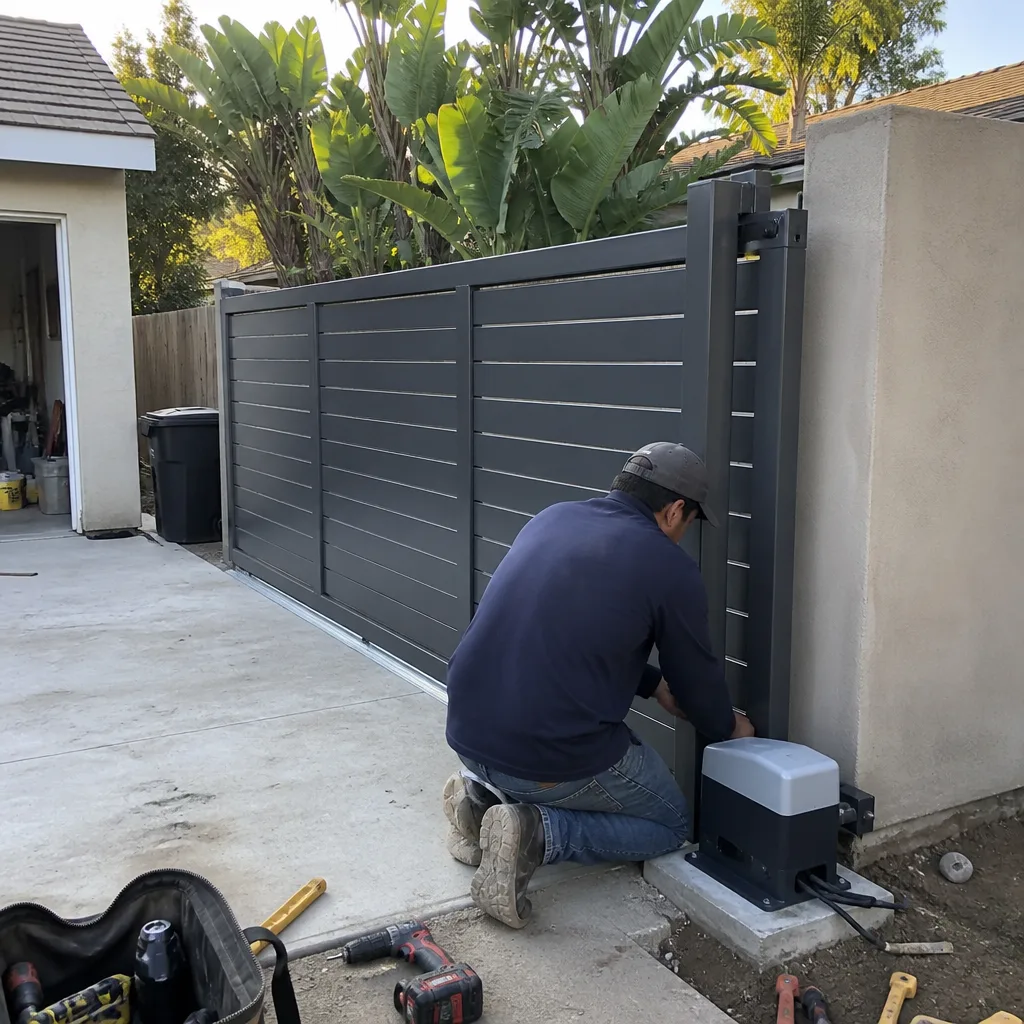 After
 Before
 After