

Last updated October 31, 2026
 Home additions & ADU
 Kitchen remodeling
 Bathroom remodeling
 Roofing
 Windows & doors
 Driveway & pavers
 Fence
Free written scope consultation - allowances, timeline, and change-order rules on paper before a single trade is scheduled
General Contractor Maintenance Checklist for Santa Ana Homeowners
Santa Ana sits in a strange weather pocket. Close enough to the coast that salt-laden air eats at metal flashing and window screens, but far enough inland that summer heat bakes the east-facing side of a home until stucco cracks and caulk pulls away from trim. Most maintenance checklists you find online were written for a generic American house in a generic climate. They miss what actually happens to homes in this city. This guide fixes that. We’ve built it around the specific failure patterns we see in Santa Ana’s housing stock, from the stucco exteriors that dominate the city’s mid-century tracts to the slab foundations that shift with Santa Ana’s clay-heavy soil. You’ll learn what to inspect, when to inspect it, and which problems are worth fixing before they compound.
Quick Answer
A Santa Ana home maintenance checklist should prioritize stucco inspection every 6 months, roof and fascia checks before and after Santa Ana wind season (October through February), HVAC service twice yearly due to 8+ months of cooling demand, and annual water intrusion audits on slab foundations. Most homeowners should budget for a professional inspection once a year to catch issues across multiple systems before repair costs stack up. If you’re selecting help, our How to Hire a Construction Contractor in Santa Ana: A Step-by-Step Guide covers what to look for.
Styles & brands we work with
Table of Contents
- Exterior Stucco and Siding Inspection
- Roof, Fascia, and Santa Ana Wind Preparation
- HVAC Maintenance for a Year-Round Cooling Climate
- Plumbing, Slab Foundations, and Water Intrusion
- Windows, Doors, and Marine Air Corrosion
- Hardscape, Fencing, and Drainage
- The Compounding Cost of Deferred Maintenance
Exterior Stucco and Siding Inspection
Stucco is the dominant exterior finish on Santa Ana homes, particularly in the city’s older neighborhoods like Floral Park, Washington Square, and the tracts built between the 1940s and 1970s. Stucco behaves in specific ways under Santa Ana conditions. The summer heat expands the cement-based material, and the overnight marine layer cools it quickly. That daily thermal cycle, repeated hundreds of times per season, creates hairline cracks long before a more dramatic failure shows up.
In our experience across Santa Ana, the most common stucco problem is not the dramatic crack that runs from foundation to roofline. It’s the accumulation of small separations around window frames, door jamb seams, and where stucco meets wood trim. These gaps are often no wider than a credit card, but they pull in moisture during winter rains and let heat escape during summer months.
Here’s the inspection cadence we recommend for Santa Ana homeowners:
- Every 6 months (spring and fall): Walk the full perimeter of your home and look at every stucco seam. Check where stucco abuts window frames, door frames, fascia boards, and the foundation line. Use a flashlight at a low angle to cast shadows across the surface, which reveals hairline cracks you would miss in direct light.
- After any measurable rain: Inspect the base of exterior walls for dark stains that indicate water wicking up from the ground or running down from a crack above.
- During Santa Ana wind events: Extreme dry wind combined with heat can cause stucco to contract rapidly. If you hear a popping sound from an exterior wall during a wind event, inspect that wall within 48 hours.
- Annually: Check the top edge of stucco where it meets rooflines and chimneys. This is where water tends to enter first, and it’s the area most homeowners never look at.
When you find cracks, don’t immediately patch with a tube of caulk and walk away. For deeper guidance, see our General Contractor Troubleshooting: Common Problems and How to Fix Them. The repair method depends on the crack type. Hairline cracks under 1/16 inch can typically be sealed with an elastomeric caulk. Cracks wider than 1/8 inch, or cracks that run diagonally from a window corner, indicate movement behind the stucco and deserve a professional look. Patching over structural movement without addressing the cause means the crack will reopen within a season.
A Framework Contractors home maintenance visit includes a full stucco survey as part of the exterior inspection, which matters more than most homeowners realize because stucco problems rarely stay stucco problems. They become water intrusion problems, which become framing rot problems, which become five-figure repairs.
Roof, Fascia, and Santa Ana Wind Preparation
Santa Ana’s namesake wind events are not a seasonal afterthought. They are a mechanical force that works on your roof, fascia, and vents in ways that normal coastal weather does not. Wind gusts during Santa Ana events regularly exceed 40 mph, and in the foothill-adjacent neighborhoods like North Tustin and the areas near Santiago Creek, gusts can push higher. That wind doesn’t just blow debris onto your roof. It lifts shingle edges, loosens fascia boards, and creates a vacuum effect that pulls at ridge vents, attic vents, and anything else that is not mechanically fastened down.
The checklist for roof and fascia maintenance in Santa Ana needs to account for two separate threat profiles: winter rains and autumn wind. Both require attention, but the timing differs.
Pre-Wind-Season Checklist (September through early October)
- Walk the roof surface or have a professional do it. Look for shingles with lifted edges, cracked tabs, or granule loss that has exposed the fiberglass mat beneath.
- Check every roof penetration: plumbing vent stacks, exhaust vents, skylights, and chimney flashing. These are the first points of failure in high wind.
- Inspect the fascia boards where gutters attach. Look for signs of rot, peeling paint, or separation between the fascia and the roof decking underneath.
- Clear gutters and downspouts completely before the wind picks up. Debris in a gutter becomes a dam when rain follows the wind, and a wind event will fill gutters with leaves and dirt faster than any other time of year.
- Check that ridge vents and soffit vents are securely fastened. Wind-driven rain enters through loose vents more often than through the roof field itself.
After each significant wind event, do a quick ground-level sweep of the roof line. Look for shingles in the yard, displaced flashing, or fascia sections that appear to have pulled away from the house. If you have the ability to safely access the roof, check the areas where the wind hit hardest: the windward-facing slopes and the ridge line.
One thing we see regularly in Santa Ana: homeowners who inspect their roof after the first winter rain, find no leaks, and assume everything is fine. The problem is that wind damage is often not immediately visible as a leak. A lifted shingle sealed back down by a subsequent rain can hide for months before a wind event strong enough to tear it off arrives. The maintenance standard should be pre-wind inspection, not post-rain inspection.
HVAC Maintenance for a Year-Round Cooling Climate
National HVAC advice assumes a baseline of seasonal change: furnace in winter, air conditioning in summer, two distinct maintenance visits at the transition points. That model does not apply in Santa Ana. Homes here run cooling systems for eight to ten months out of the year. Some residents in the city’s inland neighborhoods, where summer temperatures routinely sit in the high 80s to mid 90s, will run air conditioning from April through November without interruption.
The practical consequence of that runtime is the maintenance interval itself. A system that runs 2,500 cooling hours per year wears out filters, condenser coils, and contactors much faster than a system that runs 800 hours per year. The standard “change your filter every 90 days” advice is insufficient for a Santa Ana home in peak cooling season.
Here’s what we recommend:
- Filter replacement every 30 to 45 days during peak cooling months (May through October). This is not hyperbole. Santa Ana’s air carries more particulate matter than residents often realize, partly from the city’s dense surface streets and partly from the Santa Ana wind events that stir up dust and pollen.
- Condenser coil cleaning in spring and again in late summer. The outdoor unit sits outside in the dry, dusty air, and the coil will accumulate a layer of dirt that reduces heat transfer efficiency. A coil that is 30% blocked can increase energy consumption by 25% or more.
- Condensate drain line cleaning every 6 months. Running cooling constantly means the drain line is constantly moving water. Algae and biofilm grow more readily in an always-wet environment. A clogged drain line in a Santa Ana attic or utility closet can cause water damage inside the home, not just outside.
- Thermostat calibration check annually. If your thermostat is reading 2 or 3 degrees off, you’re paying to cool your home when you don’t need to be. This is a simple check that most homeowners never perform.
One more thing that matters in Santa Ana specifically: the age of the home. The city has a substantial stock of homes built before central air conditioning was standard, which means many systems were retrofitted into attics and closets that were not designed for them. If you have a retrofitted system, pay particular attention to the ductwork during maintenance visits. Duct runs through unconditioned attic spaces, which can exceed 130 degrees in a Santa Ana summer, lose efficiency dramatically if there are any gaps or disconnections in the duct line.
Plumbing, Slab Foundations, and Water Intrusion
A large percentage of Santa Ana homes were built on slab foundations, particularly the single-story ranch homes that dominate neighborhoods across the city. Slab foundations behave differently than raised foundations when it comes to plumbing. The supply and drain lines run through or below the concrete slab, which means a leak can go undetected for months, shifting soil and eroding the slab from underneath.
Santa Ana’s soil is part of the problem. The city sits on a mix of clay-heavy soils in some areas and sandy loam in others. Clay soil expands when wet and contracts when dry. That movement, repeated over decades, puts stress on below-grade plumbing connections. A small leak that would be a non-issue under a raised foundation can become a slow-motion structural problem under a slab.
Your annual water intrusion audit should include these specific checkpoints:
- Water meter test: Turn off all water inside and outside the home, then check the meter. If the small flow indicator is still spinning, you have a leak somewhere in the system. Do this once a month. It takes two minutes and catches leaks at their earliest stage.
- Slab penetration inspection: Walk the perimeter of the home and look at the point where the slab meets the exterior wall. Cracks in the slab edge, damp spots, or visible efflorescence (white mineral deposits) indicate water moving through the slab.
- Floor surface check inside the home: In rooms with tile or vinyl flooring, look for darkening, warping, or a hollow sound when tapped. These can indicate moisture beneath the flooring material.
- Water heater inspection: Check the area around the water heater for corrosion, pooled water, or rust staining. Water heaters in slab homes are typically located in the garage or a utility closet, so inspect the drywall and flooring around the unit.
- Exterior hose bib and irrigation line check: These are the most common source of slow leaks into the soil adjacent to the slab, which can create localized soil expansion.
If you find signs of a slab leak, it’s a professional-level repair, not a DIY project. Accessing plumbing below a slab involves either cutting through the concrete or rerouting lines through walls or ceilings. The decision between those two approaches depends on the layout of the home, the age of the plumbing system, and the soil conditions around the foundation. A general contractor who has worked on slab homes in Santa Ana will have seen your exact situation before and will know which approach makes sense for your floor plan.
Windows, Doors, and Marine Air Corrosion
Santa Ana’s proximity to the coast creates a maintenance profile that many national checklists ignore entirely. The air here carries enough salt to accelerate corrosion on metal window frames, door hardware, and screens, but the city is far enough inland that this corrosion sneaks up on homeowners rather than being an obvious, constant battle. You don’t notice it day to day. You notice it when a window won’t open or a door lock seizes.
The inspection points that matter for Santa Ana windows and doors:
- Aluminum window frames: Many Santa Ana homes have aluminum-frame windows from the 1960s, 1970s, and 1980s. Aluminum oxidizes in marine-adjacent air, and the oxidation builds up in the window tracks, making windows progressively harder to operate. Clean the tracks quarterly with a brush and a mild degreaser, then apply a dry silicone lubricant.
- Hardware corrosion: Door handles, hinges, and locks on exterior doors all take the brunt of salt exposure. Check them monthly. If you see white or green oxidation forming, clean and lubricate before the mechanism seizes entirely.
- Window screens: Salt air corrodes screen mesh over time, particularly the aluminum screen material used in older homes. Replace screens that show visible pitting or holes, and check the spline (the rubber cord holding the screen in the frame) for brittleness.
- Weatherstripping: The daily thermal cycling in Santa Ana causes weatherstripping to dry out and crack faster than in more stable climates. Run your hand along every exterior door and window seal every 6 months. If the material feels hard, crumbles, or doesn’t spring back when compressed, it’s time for replacement.
- Wood trim and casing: On homes with wood-framed windows or wood trim around doors, check for paint failure at the bottom edges and the joints where horizontal and vertical trim meet. These are the water entry points during coastal winter storms.
When window or door failures move beyond maintenance into replacement, that’s a conversation worth having with a contractor who works across multiple manufacturers rather than one locked into a single brand. The material choice matters for a Santa Ana home: impact-rated windows make sense if you’re on a wind-exposed lot, while a standard double-pane low-E window may be the right call for a more protected interior street. The point is having the option to choose rather than being forced into whatever a single-brand installer happens to carry.
Hardscape, Fencing, and Drainage
Maintenance checklists for Santa Ana homes often skip the hardscape and fencing entirely, treating them as decorative rather than functional systems. That’s a mistake. Your hardscape and fence are the first line of defense against water intrusion and soil movement around the home, and in Santa Ana’s dry-wet-dry weather pattern, they take a beating.
The critical maintenance items:
- Paver and concrete drainage checks: Walk your hardscape after any significant rain and look for standing water. Any area where water pools within 5 feet of the foundation is a future plumbing or foundation problem. The fix may be as simple as re-sloping a section of paver or as involved as installing a French drain, but the catch is identifying the pooling before it saturates the soil repeatedly.
- Expansion joint maintenance in concrete: Concrete joints are designed to crack in a controlled way, but when the joint filler degrades, water and soil work their way in and accelerate the cracking. Check joint filler annually and replace missing or crumbling sections.
- Fence post integrity: Santa Ana’s dry summers cause wood fence posts to shrink, and the winter rains cause them to swell. That cycle loosens posts over time. Grab every fence post once a year and try to move it. If it wiggles more than a quarter inch, the post base is compromised and should be reset before the entire fence section starts leaning.
- Metal fence corrosion: For homes with ornamental iron fencing or metal gates, salt air is an ongoing issue. Check for rust at weld points, gate hinges, and where the fence meets the ground. Touch up rust spots within 30 days of noticing them. A small rust spot on a metal fence becomes a structural hole faster than most homeowners expect.
- Retaining wall inspection: If your Santa Ana home has a retaining wall, check it after every substantial rain. Look for bulging, cracking, or soil movement at the base. Retaining wall failures start small and become very expensive very quickly, especially on the sloped lots common in the city’s northern neighborhoods.
We work with fencing product lines including Barrette, Master Halco, Ameristar, and Jerith, and the reason that matters for maintenance is simple: different fence materials require different maintenance approaches. A Master Halco wood fence needs different treatment than an Ameristar steel fence. Homeowners who know what product is installed on their property can maintain it correctly instead of guessing.
The Compounding Cost of Deferred Maintenance
Here’s the part most maintenance guides don’t explain clearly—though you can find more guides & resources on our blog—the reason an annual maintenance routine saves money is not that each individual fix is expensive if delayed. It’s that home systems fail in cascades. One unchecked problem becomes the cause of another problem. And by the time you notice, you’re not paying for a single repair. You’re paying for a series of repairs across multiple trades.
Let’s use a real Santa Ana example. A homeowner notices a small stucco crack near a window during the summer and decides to wait. The next winter, rain enters through that crack and saturates the wood framing around the window. The framing swells, which separates the window from the wall, which breaks the interior drywall around the window. By spring, a repair that would have been a couple hundred dollars for crack sealing is now a multi-thousand-dollar project involving stucco repair, framing inspection, window reset, and interior drywall and paint.
That sequence is not hypothetical. We see it every year across Santa Ana, and it happens most often in the city’s older housing stock where multiple systems are approaching replacement age at the same time.
This is where the single-contractor model changes the economics of maintenance. When one contractor is responsible for the full envelope of the home, that contractor has the context to see how systems interact. A roofing issue that creates a water intrusion problem that damages interior walls is not three separate jobs handled by three separate companies. It’s one problem with a clear cause, and the fix addresses the cause rather than just the symptoms. That’s the difference between maintaining a home and just repairing it piecemeal.
The annual maintenance visit should cover, at minimum: stucco and exterior surface inspection, roof and fascia survey, HVAC filter and drain check, water meter test, window and door seal inspection, and hardscape drainage review. That’s a half-day of work that catches most of the failures that turn into emergency repairs. It’s also worth comparing that against the alternative: a 90-second walkthrough that misses the problem until you notice water staining on a ceiling.
Common Mistakes to Avoid
- Following a coastal climate checklist for an inland city. Santa Ana is not a beach town. Advice written for homes right on the coast, with its constant humidity and ocean-facing window exposure, will have you over-maintaining for corrosion and under-maintaining for thermal cracking. Use a checklist calibrated for this specific climate zone.
- Ignoring hairline stucco cracks because they’re “small.” In Santa Ana’s thermal cycling, hairline cracks are the early warning system. A crack that’s a sixteenth of an inch today will be an eighth of an inch by the end of the next Santa Ana wind season if not addressed.
- Changing HVAC filters on a national-average schedule. As covered above, your system runs more hours per year than the national baseline. Every 30-45 days during cooling season, not every 90.
- Treating gutters as a seasonal chore rather than a wind-event chore. Santa Ana winds fill gutters with debris fast. After every substantial wind event, check that downspouts are clear.
- Skipping the water meter test because “a small leak won’t matter.” A small leak under a slab foundation is not small. It’s a soil saturation problem that compounds every week it goes undetected.
- Patching stucco cracks with the wrong product. Elastomeric caulk is the right material for most stucco repairs in this climate, but using rigid caulk or concrete patch in the wrong situations will cause the repair to fail within a season or two.
- Assuming a new roof means no roof maintenance for 20 years. Even a newly installed roof has flashing, vent boots, and ridge caps that need inspection, especially with the wind loads Santa Ana sees in autumn.
See the difference
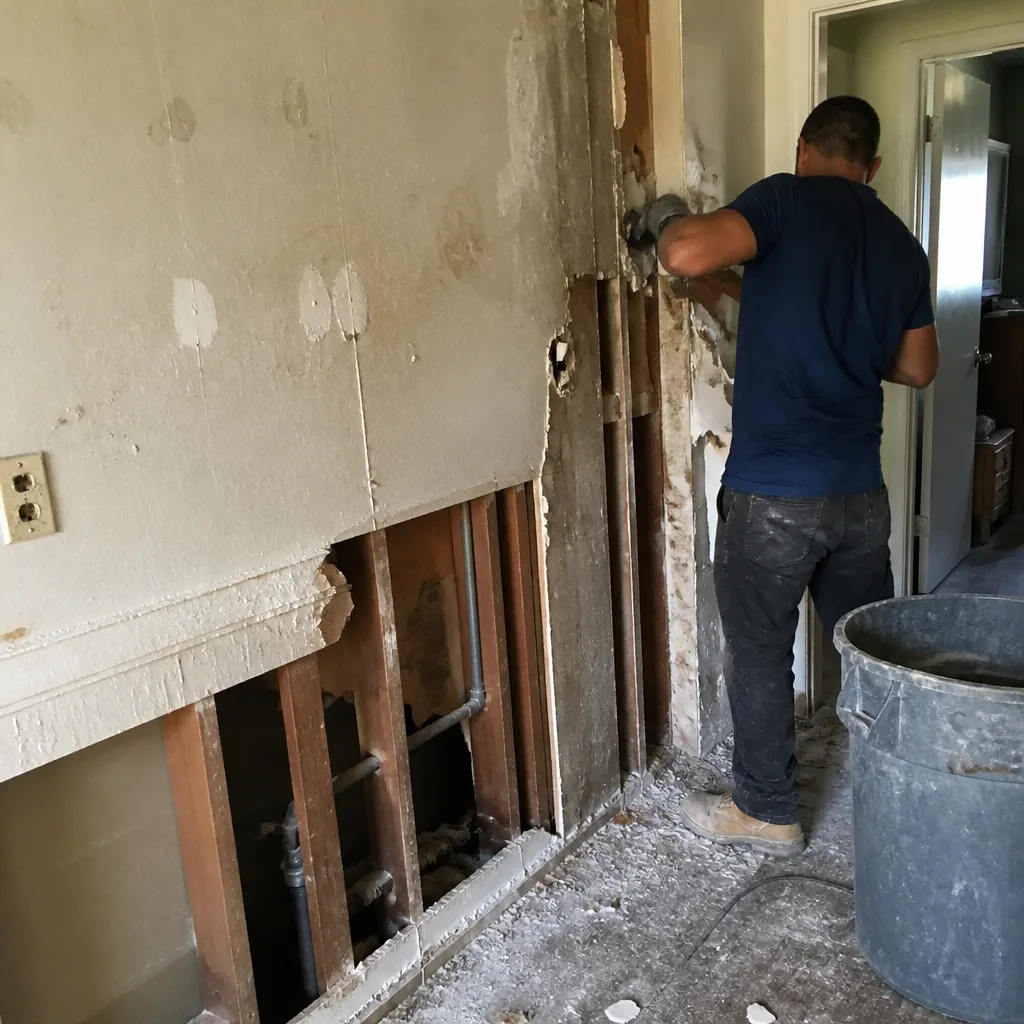 Before
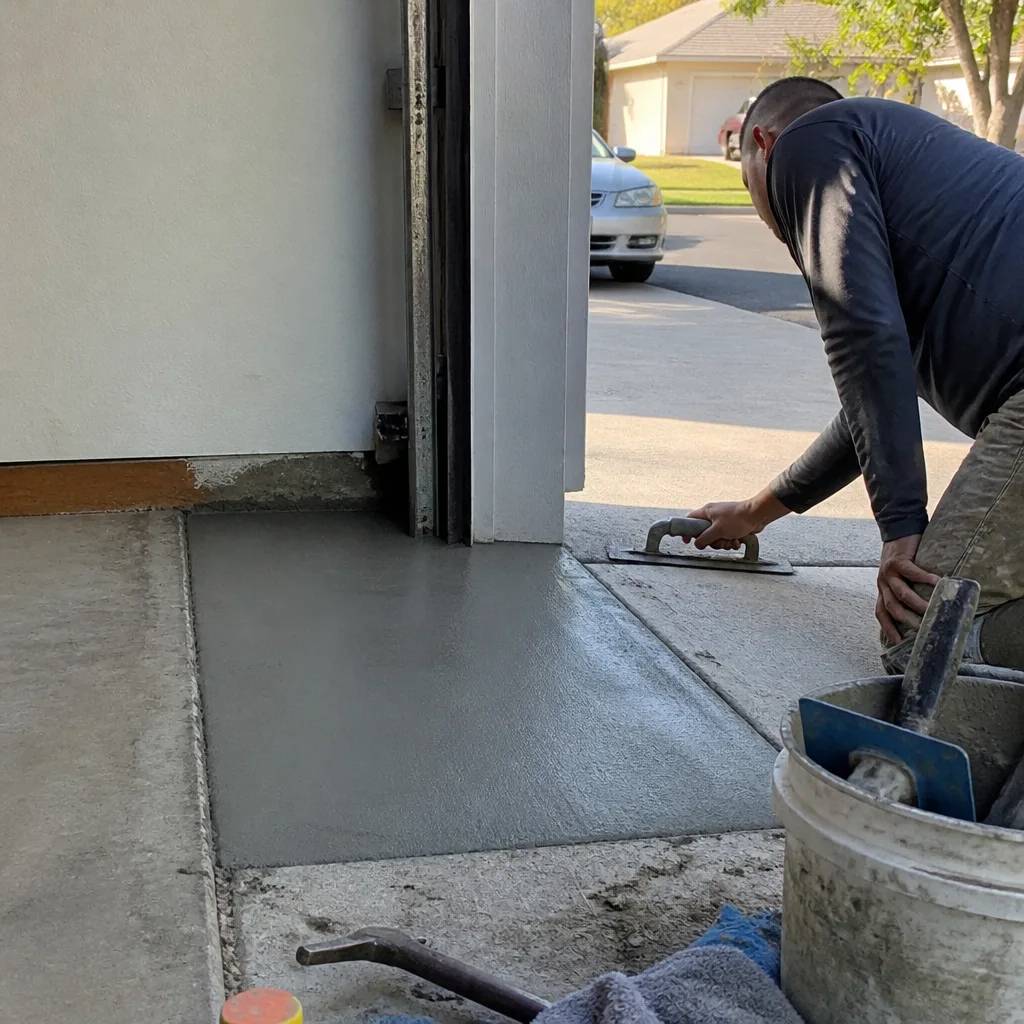 After
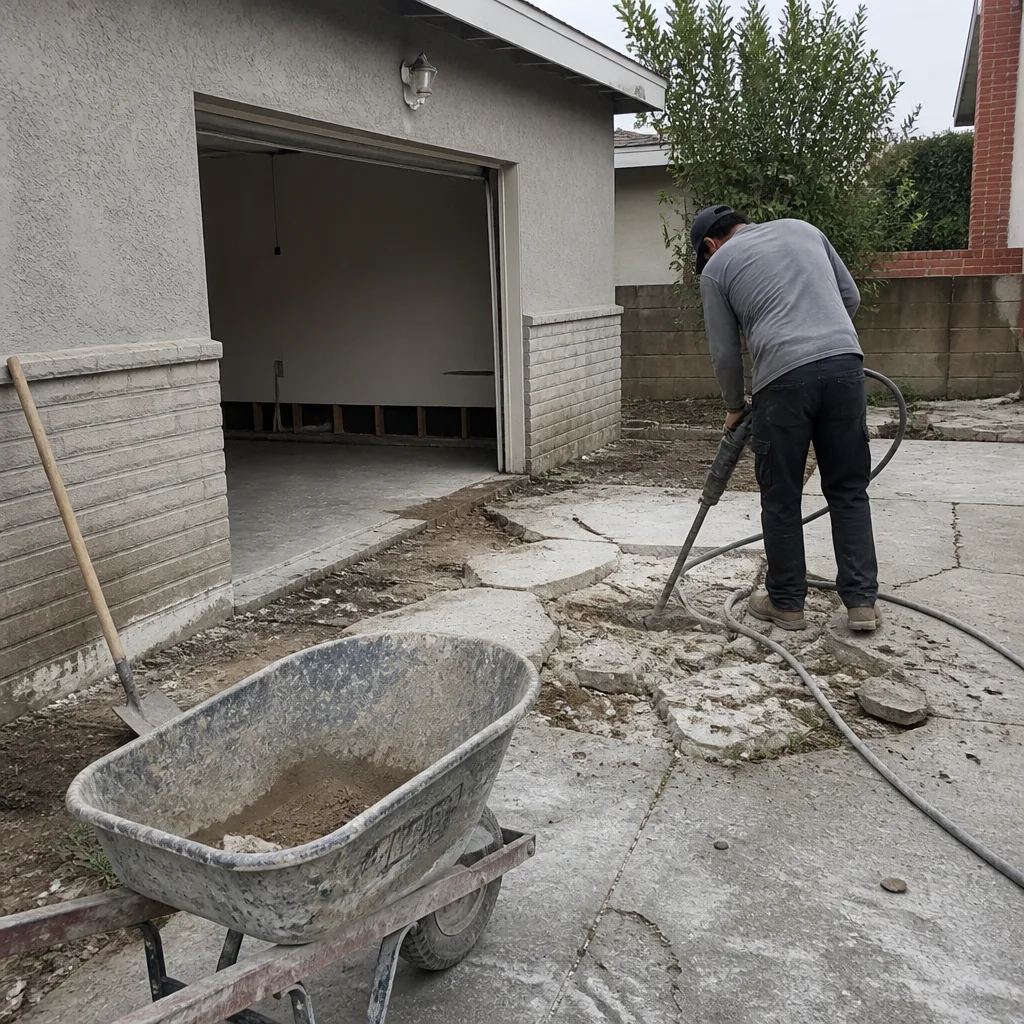 Before
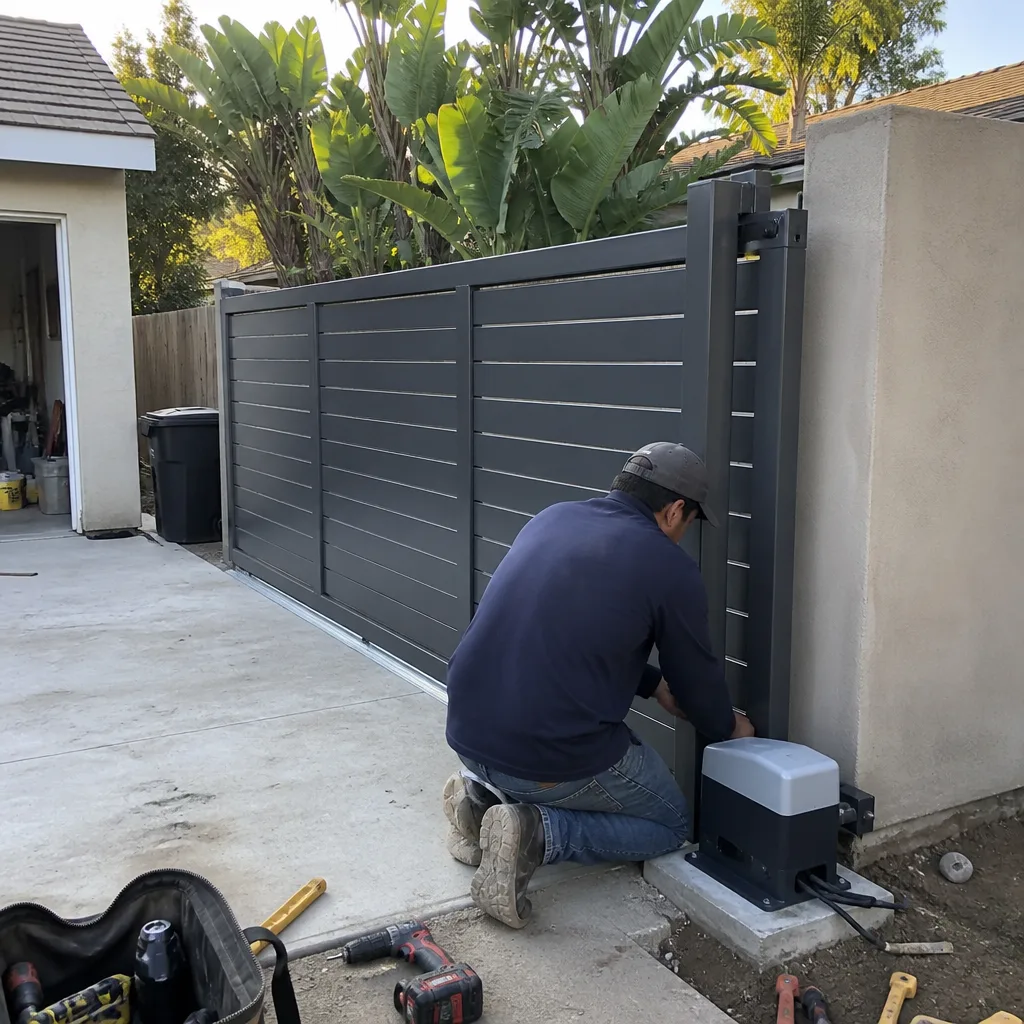 After
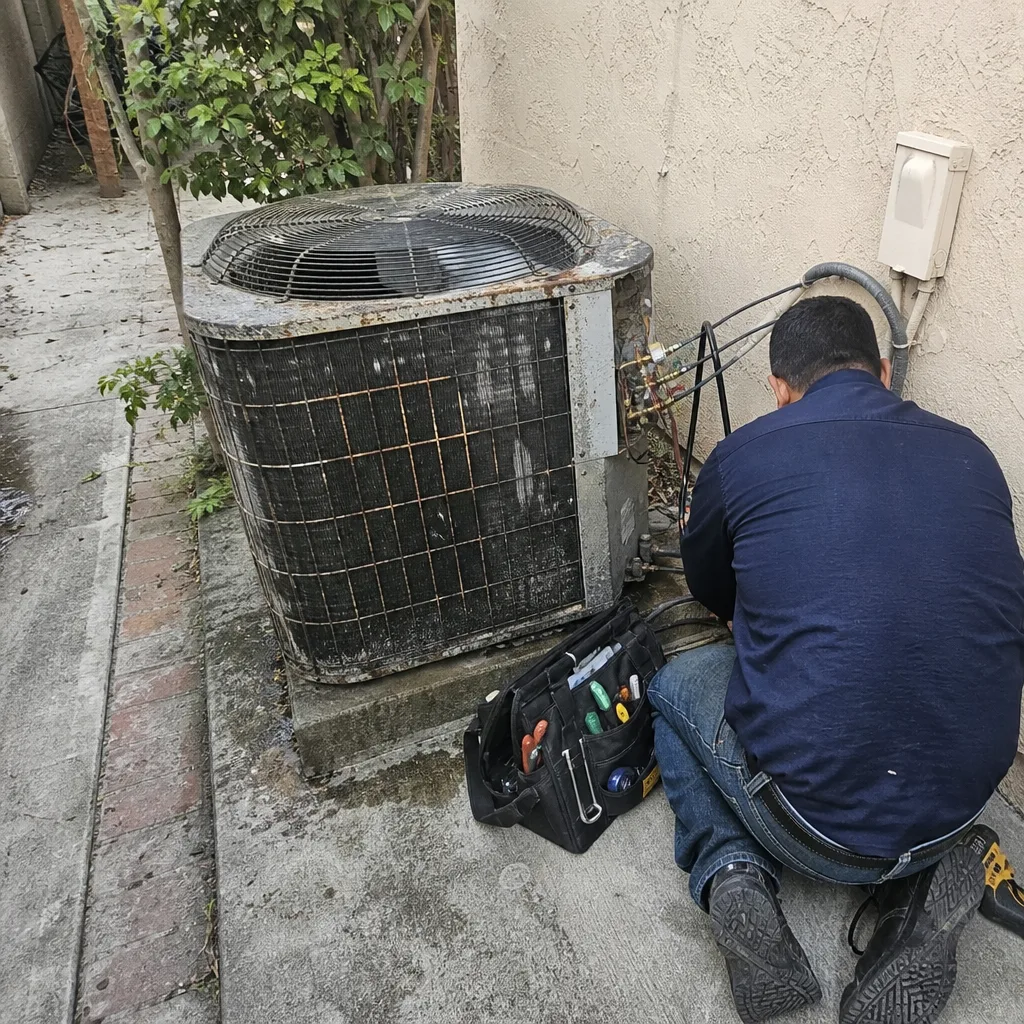 Before
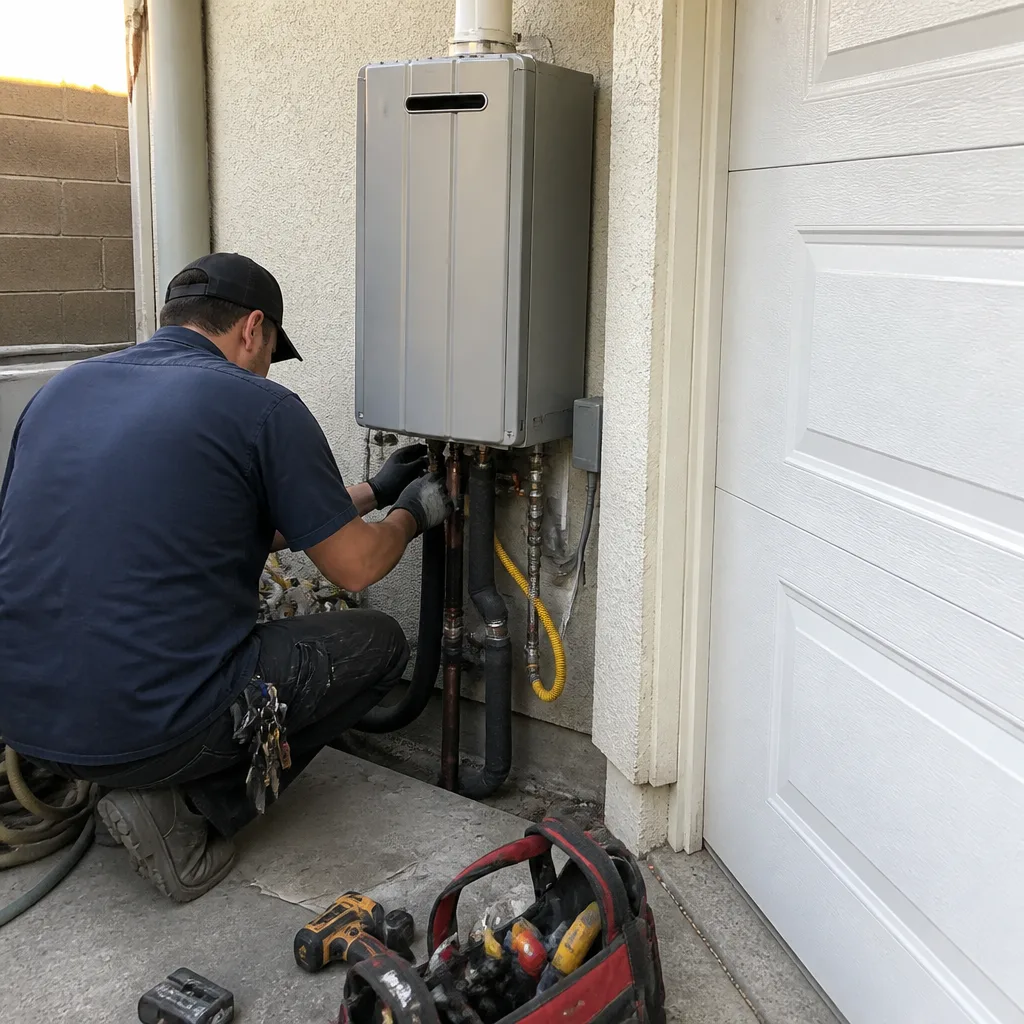 After
When to Call a Professional
Most of the items on this checklist are DIY-inspectable. You can walk your perimeter, check your water meter, clean your gutters, and monitor your HVAC filter. But when you find a problem, the threshold for calling a professional should be low. Cracks wider than an eighth of an inch, any sign of water staining that appears or grows over time, a spinning water meter with no visible leak, a fence post that moves more than a half inch, or a roof issue you can see from the ground but can’t safely access are all reasons to bring in a pro.
Santa Ana homes present specific challenges that a general contractor with local experience will recognize immediately: the older slab foundations, the stucco exteriors, the retrofitted HVAC systems, the fence lines that lean after years of dry-wet weather cycling. Framework Contractors offers free estimates in Santa Ana – call (844) 681-3590 and we’ll walk your property with you and tell you what actually needs attention, not what a generic checklist says should need attention.
Frequently Asked Questions
Inspect stucco every 6 months, once in spring and once in fall, plus after any significant rain event or strong Santa Ana wind. The thermal cycling in Santa Ana’s climate causes hairline cracks to form more quickly than in more temperature-stable regions, so semi-annual inspection is the minimum standard.
The biggest specific issue is the combination of marine-adjacent air and inland heat, which accelerates both corrosion and thermal cracking. Homes in Santa Ana face simultaneous pressure on metal components from salt air and on stucco, caulk, and paint from the daily expansion-contraction cycle caused by hot days and cooler nights.
Costs vary depending on the size of the home and the depth of the inspection. A full exterior and interior maintenance survey from a licensed general contractor will typically cost more than a basic home inspection because it includes the professional evaluation of trade-specific systems rather than a surface-level walkthrough. For an exact quote, call (844) 681-3590 and we’ll provide a written estimate.
Yes. Because cooling systems in Santa Ana run for 8 to 10 months per year, filters should be replaced every 30-45 days during peak season, and condenser coils should be cleaned twice per year. National guidelines assume a seasonal cooling load that does not match Santa Ana’s climate.
Schedule it in September or early October, before the wind season begins. Santa Ana wind events typically peak between October and February, and the time to catch a loose shingle or compromised flashing is before the first strong wind event of the season.
Yes, and that’s the advantage of working with a full-scope general contractor. Instead of juggling separate HVAC, roofing, stucco, fencing, and plumbing vendors, one contractor who understands how all those systems interact across your specific home can identify compounding issues a single-trade contractor might not see. Compare that against the cost of missing a connection between two systems, and the single-contractor approach is the practical option for most Santa Ana homeowners.
For Santa Ana’s dry heat and marine-adjacent air, steel and aluminum fence products from manufacturers like Ameristar and Jerith tend to perform well with periodic rust-spot maintenance. Wood fencing from Master Halco works well but requires more consistent sealing and post inspection due to the swelling and shrinking cycle. The right choice depends on your specific lot and exposure – call (844) 681-3590 for a recommendation based on your property.
The Bottom Line
Maintaining a Santa Ana home is not about following a generic list. It’s about understanding the specific forces this city applies to your property: salt air from the coast, thermal cycling from the inland heat, wind loads from autumn Santa Ana events, and clay-heavy soil under slab foundations. Inspect your stucco every 6 months, your roof before wind season, your HVAC system year-round, and your plumbing and drainage every month with the water meter test. Catch the small cracks and the slow leaks before they compound. If any of this feels like more than you want to take on alone, call us. A professional walkthrough with a contractor who knows this city’s housing stock will tell you what actually needs attention on your specific property, not what a nationwide checklist says.
Written by the team at Framework Contractors, serving Santa Ana since 2015.