

Last updated October 31, 2026
 Home additions & ADU
 Kitchen remodeling
 Bathroom remodeling
 Roofing
 Windows & doors
 Driveway & pavers
 Fence
Free written scope consultation - allowances, timeline, and change-order rules on paper before a single trade is scheduled
Seasonal Construction Care for Santa Ana: Year-Round Homeowner’s Guide
Ask a homeowner in Minneapolis about seasonal maintenance and they’ll talk about snow load and frozen pipes. Ask someone in Santa Ana and you’ll get a blank stare, because we don’t have winter. But here’s what most people miss: Santa Ana doesn’t have four seasons, it has four threat windows, and the one that does the most damage is the one nobody prepares for. From late October through December, the Santa Ana winds arrive before the rain does. They work your roofline, peel caulk, and dry out sealant for weeks. Then the first real storm hits surfaces that are already compromised. This guide breaks the year into the four windows that actually matter for a Santa Ana home, and tells you what to check, what to fix, and when to fix it so one weather event doesn’t undo last month’s repair. For The Complete Guide to Construction in Santa Ana and more guides & resources, see our blog.
Styles & brands we work with
Quick Answer
Seasonal construction care in Santa Ana works best when it follows four local threat windows rather than a generic spring-and-fall calendar: wind-fire season (October through December), wet season (January through March), transition heat (April and May), and sustained heat (June through September). Each window stresses a different part of your home’s envelope, and sequencing your maintenance so roofs, caulk, and drainage are addressed before wind and rain arrive prevents most avoidable damage. A homeowner who follows this calendar spends less on emergency repairs than one who waits for visible failure.
Table of Contents
- Window One: Fire-Wind Season (October – December)
- Window Two: Wet Season (January – March)
- Window Three: Transition Heat (April – May)
- Window Four: Sustained Heat (June – September)
- How to Sequence Repairs So Weather Doesn’t Undo Them
- The Home Envelope: What Actually Fails in Santa Ana
- Drainage and Grading: Why Urban Density Changes the Math
- Common Mistakes to Avoid
- When to Call a Professional
- Frequently Asked Questions
- The Bottom Line
Window One: Fire-Wind Season (October – December)
October through December in Santa Ana is statistically the most damaging period for residential exteriors. The mechanism is simple and repeatable: sustained northeast winds, often gusting 40 to 60 miles per hour in exposed neighborhoods like Floral Park and areas along the 55 corridor, hammer the roof plane for weeks before a drop of rain falls. Ridge caps loosen, edge flashing lifts, and caulk around window and door perimeters dries and separates under constant wind-driven vibration. Then the first Pacific storm of January hits a roofline that was silently decommissioned in November.
In our experience, the most common call we get in January is not a leak that started that week. It’s a leak that started as wind damage in October and sat undiscovered until the rain exposed it. That’s the whole argument for a wind-season exterior audit in early October, before the winds peak.
What to Check Before the Winds Arrive
- Ridge caps and hip lines. Walk your roof or have it walked. Loose ridge caps are the single most common wind failure we see on tile and composite roofs in Santa Ana. They don’t look damaged from the ground. They just lift half an inch under wind load, and that’s enough for water to enter.
- Exterior caulk joints. Check window perimeters, door frames, and any penetration where a hose bib, vent, or exhaust exits the wall. Wind-driven vibration cracks old caulk fast. Re-caulking costs a few hundred dollars when done proactively. Repairing stucco and framing after a wet season costs thousands.
- Vent screens and eave gaps. Santa Ana winds pressurize attics. Ember entry during high-fire-risk days is a real concern for neighborhoods bordering Santiago Creek and the foothill interface zones. Fine-mesh vent screens and sealed eave gaps reduce both ember intrusion and the dust deposition that clogs attic insulation over time.
- Fences and gates. Wind doesn’t just hit the house. A 6-foot fence panel acts like a sail. Loose posts and rusted hardware fail progressively through the wind season, and replacing a blown fence section in January costs more than tightening hardware in October.
- Patio covers and freestanding structures. Check the lag connections, post bases, and roof anchors on any alumawood or wood patio cover. These structures are rarely built with Santa Ana wind loads in mind, and they’re the first things to go airborne in a strong gust event.
One note on roofing brands: we install GAF and CertainTeed products across most of our Santa Ana roof projects, but even the best shingle or tile underlayment won’t save a roof whose ridge line has been separating for two months. The brand matters. The fasteners matter more.
If any of this feels beyond a weekend inspection, our team at Framework Contractors home offers free exterior wind-season inspections in Santa Ana. Call (844) 681-3590 to schedule one.
Window Two: Wet Season (January – March)
Santa Ana averages about 13 to 14 inches of rain per year, but the pattern matters more than the total. Rain arrives in concentrated bands, often with several inches falling in 48 hours. When that happens, the city’s drainage infrastructure and your home’s perimeter grading face a test they don’t get in drier months.
Most wet-season failures in Santa Ana are not roof failures. They’re drainage failures. Water pools against slab foundations, saturates raised foundation perimeter beams, and finds the path of least resistance through garage slabs and crawlspace vents. The damage is slow and cumulative, and a homeowner often doesn’t discover it until musty air shows up in the hallway or a floor tile cracks over a settling corner.
Wet-Season Drainage Audit: A 6-Step Check
- Walk the perimeter during a real rain. Not a drizzle. Put on boots and walk the house during a heavy band. Look for water ponding within 3 feet of the foundation. If it stands for more than an hour after rain stops, your grading has failed.
- Check downspout discharge. Every downspout should discharge at least 4 to 6 feet from the foundation, ideally onto a splash block or into a drain line. A downspout that dumps at the corner of the house is a foundation repair waiting to happen.
- Inspect crawlspace vents. In raised-foundation homes common in older Santa Ana neighborhoods like French Park and Willard, crawlspace vent wells fill with debris over summer. Come January, they channel water directly under the house. Clear them in December and keep them clear through March.
- Test your sump pump if you have one. Rare in Santa Ana but present in some low-lying pockets. Pour a 5-gallon bucket into the basin and verify the float actuates and the discharge line flows freely.
- Inspect garage slab slopes. Garage slabs in Santa Ana are often poured nearly flat. Rain driving against the garage door seals in and runs back toward the interior. Check the seal and consider a threshold dam if you’ve had water intrusion before.
- Review retaining walls and planter edges. Saturated soil against a retaining wall adds lateral pressure. If you see new cracks or bulging in January, don’t wait. A failing wall in wet season moves fast.
The urban density of Santa Ana compounds drainage problems. Most lots are small, many are fully paved, and impervious surface runoff from your neighbors’ properties travels toward the lowest point. In some older neighborhoods, that lowest point is someone’s garage. Understanding where your property sits relative to surrounding lots tells you how much defensive grading you actually need. If you’re the low lot on the block, code-minimum grading is not enough.
Window Three: Transition Heat (April – May)
April and May in Santa Ana are not the hottest months, but they’re the months when thermal expansion starts testing the work done during cooler weather. Stucco cracks that were invisible in February open up as surfaces warm. Caulk that was flexible at 60 degrees gets brittle at 85. Wood trim that absorbed winter moisture dries out and starts to move.
This is also the window when homeowners start thinking about outdoor living spaces, which makes it the right time to address the exterior envelope before the sustained heat arrives and drives material costs and contractor lead times up.
What Transition Heat Demands
- Stucco and siding inspection. Walk every elevation and mark hairline cracks. A crack under 1/8 inch can usually be sealed with elastomeric caulk. Wider cracks or cracks with displacement indicate movement and deserve a closer look before they become a structural question.
- Wood trim and fascia check. Inland Santa Ana sees bigger temperature swings than coastal Orange County. Trim boards expand and contract daily during transition months. Repaint or reseal any exposed wood before June’s UV load arrives.
- Window and door operation. Frames that swelled during wet season may now bind or stick. Address misalignment in May, not in August when frames are fully expanded and adjustments are harder.
- AC condenser clearance. Clear vegetation and debris from around the condenser unit before the first real heat wave. Restricted airflow in June kills compressors in July.
- Irrigation and drainage lines. April is the month to run every irrigation zone and verify no broken heads are shooting water against the stucco or foundation. Wet-season damage to irrigation often goes unnoticed until the system is needed.
If you’re planning a larger exterior project, spring is when we typically book the rest of the year. Our team handles full exterior scopes across Santa Ana, from Home Remodeling in Costa Mesa to similar projects here in the city, and the earlier a project starts, the better it aligns with good weather. April and May are ideal for roof replacement, siding, window replacement, and hardscape work before the heat and wind cycles resume.
Window Four: Sustained Heat (June – September)
Santa Ana is consistently one of the warmest cities in Orange County during summer months. Inland influence from the Santa Ana Mountains and the lack of a coastal marine layer push daytime highs into the 90s for weeks at a time. That heat load does not just make your AC work harder. It accelerates material degradation rates across every exposed surface.
The sustained heat window is when wood trim checks and splits, when composite decking expands to its maximum dimension, and when HVAC systems running at continuous duty reveal every deferred maintenance decision from the rest of the year.
Summer Protocol for Exterior Materials and HVAC
- Wood trim and railings. High-UV months in Santa Ana will crack unsealed wood within a single season. If your fascia, window trim, or porch railings show bare wood anywhere, seal or paint by early June. The cost doubles if you wait until August, because the wood has already split.
- Composite decking. Popular brands like some TimberTech and Trex lines are rated for high heat, but installation gaps matter. Decking installed too tight in winter will buckle in a Santa Ana July. If you hear popping sounds from your deck on hot afternoons, the fasteners or gaps are undersized.
- HVAC filter and coil maintenance. A 90-degree stretch puts your condenser under maximum load. Change filters monthly during heavy use. Clean coils once in June. A unit running with a clogged coil burns more electricity and fails earlier, usually on the hottest day of the year.
- Attic ventilation. Attic temperatures in Santa Ana during a summer afternoon can exceed 140 degrees. Inadequate ventilation cooks roofing materials from underneath, shortening shingle life by years. Verify ridge and eave vents are unobstructed in May, and if your attic is a sauna in July, consider adding ventilation before the next roof replacement.
- Plumbing, not just drains. High heat expands pipes and can expose weak joints. If you hear water hammer more in summer than winter, or if outdoor hose bibs start leaking at the stem, address it before it becomes a wall or slab leak.
Our General Contractor in Costa Mesa clients face similar heat patterns, and the same principles apply here. Summer is the season of material stress, not just personal discomfort. Your home’s envelope is working as hard as your air conditioner.
How to Sequence Repairs So Weather Doesn’t Undo Them
Here’s a scenario we’ve seen more than once in Santa Ana: a homeowner schedules a roof replacement in November, finishes the job, then has the fascia and trim painted in December. The painter’s ladder and crew traffic across the new roof put scuffs and small punctures in the new underlayment. Then the Santa Ana winds hit, lift the damaged section, and January rain finds the entry point. The homeowner blames the roofer. The real problem was sequencing.
Construction work has an order of operations, and ignoring it means paying twice. Here’s the sequence that holds up across all four Santa Ana threat windows:
- Roof first. Any roof replacement or major roof repair should precede exterior painting, window replacement, or trim work below the roofline. Roof crews drop debris, walk edges, and lean ladders against fascia. Do the roof first, then repair whatever gets marked.
- Windows and doors second. Once the roof is sealed, replace windows and doors. This changes the flashing interface at the wall, and any stucco or siding repair around openings should happen before the final paint pass.
- Stucco and siding repair third. Patch cracks, re-flash penetrations, and replace damaged sections. This work creates dust and debris that would ruin fresh paint.
- Painting and sealing fourth. The final exterior paint or sealant pass goes on last, after any work that creates dust or requires ladder access against finished surfaces.
- Hardscape and drainage fifth. Patios, walkways, and drainage systems can go in before or after the vertical work, but if you’re doing both, finish the vertical work first. Concrete trucks, material pallets, and paver deliveries create ground-level impacts that can crack new stucco and dirty fresh paint.
- Fencing and gates last. Fencing shares property lines and often serves as the access point for equipment. Install or repair fencing after the heavy equipment is done.
If it’s not realistic to stage everything before a single weather window closes, the priority should always be: water entry prevention first, wind resistance second, appearance third. A home that looks rough but keeps water out is in better shape than one that looks great and leaks.
The Home Envelope: What Actually Fails in Santa Ana
The envelope is the boundary between conditioned interior space and the outside. In Santa Ana, envelope failures follow a predictable pattern tied to our specific climate: intense UV, wind-driven debris, dry-summer-wet-winter cycling, and the temperature swings those cycles create. Knowing what fails most often helps you direct inspection effort where it matters.
Top Envelope Failure Points in Santa Ana
- Window-to-wall flashing. This is where most water gets in. Santa Ana homes built before current flashing standards often have no pan flashing at window sills. Over time, water that penetrates the window frame follows the wall cavity down and rots the framing. You can’t see it until the stucco cracks or the window won’t open straight.
- Chimney and roof penetration flashing. Wind season works pipe boots and chimney flashing hard. A pipe boot that’s been in place 8 to 10 years is likely brittle and cracked, even if it looks fine from the ground.
- Stucco weeps and drainage planes. Stucco is porous. The system relies on a drainage plane behind it and weep screeds at the bottom to release moisture. If your weeps are buried by soil, caulked over, or painted shut, moisture accumulates in the wall cavity and feeds mold and rot. This is a frequent issue in Santa Ana homes with raised planters against exterior walls.
- Exterior door thresholds. Entry doors facing prevailing wind and rain directions take water at the threshold joint. A worn threshold gasket or missing door sweep channels water under the door and into the subfloor. Check thresholds annually in October, before wind season starts.
- Vent and exhaust terminations. Every dryer vent, bath fan termination, and kitchen exhaust hood is a hole in your envelope. Their flapper dampers wear out, get caked with lint and cooking grease, and stop sealing. Santa Ana winds pressurize the wall against these dampers, and any that don’t seal properly let dust, embers, and eventually water inside.
When one system in the envelope is addressed, the adjacent systems should be reviewed in the same hour. If we’re replacing windows on a Santa Ana home, we check the flashing condition, the stucco above the window, and the vent penetrations nearby, because all of them share the same wall cavity and the same failure timeline.
Drainage and Grading: Why Urban Density Changes the Math
Santa Ana’s housing stock is old and dense. Most neighborhoods were platted before modern stormwater standards existed, and many lots have been built out with additions, ADUs, and paving that reduce the pervious surface area the original drainage plan assumed. Every roof you add, every patio you pour, every strip of lawn you replace with pavers changes where water goes.
If your property sits on a flat lot in a mid-block position, you’re receiving runoff from both neighbors during heavy rain. If you’re the low lot, you’re receiving it from the whole block. A drainage correction that works on a 7,000-square-foot lot in Park Santiago may be completely inadequate for a 5,000-square-foot lot in central Santa Ana that catches four neighbors’ runoff.
Drainage Correction Options, in Order of Cost
- Surface regrading. The cheapest long-term fix. Re-slope the soil at the foundation so water flows away at 5% slope for the first 10 feet. This often requires removing plantings and re-establishing soil, but it costs a fraction of foundation repair.
- French drains and channel drains. When regrading alone can’t handle the volume, a French drain along the foundation perimeter or a channel drain across a patio collects water and routes it to daylight or a dry well. These systems work well in dense Santa Ana neighborhoods where there’s no natural low point to drain toward.
- Dry wells and infiltration trenches. In areas with clay-heavy soil, dry wells need to be over-excavated and backfilled with aggregate to function. In sandy pockets near the river channel, they drain almost too fast. Soil testing is the difference between a dry well that works and one that becomes a mosquito pond.
- Paved surface replacement. If a patio, walkway, or driveway is part of the problem, replacing impervious paving with permeable pavers or reducing hardscape square footage is a permanent fix. It’s also a good time to plan hardscape improvements, and our team works with Belgard and Techo-Bloc products when drainage and outdoor living goals need to be solved together.
For a broader look at how a full property renovation addresses drainage alongside interior work, see Home Renovation in Costa Mesa for examples of scopes we’ve managed in nearby markets. The same principles apply here in Santa Ana, where density makes drainage planning even more important.
Common Mistakes to Avoid
- Waiting for a leak to inspect the roof. In Santa Ana, the wind damages the roof weeks before the rain finds it. By the time water shows up inside a wall, the framing and insulation have been wet for days. October inspection prevents January discovery.
- Caulking over failing stucco cracks. Caulk is a sealant, not a structural repair. If a stucco crack extends through to the lath or shows displacement on either side of the crack line, caulking it closes the symptom while the wall continues to move behind it. The crack will reopen, and now it’s trapped moisture behind a seal.
- Ignoring drainage because “it doesn’t rain that much.” Santa Ana’s rain comes in concentrated pulses. An hour of heavy rain can put more water against your foundation than a week of drizzle. Poor drainage does its damage quickly here, and it compounds year over year.
- Replacing windows without checking the flashing. A new window in an old opening with failed flashing is still a leak. The window is not the waterproofing system; the flashing is. If you’re paying for window replacement, have the wall cavity inspected at the same time.
- Painting exterior wood without addressing the source of movement. If fascia boards are splitting, sealing or painting them will not stop the movement. The wood is moving because of moisture cycling or fastener failure. Correction first, paint second.
- Scheduling exterior work without checking the seasonal window. A stucco patch applied in December will cure slowly and may fail before it bonds fully. Exterior paint applied before a wind event picks up debris and dust before it skins over. Scheduling is part of the specification, not just a convenience.
- Doing everything at once in the wrong order. We covered sequencing above, but it bears repeating: roof before paint, windows before stucco repair, vertical work before horizontal work. Skipping the sequence creates rework, and rework in construction always costs more than getting the order right the first time.
When to Call a Professional
Some seasonal maintenance is genuinely DIY territory: clearing debris from a downspout, checking caulk beads at eye level, swapping an HVAC filter. But certain conditions warrant a professional inspection, and waiting on them is what turns maintenance into restoration. If you see displaced stucco cracks, water staining on interior ceilings or walls, a roof with more than three missing or lifted shingles, persistent pooling at the foundation even on moderate rain days, or windows that have become difficult to open or close in a single season, those are structural signals, not cosmetic ones.
If you’re in Santa Ana and want a professional assessment without committing to immediate work, Framework Contractors offers free estimates – call (844) 681-3590 to schedule a walkthrough. We’ll tell you what’s urgent, what can wait, and what sequencing makes sense for your property.
Frequently Asked Questions
October, before the Santa Ana wind season peaks. Wind damage creates the openings that January rain then exploits. A roof inspected in October and found sound will almost always make it through the wet season without new leaks. Call (844) 681-3590 to schedule a free roof inspection before the winds arrive.
Exterior caulk in Santa Ana typically lasts 3 to 5 years before UV and wind-driven vibration cause it to crack or separate. Inspect every October and plan for re-caulking on a 4-year cycle. If you’re seeing gaps, get a quote now – free estimates are available at (844) 681-3590.
Yes. Most Santa Ana drainage problems don’t show up as standing water inside the house. They show up as foundation settling, crawlspace moisture, musty odors, and cracked floor tiles over time. A house that has “never flooded” may have been slowly absorbing moisture for years. A drainage audit during the next heavy rain is a cheap insurance policy.
The winds are real and the damage is measurable. Sustained 40+ mph gusts along exposed corridors lift ridge caps, loosen flashing, and vibrate exterior components for weeks. The damage accumulates quietly. Most January leak calls in Santa Ana trace back to October or November wind events, not to the rain itself.
Neither extreme is ideal, but the best roofing windows in Santa Ana are spring (April – May) and early fall (September – October). Spring gives you a full dry season for any follow-up work. Early fall gets the roof sealed before wind season. Summer roofing is possible but hot, and winter roofing risks rain delays. For an exact timeline for your property, call (844) 681-3590.
Roof first, then windows and doors, then stucco and siding repair, then painting and sealing, then hardscape and drainage, then fencing last. This sequence prevents each trade from undoing the previous one’s work. If you’re planning a full exterior project, a single contractor managing the sequence avoids the scheduling conflicts that come from juggling multiple trades.
The Bottom Line
Santa Ana homes don’t fail on schedule, but they do fail on a pattern. Wind season weakens the envelope. Wet season exploits the weakness. Transition heat expands the cracks. Sustained heat accelerates every material’s aging. If you work with that pattern instead of against it, your maintenance budget shifts from emergency calls to planned inspections, and a Planned inspection costs a fraction of an emergency repair. One contractor managing the sequence from the roof down to the foundation is the simplest way to keep the whole system coherent. If you’d like a seasonal walkthrough of your Santa Ana property, call (844) 681-3590 for a free estimate, or explore more guides & resources on our blog.
Written by the team at Framework Contractors, serving Santa Ana since 2015.
See the difference
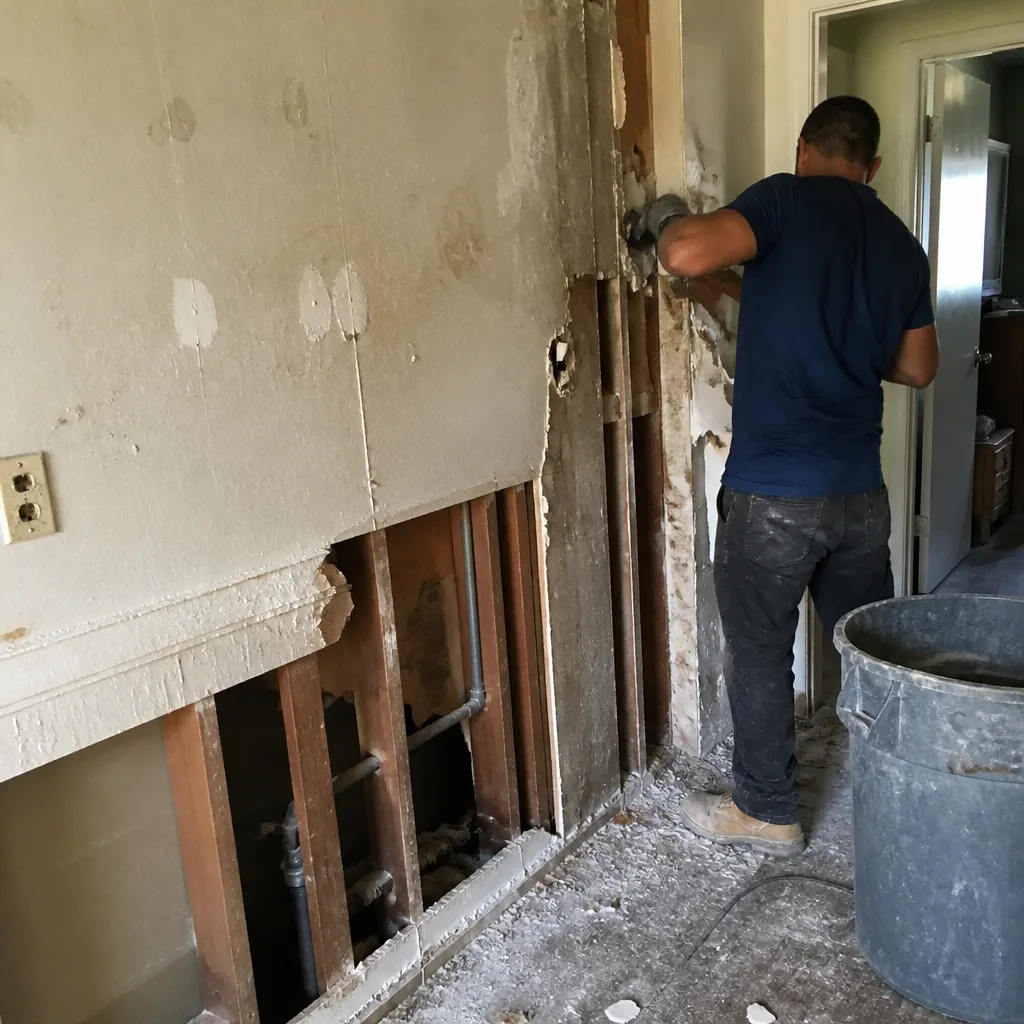 Before
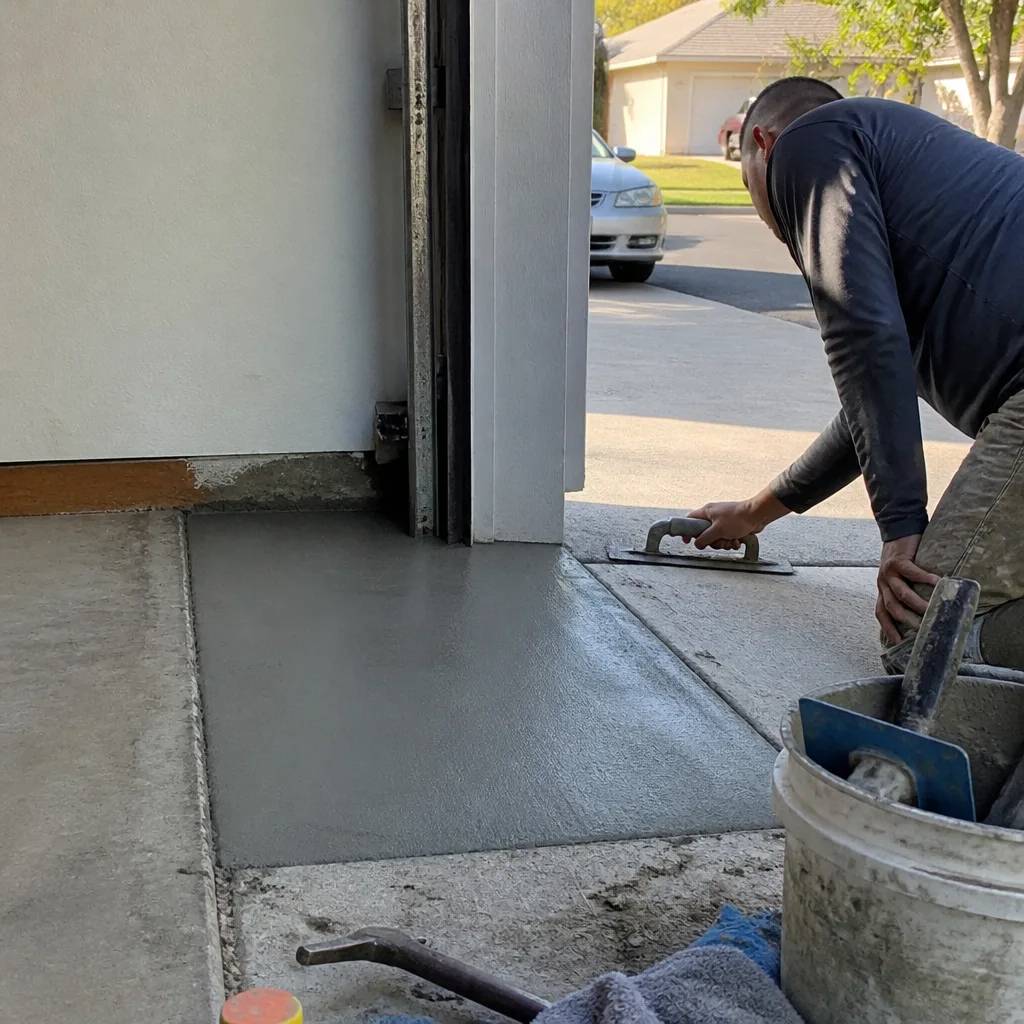 After
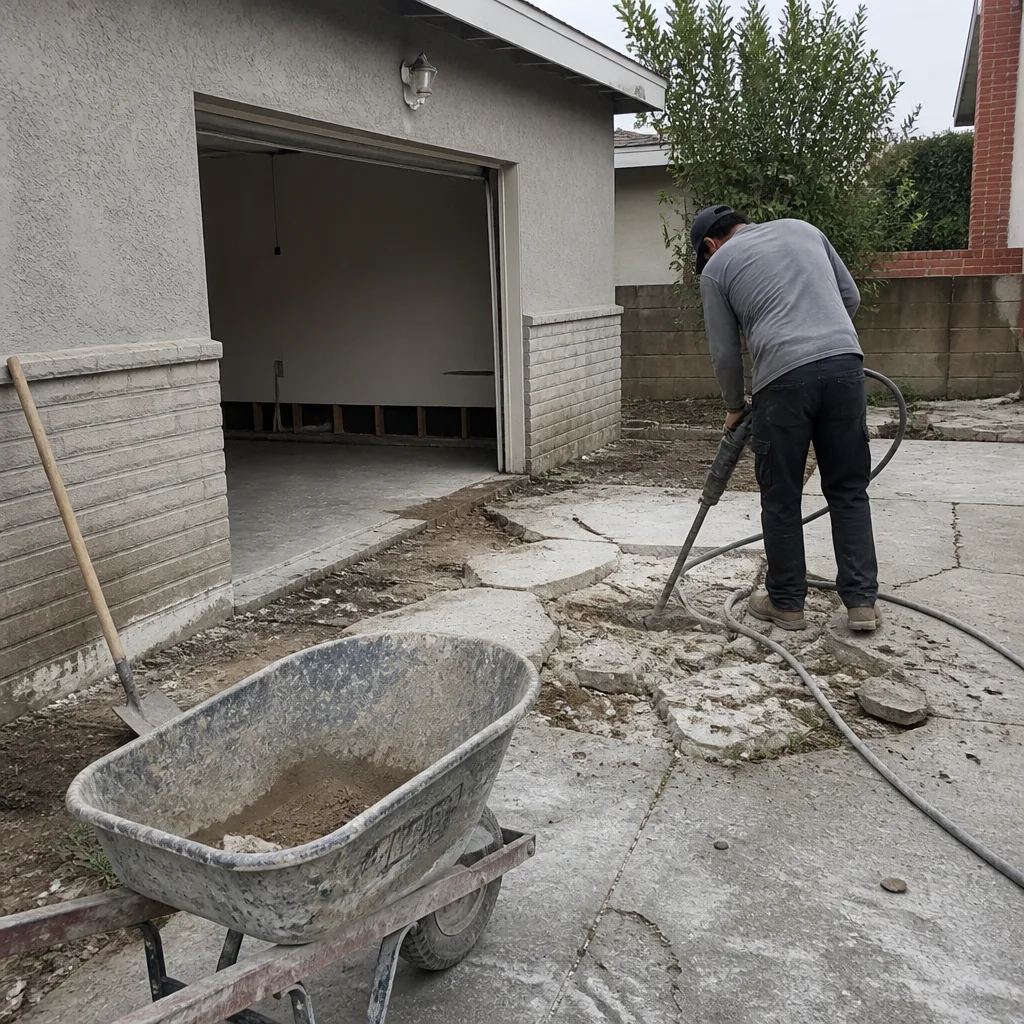 Before
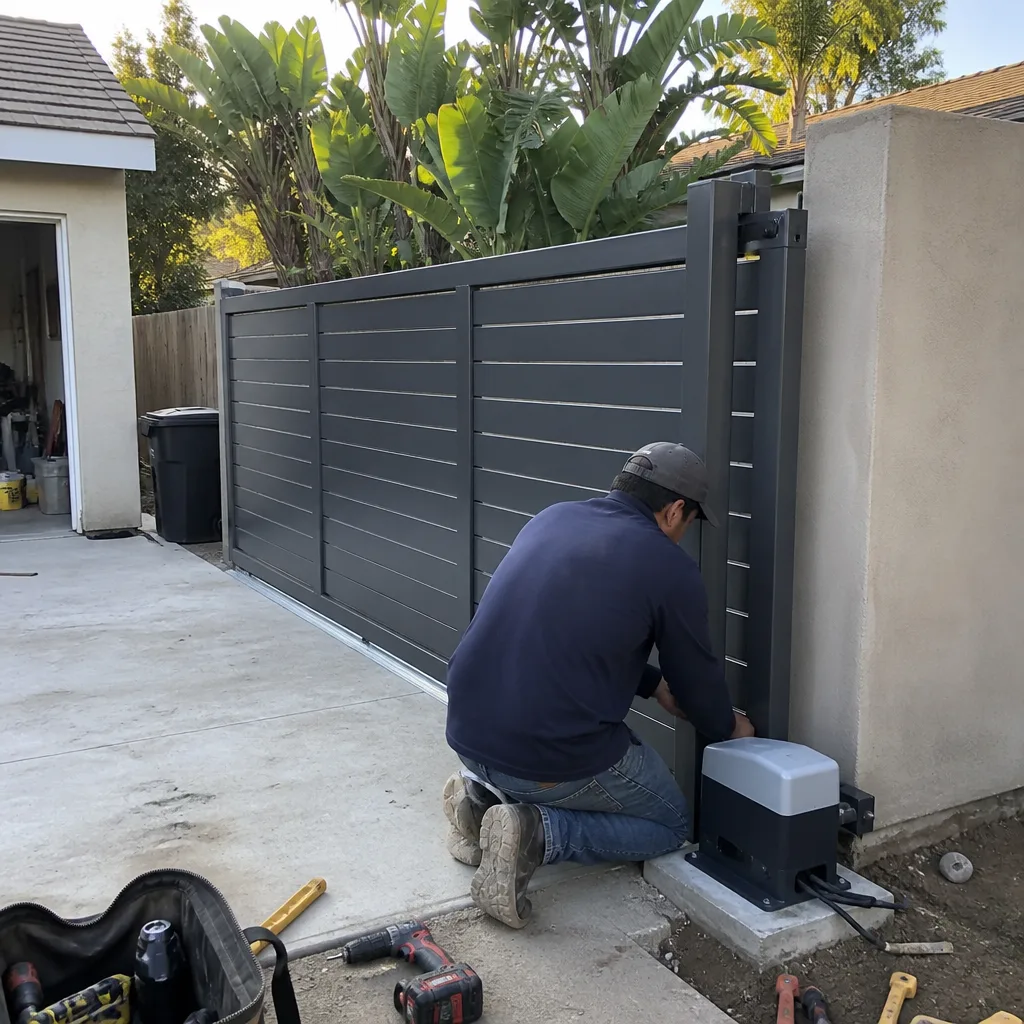 After
 Before
 After