
Last updated October 31, 2026
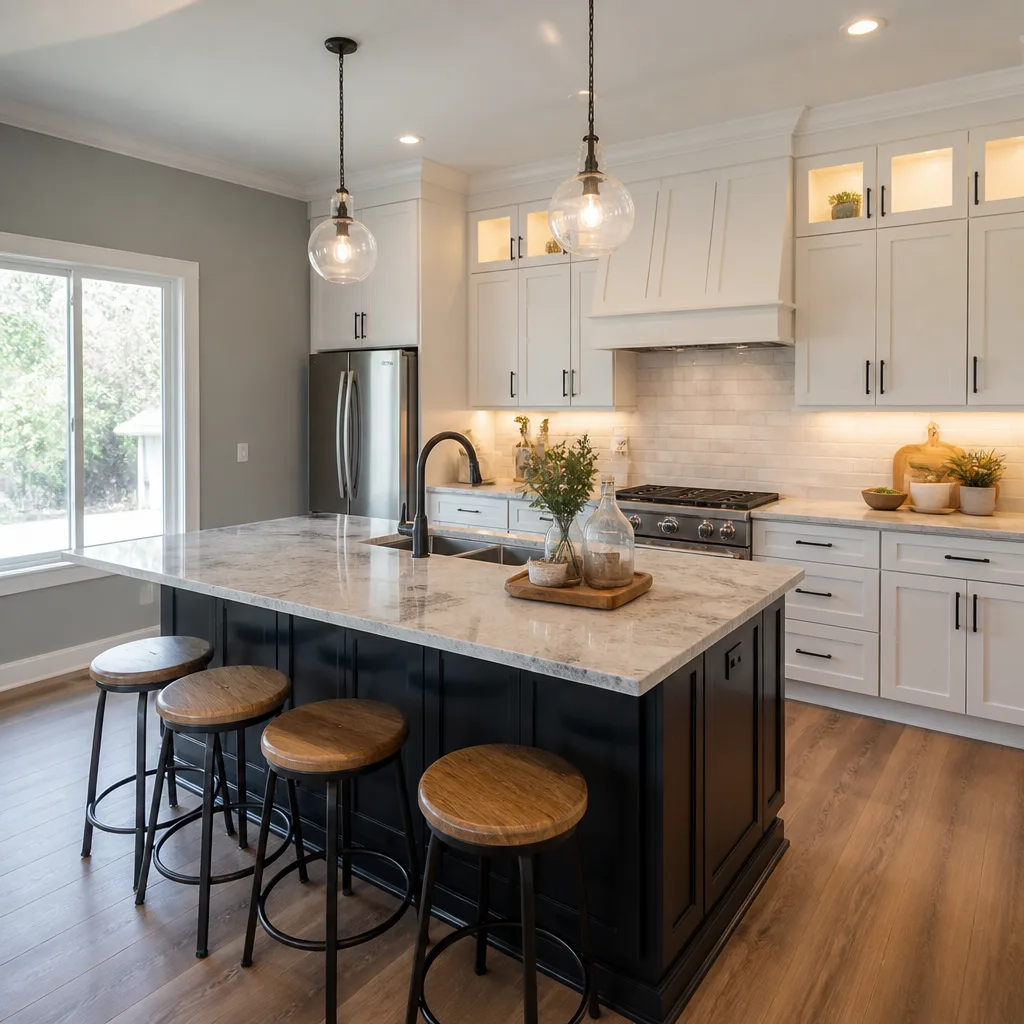 Kitchen remodeling
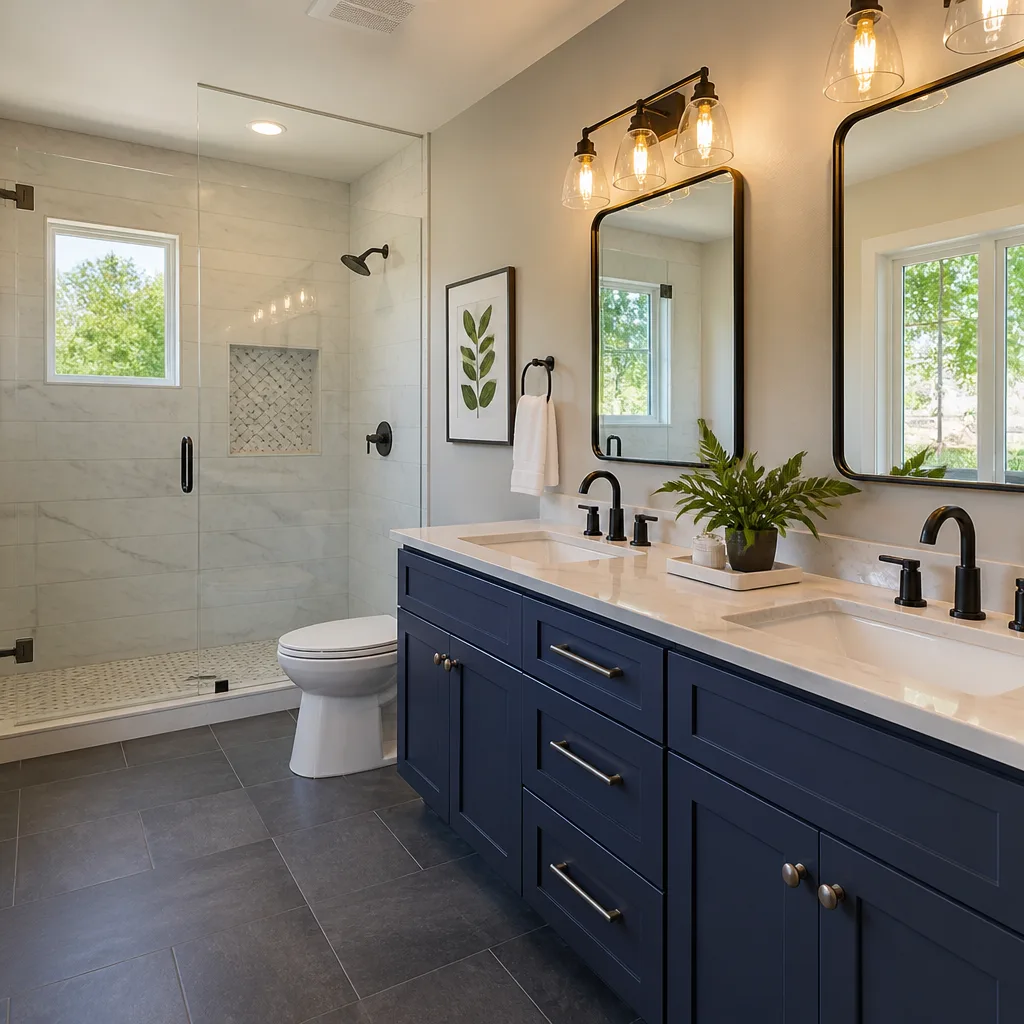 Bathroom remodeling
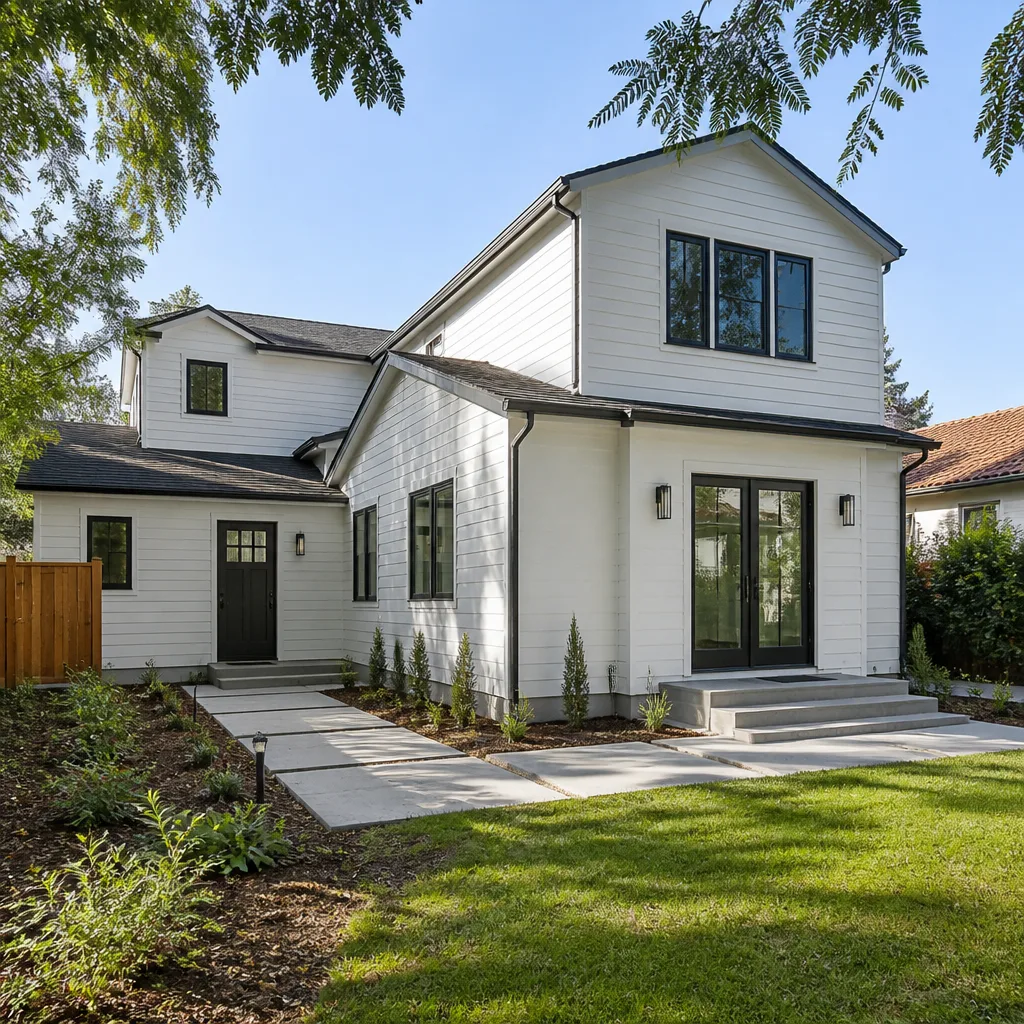 Home additions & ADU
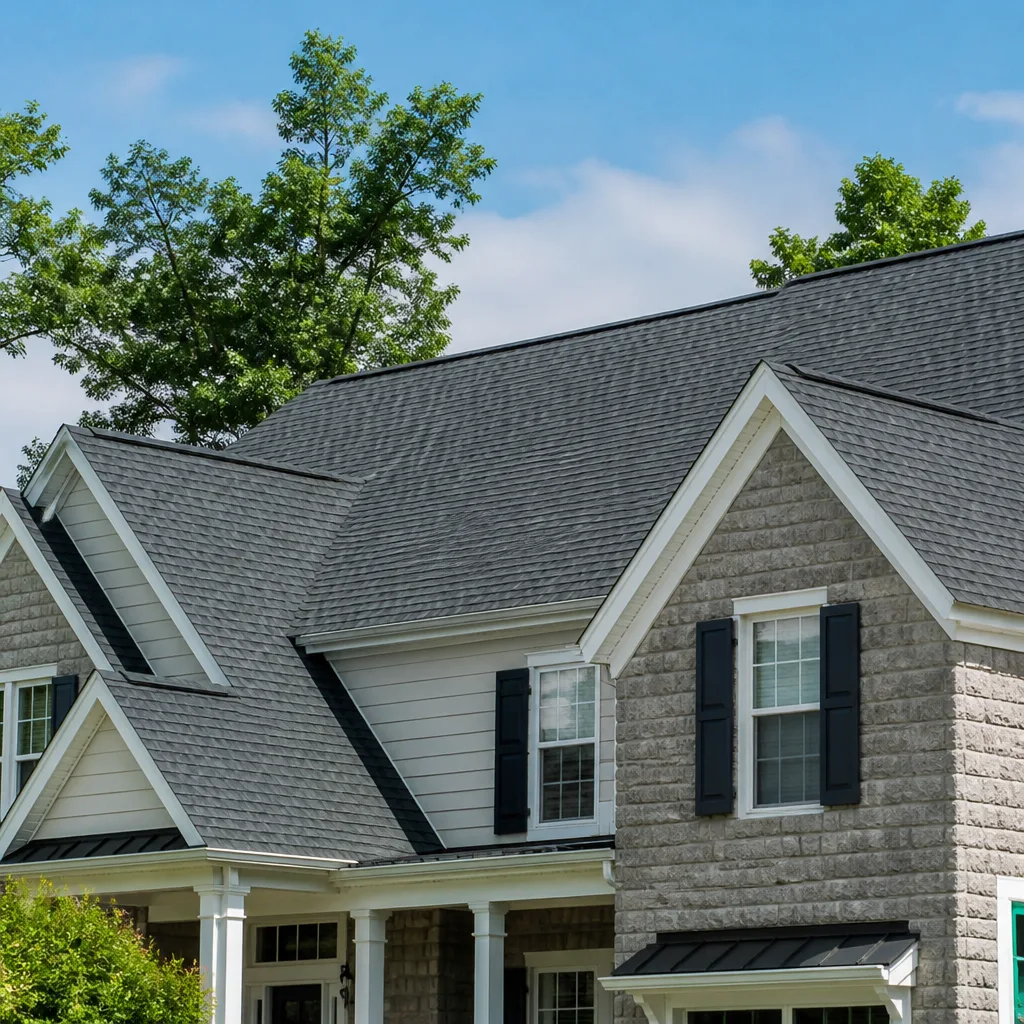 Roofing
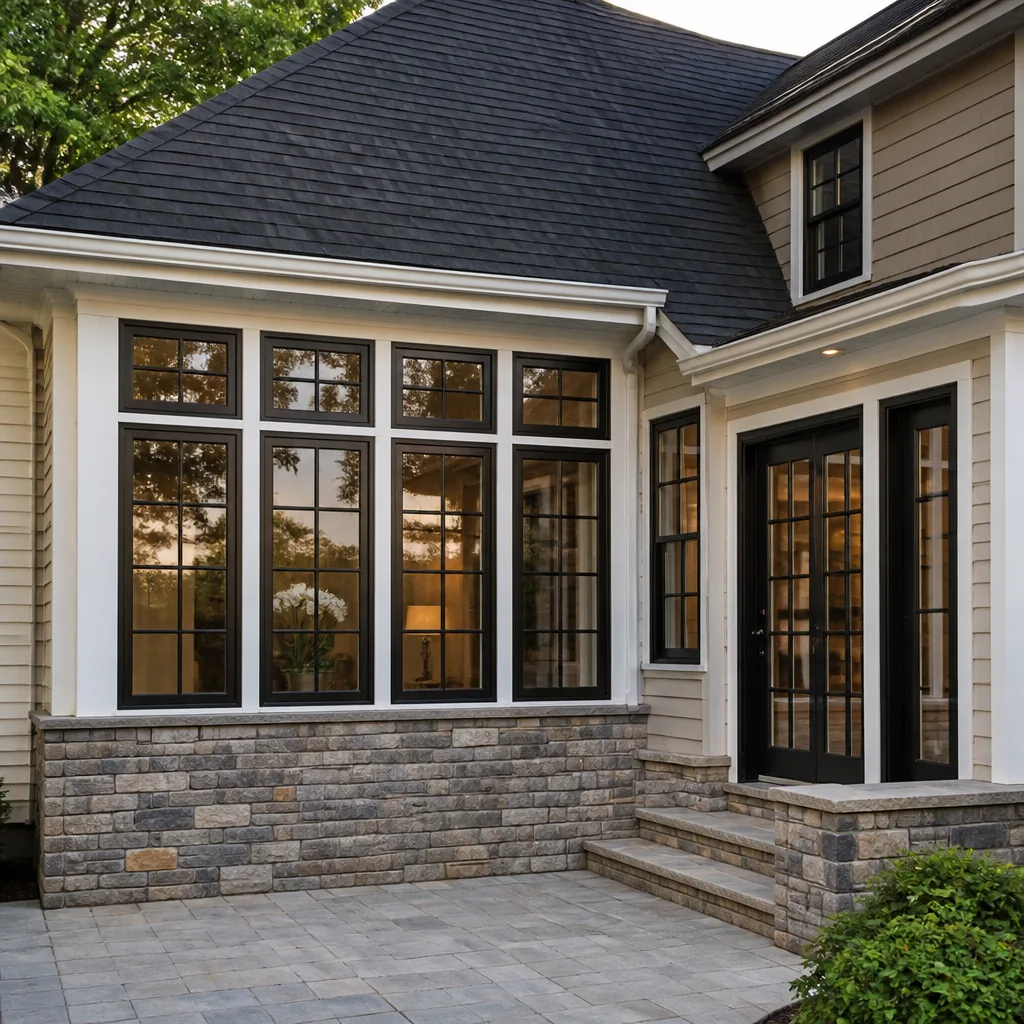 Windows & doors
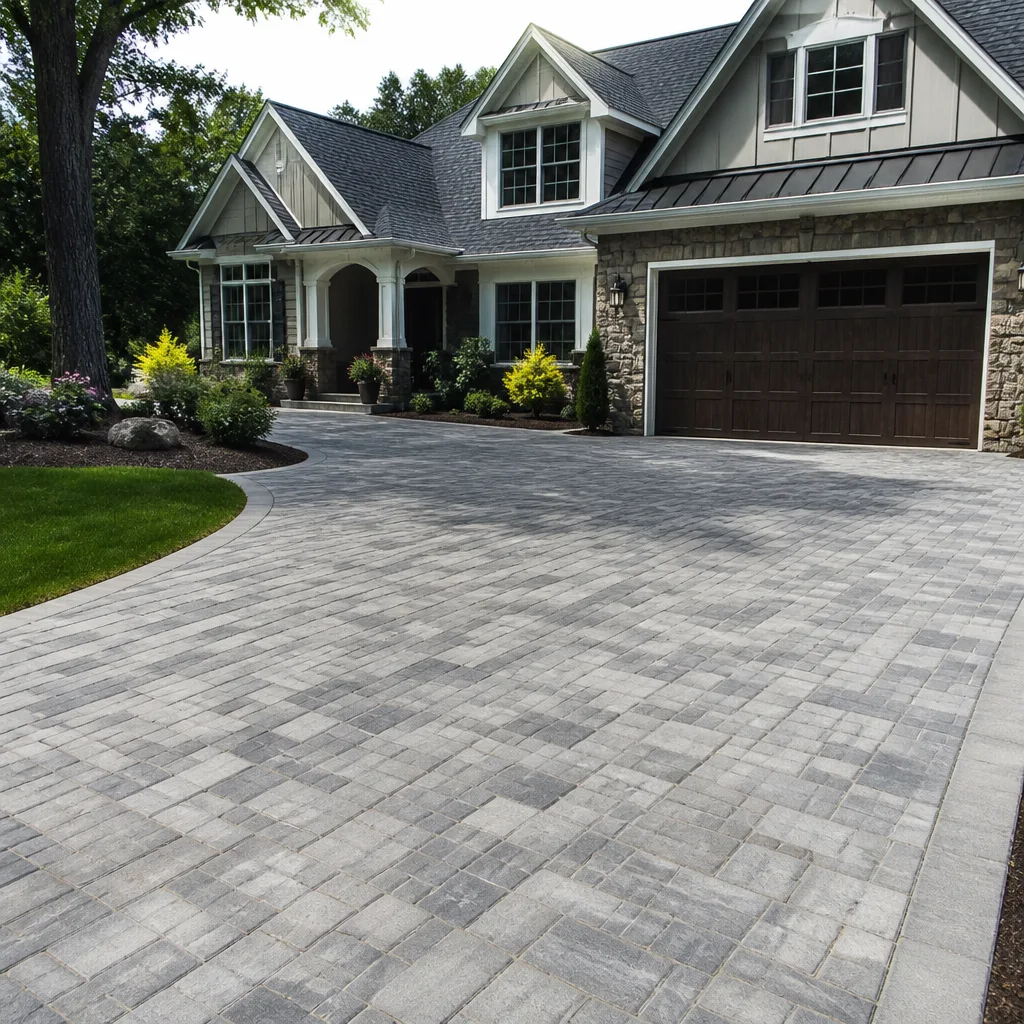 Driveway & pavers
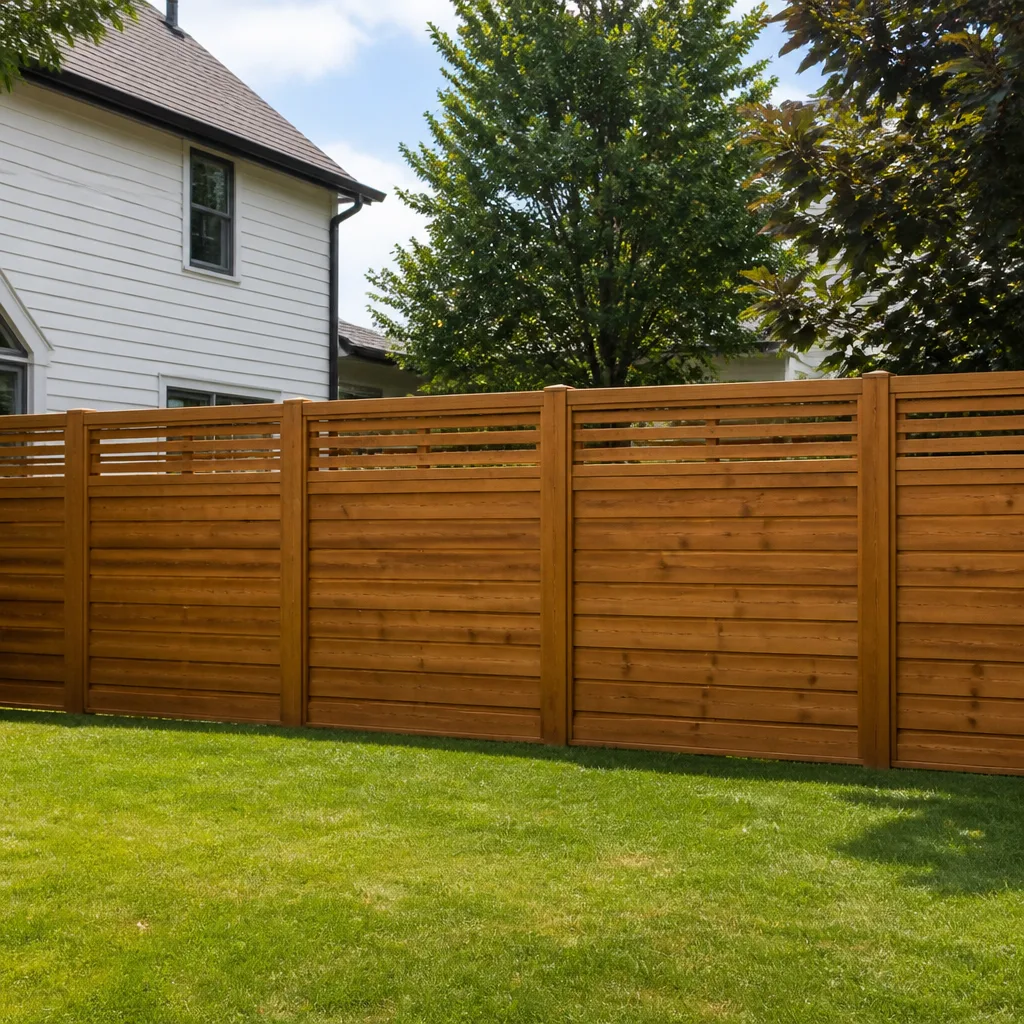 Fence
Free written scope consultation - allowances, timeline, and change-order rules on paper before a single trade is scheduled
Choosing the Right Construction Brand: A Buyer’s Guide for Santa Ana
Here’s a counterintuitive fact we’ve learned from years of building in Orange County: most costly material failures on Santa Ana homes aren’t caused by cheap products. They’re caused by good products specified for the wrong climate zone. A fiber cement siding rated for coastal exposure and a competing product rated for inland climates can look identical on a showroom floor and perform completely differently on a Santa Ana home that sits in the thermal and humidity overlap between both zones. This guide will teach you how to evaluate construction brands the way an experienced general contractor does: by performance criteria, compatibility with your existing home, and long-term serviceability in Santa Ana’s specific conditions. For more background, see our Complete Guide to Construction in Santa Ana. You’ll learn which brand attributes actually matter, which marketing claims to ignore, and how to avoid the showroom trap that costs Orange County homeowners thousands in premature replacements.
Quick Answer
The best construction brands for a Santa Ana homeowner are not the most heavily marketed ones. They’re the products with verifiable performance ratings matched to Santa Ana’s inland-coastal climate overlap, manufacturer warranties that transfer to future owners, contractor certification programs that ensure proper installation, and active local distributor support for repairs a decade from now. For most Santa Ana remodel and renovation projects, that means selecting from mid-tier and premium manufacturers across cabinetry, roofing, windows, siding, and hardscape, then having them installed by one accountable contractor who understands how these systems interact. See The Complete General Contractor Guide for Santa Ana Homeowners for more on finding the right contractor.
Styles & brands we work with
Table of Contents
- Santa Ana’s Climate Reality: Why Product Selection Here Is Different
- Brand Tiers That Actually Matter in Contractor Work
- Compatibility: Why Older Santa Ana Homes Constrain Your Brand Choices
- The Showroom Trap: Marketed Brands vs. Specified Brands
- How a Full-Envelope Contractor’s Brand Relationships Affect Your Project
- Evaluating Brands System by System: A Santa Ana Framework
- Common Mistakes to Avoid
- When to Call a Professional
- Frequently Asked Questions
Santa Ana’s Climate Reality: Why Product Selection Here Is Different
Santa Ana sits at the boundary of California Energy Commission Climate Zones 8 and 9. Zone 8 covers inland areas with hotter summers and cooler winter nights. Zone 9 hugs the coast with marine layer influence and higher humidity. Santa Ana gets both. Summer daytime temperatures regularly push into the 90s while evening brings a cooling marine push from Newport and Huntington Beach. Winter nights dip into the 40s. This thermal cycling, combined with shifting humidity, stresses exterior building products in ways that neither strictly coastal nor strictly inland climates do.
What does this mean for material selection? A roofing shingle rated for high wind but not high thermal cycling will crack and cup prematurely on a Santa Ana roof. A wood-composite deck board with poor UV stabilizers will fade and chalk within three seasons under Santa Ana’s intense sun exposure. An entry door without a thermal break will warp when one side bakes in afternoon sun while the other faces air-conditioned interior space.
When we evaluate products for Santa Ana projects, we look for specific performance criteria beyond aesthetic appeal. For roofing, we check impact resistance ratings, thermal cycling test results, and wind uplift ratings. For siding, moisture resistance and dimensional stability under temperature swings matter more than color options. For windows and doors, U-factor and Solar Heat Gain Coefficient ratings tuned to a mixed climate matter more than frame material alone. For insulation, we look at R-value retention across Santa Ana’s temperature range, not just the number on the bag.
Here’s what to look for in each category:
- Roofing: Class 4 impact resistance, high wind ratings, and manufacturer thermal cycling certification. GAF, Owens Corning, and CertainTeed all offer product lines that meet these criteria, but not every line from each brand does.
- Siding: Look for products with demonstrated dimensional stability across humidity swings. James Hardie fiber cement and engineered wood products with advanced moisture barriers outperform standard options in Santa Ana’s overlap zone.
- Windows and doors: Focus on U-factor below 0.30 and Solar Heat Gain Coefficient tuned to your home’s orientation. South- and west-facing elevations in Santa Ana need lower SHGC ratings to manage afternoon heat gain. Brands like PGT, Therma-Tru, and Milgard offer mixed-climate glazing packages that generic brands often skip.
- Insulation: Air sealing matters as much as R-value in Santa Ana’s older homes. Look for spray foam or dense-pack cellulose products with thermal stability across temperature swings, not just maximum R-value claims.
- Hardscape: Porosity and slip resistance matter for Santa Ana’s occasional heavy winter rains. Belgard, Techo-Bloc, and Unilock all produce pavers designed for mixed climates, but the specific product line within each brand matters.
This is where most homeowner research goes wrong. They compare brands broadly instead of comparing specific product lines within brands for Santa Ana-specific performance. A premium brand’s budget line often underperforms a mid-tier brand’s flagship line in our climate.
Brand Tiers That Actually Matter in Contractor Work
When homeowners research construction brands, they typically sort products into “good,” “better,” and “best” based on price. Contractors sort differently. We evaluate brands on three criteria that determine whether a product will still perform, and whether you’ll still be able to get parts and service, a decade after installation.
Warranty transferability. Many brand warranties are voided or reduced when a home is sold. That matters in Santa Ana, where the median home age is over 50 years and turnover happens frequently. A 50-year manufacturer warranty that dies when you sell the house has less real value than a 25-year warranty that transfers to the next owner. Before selecting any brand, read the warranty transfer terms. Brands like GAF, James Hardie, and Therma-Tru provide transferable coverage on their premium lines. Budget brands frequently do not. This affects resale value and buyer confidence in ways that don’t show up on a product spec sheet.
Contractor certification requirements. The best manufacturers protect their warranties by requiring installation by certified contractors. A GAF Master Elite roofer, a James Hardie Preferred Contractor, or a Therma-Tru certified installer has completed manufacturer training on proper installation methods. If you buy a premium product and have it installed by an uncertified contractor, the manufacturer can deny warranty claims even when the product itself failed. In Santa Ana, where a significant portion of remodeling work is done by unlicensed or underqualified crews, this matters more than most homeowners realize.
Local distributor availability. Construction products fail. Fasteners corrode, sealants break down, individual components need replacement. When that happens five years after installation, you need a local distributor who stocks that brand and can provide matching parts. Santa Ana and the surrounding Orange County market have strong distributor networks for major brands like Kohler, Moen, Delta, Cambria, Caesarstone, and James Hardie. Niche or direct-to-consumer brands, especially those sold primarily online, often have no local parts support. That turns a simple repair into a full replacement.
Here’s how we rank brands for Santa Ana projects:
- Tier 1: Premium brands with strong local distribution, transferable warranties, and certified installer networks. These are brands like GAF and Owens Corning in roofing, James Hardie in siding, PGT and Therma-Tru in windows and doors, Cambria and Caesarstone in countertops, and Kohler and Toto in plumbing fixtures. They cost more upfront but deliver long-term serviceability and warranty protection.
- Tier 2: Solid mid-tier brands with good product consistency and adequate distribution. These include CertainTeed, IKO, and Tamko in roofing, Delta and Moen in fixtures, and Unilock and Tremron in hardscape. They may lack some premium features or transfer terms, but they perform reliably in Santa Ana conditions when properly installed.
- Tier 3: Budget brands with limited distribution and minimal warranty support. We rarely specify these for Santa Ana projects because the long-term risk outweighs the upfront savings. They’re the brands most likely to be discontinued, leaving homeowners with no matching parts for repairs.
This tiering is not about prestige. It’s about what happens when a product needs service in Santa Ana five, ten, or fifteen years after installation.
Compatibility: Why Older Santa Ana Homes Constrain Your Brand Choices
Santa Ana’s housing stock is among the oldest in Orange County. Large portions of the city were built between the 1920s and 1970s. These homes have framing dimensions, rough openings, mechanical systems, and structural characteristics that don’t always match modern product specifications. This is the most overlooked dimension of brand selection: a product’s quality in isolation means little if it cannot be properly integrated with your existing home.
We see this constantly in window replacement projects. Older Santa Ana homes often have non-standard rough opening dimensions. You can buy a premium brand window off the shelf, but if it doesn’t fit your opening without significant framing modification, the installed cost rises dramatically and the finished result may compromise the home’s structural integrity. The better approach is evaluating brands by their custom sizing capabilities and lead times, not just frame materials and glass packages.
Plumbing fixture selection presents similar constraints. Santa Ana homes built before the 1980s often have galvanized steel or cast iron drain lines with different sizing than modern PVC. A premium wall-mounted faucet or a rimless toilet may require drain modifications that a standard floor-mounted fixture avoids. The brand matters less than the product’s compatibility with your existing plumbing configuration. Kohler, Toto, Moen, and Delta all offer expanded compatibility options across their lines, but you need someone who understands how to evaluate that before the fixture is ordered.
Roofing brand compatibility is often overlooked entirely. If your Santa Ana home has a low-slope roof section, standard architectural shingles from any brand won’t perform properly there. That section needs a membrane system or modified bitumen product, which limits your brand options. A full roofing replacement also involves underlayment, flashing, and ventilation choices that must work together as a system. Buying a premium shingle from one brand and budget underlayment from another creates a weak point that no single product warranty will cover.
Here’s a practical framework for evaluating brand compatibility in older Santa Ana homes:
- Measure first, then shop brands. Know your rough opening dimensions, drain line sizes, roof pitches, and framing spacing before you fall in love with a product.
- Ask about modification costs. For any product that doesn’t match your existing conditions, get a written estimate of the changes required before committing to the brand.
- Evaluate system compatibility. In roofing, that means shingle, underlayment, flashing, and ventilation. In windows, that means frame, flashing, and interior trim. In plumbing, that means fixture, supply lines, and drain configuration.
- Consider future serviceability. If you’re replacing one window now, will the same brand and product line still be available when you replace the other five windows in three years? Brands with long production runs and strong distributor presence in Orange County are easier to match down the road.
This is where working with a General Contractor in Costa Mesa or the surrounding area who understands older home systems pays off. We evaluate products in the context of the whole house, not as isolated purchases.
The Showroom Trap: Marketed Brands vs. Specified Brands
Orange County has some of the most heavily marketed construction brands in the country. Walk through any home improvement showroom in Santa Ana, Costa Mesa, or Irvine, and you’ll see prominent displays from brands that invest heavily in consumer advertising. These brands are not necessarily bad products. But they are often not the brands experienced contractors specify when performance in Santa Ana’s climate is the priority.
The showroom trap works like this: a homeowner visits a design center, sees a beautiful display with professional lighting and curated vignettes, and selects products based on that emotional experience. The brands that invest most in these showroom experiences are optimizing for consumer appeal, not necessarily for long-term performance in all climate conditions. Meanwhile, contractors are specifying brands based on warranty claim rates, installer support, distributor reliability, and field performance data accumulated over hundreds of installations.
This doesn’t mean you should avoid showrooms. It means you should understand what you’re looking at. A brand’s showroom presence reflects its marketing budget. A brand’s contractor reputation reflects its field performance. The two are not correlated.
We’ve seen this play out repeatedly in Santa Ana. A homeowner selects a heavily advertised window brand because the showroom display impressed them. Then the product arrives, and the contractor discovers the frame tolerances are wider than industry standard, requiring more shimming and sealant to achieve a proper installation. Or a homeowner selects a premium cabinet line that looks gorgeous in the display but has a 14-week lead time and limited modification capability when the installer discovers an out-of-square wall. Brands like KraftMaid and Wellborn have strong product consistency and customization depth precisely because they’ve spent decades refining their manufacturing for real-world installation conditions, not just showroom appeal.
In our experience, the most reliable product selections for Santa Ana homes come from a different process. You can find more guides & resources on our blog to help with every stage of your project. We start with the performance criteria the project requires, narrow to brands that meet those criteria and have strong local support, then present options within that narrowed set. The homeowner still gets choices. But those choices are pre-qualified to perform in Santa Ana’s conditions. This is the reverse of the showroom approach, which starts with visual appeal and works backward to performance.
For homeowners navigating this dynamic, here’s a practical tip: ask any contractor to show you three or four specific projects they’ve completed with the brand you’re considering, not just product samples. A contractor who has installed a brand fifty times knows its quirks, lead times, warranty claim rates, and customer satisfaction patterns. A contractor installing a brand for the first time is learning on your project, whether they admit it or not.
How a Full-Envelope Contractor’s Brand Relationships Affect Your Project
There’s a structural difference in how product brands are accessed depending on whether you’re working with a specialty contractor or a general contractor who handles the full scope of home renovation. This difference affects pricing, warranty support, and project quality in ways that rarely get discussed with homeowners.
Specialty contractors, by definition, work with a narrow set of brands in one category. A roofing contractor installs shingles from two or three manufacturers. A window contractor reps two or three window brands. This specialization creates depth of expertise in that category. But it also creates brand lock-in. The contractor recommends what they know and what they have pricing structured around, which may or may not be the best product for your specific Santa Ana home.
A full-envelope contractor like Framework Contractors home works across every system in a home. That means our brand relationships span 50+ manufacturers: GAF, Owens Corning, CertainTeed, IKO, Atlas, and Tamko in roofing. James Hardie in siding. PGT, CGI, ECO Window Systems, and Therma-Tru in windows and doors. Kohler, Grohe, Toto, Moen, Delta, American Standard, and Blanco in fixtures. Cambria and Caesarstone in countertops. Belgard, Unilock, Tremron, Techo-Bloc, and Cambridge Pavers in hardscape. KraftMaid and Wellborn in cabinetry. The list goes deeper from there.
Why does this breadth matter to a homeowner? Three reasons:
- Product selection is driven by project requirements, not contractor limitations. When a contractor has access to multiple brands in every category, the recommendation can be based on what’s right for your Santa Ana home’s specific conditions rather than what the contractor happens to have a pricing agreement for.
- System integration happens at the design level. A window’s flashing detail affects the siding installation. A roofing ventilation decision affects attic insulation performance. A hardscape drainage plan affects foundation moisture. When one contractor is responsible for all of these systems, brand and product choices get coordinated so they work together properly.
- Warranty accountability has a single point of contact. When a product fails, you don’t want to navigate between a window manufacturer, a siding contractor, and a general contractor to figure out who’s responsible. With a full-envelope approach, one contractor manages the warranty process across all brands because that contractor specified and installed everything.
There’s also a pricing dimension worth understanding. Contractors with established brand relationships and volume purchasing can often access products at pricing that beats retail or direct-to-consumer channels. This is especially true for premium brands like Cambria, Caesarstone, and Kohler, where an established contractor account produces meaningful savings. For a Santa Ana homeowner doing a major remodel, this can represent thousands of dollars in material cost savings without compromising on brand quality.
We’ve also found that manufacturer support is dramatically better when the contractor has an established relationship. When a warranty issue arises, a manufacturer responds differently to a contractor who installs 50 of their units per year versus a homeowner calling an 800 number alone. This isn’t a minor detail. It’s the difference between a warranty claim resolved in weeks versus a claim that drags on for months while your Santa Ana home sits incomplete.
Evaluating Brands System by System: A Santa Ana Framework
Different home systems require different evaluation criteria. A brand that excels in one category may be mediocre in another, even under the same manufacturer’s umbrella. Here’s a practical framework for evaluating construction brands across the major systems you’ll encounter in a Santa Ana renovation.
Roofing: Thermal Cycling and Wind Resistance
Santa Ana’s inland heat combined with coastal moisture creates demanding conditions for roofing products. Look for architectural shingles with Class 4 impact resistance, high wind ratings, and demonstrated performance in thermal cycling tests. GAF’s Timberline HDZ line, Owens Corning’s Duration series, and CertainTeed’s Landmark line all perform well in Santa Ana conditions when installed with proper underlayment and ventilation. Avoid three-tab shingles entirely for Santa Ana roofs; they don’t hold up to thermal cycling and wind exposure at this performance level.
Windows and Doors: Orientation Matters More Than Brand
South- and west-facing elevations in Santa Ana get brutal afternoon sun. That means Solar Heat Gain Coefficient ratings should drive your brand selection more than frame material or style preferences. PGT and CGI offer impact-rated products that perform well in mixed climates, but they’re overkill for many Santa Ana homes unless you’re in a wind exposure zone. Therma-Tru dominates the entry door category with fiberglass products that resist warping in Santa Ana’s thermal swings, and ViewLux frames deliver excellent thermal performance for replacement window applications. The key variable is glazing package: specify Low-E coatings tuned for Santa Ana’s mixed heating and cooling demands, not the default package a showroom displays.
Cabinetry: Construction Quality Over Door Style
Cabinet brands differ most in box construction, drawer hardware, and finish durability. KraftMaid and Wellborn both offer plywood boxes and full-extension soft-close hardware on their mid-tier and premium lines. Avoid MDF boxes with stapled corners, which fail in Santa Ana kitchens where humidity swings cause dimensional changes. Also ask about modification capability. Older Santa Ana homes rarely have square walls, and a brand that can accommodate custom filler and modification during installation is worth more than a brand with more color options.
Countertops: Porosity, Staining, and Heat Tolerance
Cambria and Caesarstone dominate the premium quartz segment for good reason: consistent slab quality, strong warranty terms, and wide local distributor availability in Orange County. For natural stone, focus on porosity and sealing requirements. Santa Ana’s hard water can etch polished marble and some granites if not sealed properly. Quartz eliminates the sealing requirement entirely, which is a meaningful advantage for busy households.
Hardscape: Drainage and Freeze-Thaw Performance
Santa Ana’s occasional heavy winter rains demand paver systems with proper base preparation and drainage. Belgard, Techo-Bloc, Unilock, Tremron, and Cambridge Pavers all offer products that perform well when installed correctly. The brand matters less than the installation quality and base preparation. A premium paver on a poorly prepared base will fail just as quickly as a budget paver. Ask about the full system, not just the surface product.
Fencing: Climate Durability and Wind Resistance
Santa Ana’s Santa Ana wind events, particularly in fall and winter, require fencing systems designed for wind uplift. Barrette and Master Halco offer vinyl, composite, and metal fencing products with engineered wind resistance. Wood fencing alternatives have made significant advances in dimensional stability and finish durability for Santa Ana’s hot, dry summers and occasional heavy rains. The critical variable is post installation depth and anchoring method, which matters more than the brand name on the panel.
Common Mistakes to Avoid
- Selecting brands before defining project requirements. Many Santa Ana homeowners pick a cabinet or window brand from a showroom visit, then try to fit the project around that product. This reverses the correct order. Define your functional requirements first, then narrow to brands that meet them. This is how Home Remodeling in Costa Mesa projects stay on budget and on schedule.
- Assuming premium price equals premium performance. Every major brand has entry-level product lines that don’t deliver the performance their flagship products are known for. A premium brand’s budget line often underperforms a mid-tier brand’s top line. Read the spec sheet for the specific product you’re buying, not the brand’s general reputation.
- Ignoring warranty transfer terms. If you sell your Santa Ana home five years after a remodel, a non-transferable warranty means the buyer gets no manufacturer protection. That reduces what you can command for the home and may complicate the sale. Premium brands like GAF, James Hardie, and Therma-Tru offer transferable coverage on their top product lines.
- Skipping the compatibility analysis. In older Santa Ana homes, buying a product that doesn’t fit existing conditions creates hidden modification costs that can double the effective price. Wall-mount faucets on old plumbing, oversized windows in undersized openings, and premium shingles on low-slope roof sections are common expensive mistakes.
- Choosing a contractor based on price, then trying to compensate with premium brands. This is the single most common mistake we see. A skilled installer working with mid-tier products will deliver better long-term results than an unskilled installer working with premium products. The brand cannot compensate for installation quality. For major projects, the contractor selection matters more than the brand selection.
- Ordering products online to save money. Direct-to-consumer construction material purchases often lack local warranty support, arrive without proper packaging for transport, and can’t be returned easily if they arrive damaged. The savings rarely justify the risk on major projects. Your Santa Ana project needs products with local distributor backing and contractor accountability.
- Neglecting system integration. Windows affect siding. Roofing affects ventilation. Ventilation affects insulation. Insulation affects HVAC performance. When brands and products are selected in isolation without thinking through how they interact, the result is a house that doesn’t perform as the sum of its parts. Home Renovation in Costa Mesa and Santa Ana projects require a systems perspective, not a checklist of individual product purchases.
When to Call a Professional
If your Santa Ana home renovation involves structural changes, window or door replacement, roofing, siding, or any system where improper installation creates safety or water intrusion risks, professional involvement is not optional. These are not DIY projects. A roofing error creates leaks that rot framing. A window flashing error creates mold inside walls. A structural error creates hazards that may not appear until years after the work is done. For Santa Ana homeowners planning significant remodels, the brand selection process works best when a qualified contractor is involved from the beginning, evaluating product options against your home’s specific conditions rather than after products have already been purchased.
Framework Contractors offers free estimates in Santa Ana. Call (844) 681-3590 to discuss your project and get expert guidance on brand selection without any obligation.
Frequently Asked Questions
The best construction brands for Santa Ana homes are those with performance ratings matched to the city’s mixed inland-coastal climate, transferable warranties, and strong local distributor support in Orange County. In roofing, GAF, Owens Corning, and CertainTeed lead the field. In siding, James Hardie. In windows and doors, PGT and Therma-Tru. In countertops, Cambria and Caesarstone. In plumbing fixtures, Kohler, Moen, and Delta. In hardscape, Belgard, Techo-Bloc, and Unilock. The specific product line within each brand matters more than the brand name itself. Call (844) 681-3590 for a free consultation on your specific project.
Premium brand materials typically add 15% to 30% to your total project cost compared to builder-grade products, but the long-term value depends on which system you’re upgrading. For detailed cost analysis, see our Construction Cost Breakdown: The Santa Ana Homeowner’s Reference for 2026. Premium roofing and siding products deliver measurable energy savings and extended lifespan in Santa Ana’s climate. Premium cabinetry and countertops primarily affect resale value and daily enjoyment. Your budget allocation should reflect which systems will be most expensive to replace or repair if a cheaper product fails prematurely. For an exact estimate on your specific project, call (844) 681-3590.
Buying materials yourself and hiring a contractor for installation only creates accountability gaps that often cost more than they save. If a product arrives damaged, you own the replacement cost. If a warranty claim arises, the manufacturer will ask whether a certified installer performed the work. If the contractor says your product was already defective when it arrived, you’re in a dispute between parties with no clear responsibility. For most Santa Ana homeowners, having the contractor supply and install materials is the better arrangement because it creates a single point of accountability for the entire project.
Premium construction brands generally perform better in Santa Ana’s climate when you select product lines matched to the specific conditions. Santa Ana’s thermal cycling between daytime heat and evening marine influence stresses exterior products in ways that strictly inland or strictly coastal climates don’t. Premium brands invest more heavily in the material science, testing, and quality control that addresses these conditions. But the keyword is “generally.” Some mid-tier product lines outperform premium brands’ budget lines in specific applications. The evaluation must be done at the product line level, not the brand level.
Ask the contractor directly for their certification status with the brand you’re considering. Legitimate certifications are verifiable through the manufacturer’s website. GAF lists Master Elite roofers. James Hardie lists Preferred Contractors. Therma-Tru lists certified installers. If a contractor claims certification but doesn’t appear in the manufacturer’s database, that claim is false. At Framework Contractors, we’re happy to provide documentation of our manufacturer certifications for any project we bid. Call (844) 681-3590 to discuss your project.
The most overlooked factor when choosing construction brands in Orange County is compatibility with the existing home’s systems, especially in Santa Ana’s older housing stock. A premium product that requires significant modification to fit your existing framing, plumbing, or roofing structure can end up costing more than a different brand that integrates cleanly. The brand evaluation must happen in the context of your specific home, not in isolation. This is where working with a full-envelope contractor who understands older Orange County homes delivers outsized value.
The Bottom Line
Choosing construction brands for a Santa Ana home is a performance decision, not just an aesthetic one. Santa Ana’s position at the boundary of climate zones creates demanding conditions that separate well-specified products from poorly specified ones. The brands that serve homeowners best are those with verifiable performance ratings for mixed climates, transferable warranties, certified installer networks, and strong local distributor presence in Orange County. Most importantly, brand selection should happen within the context of your specific home’s compatibility constraints and your overall renovation goals. One contractor. Every system. That’s the approach that produces a home that performs as well as it looks, from the roof down to the foundation.
Written by the team at Framework Contractors, serving Santa Ana since 2015.
See the difference
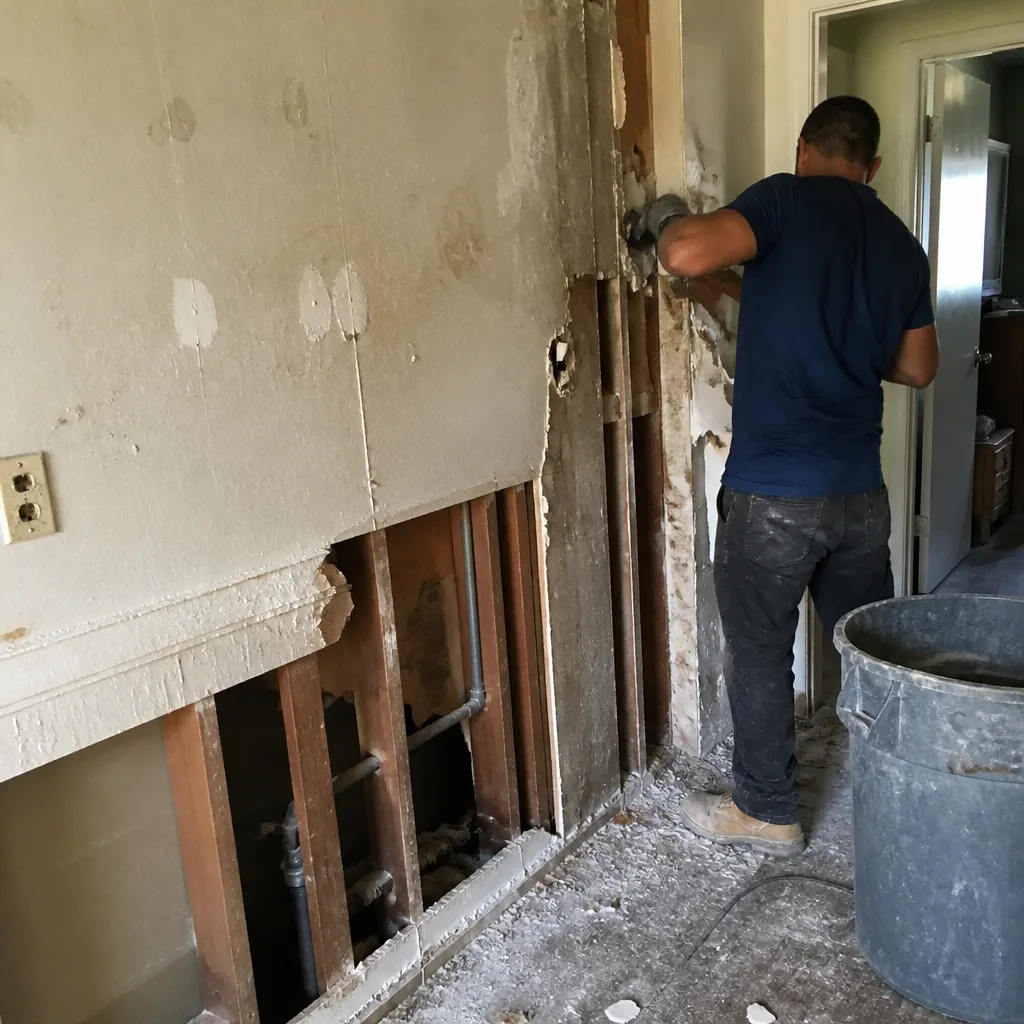 Before
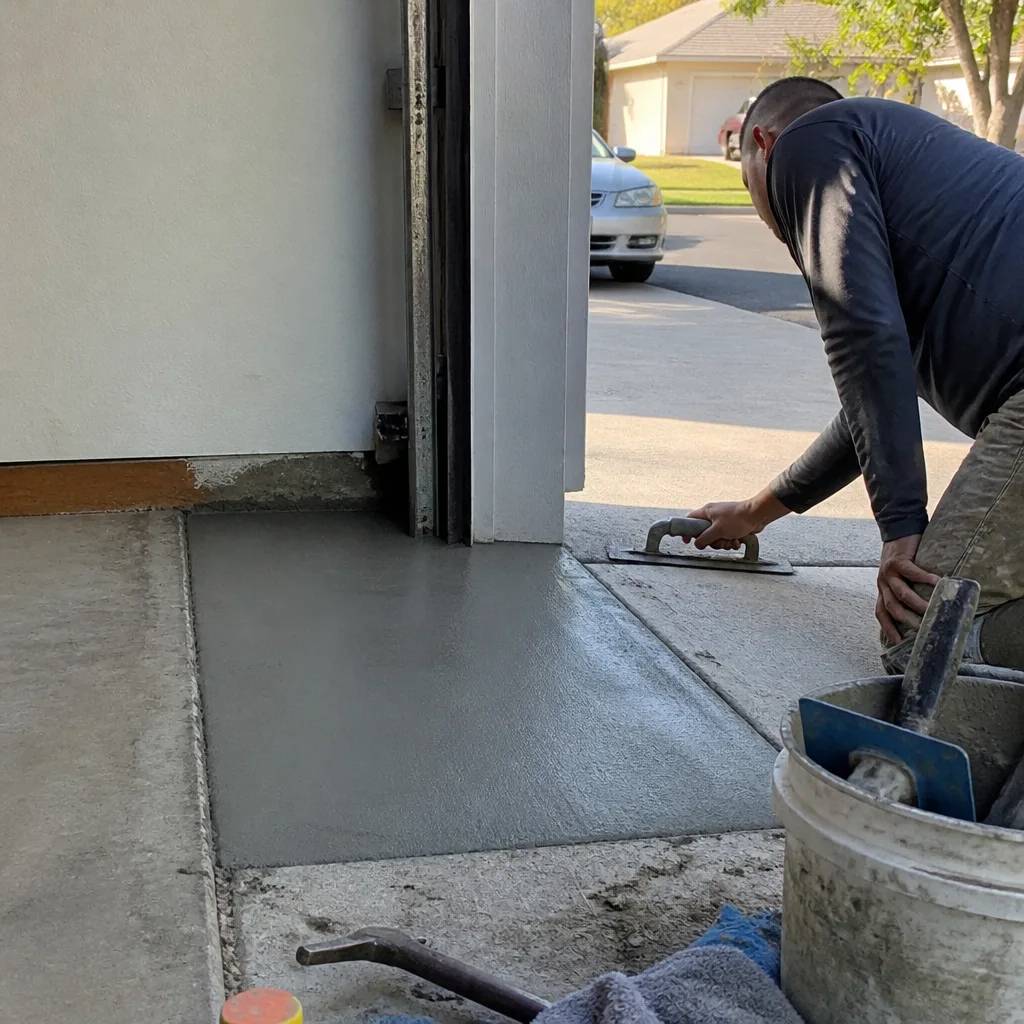 After
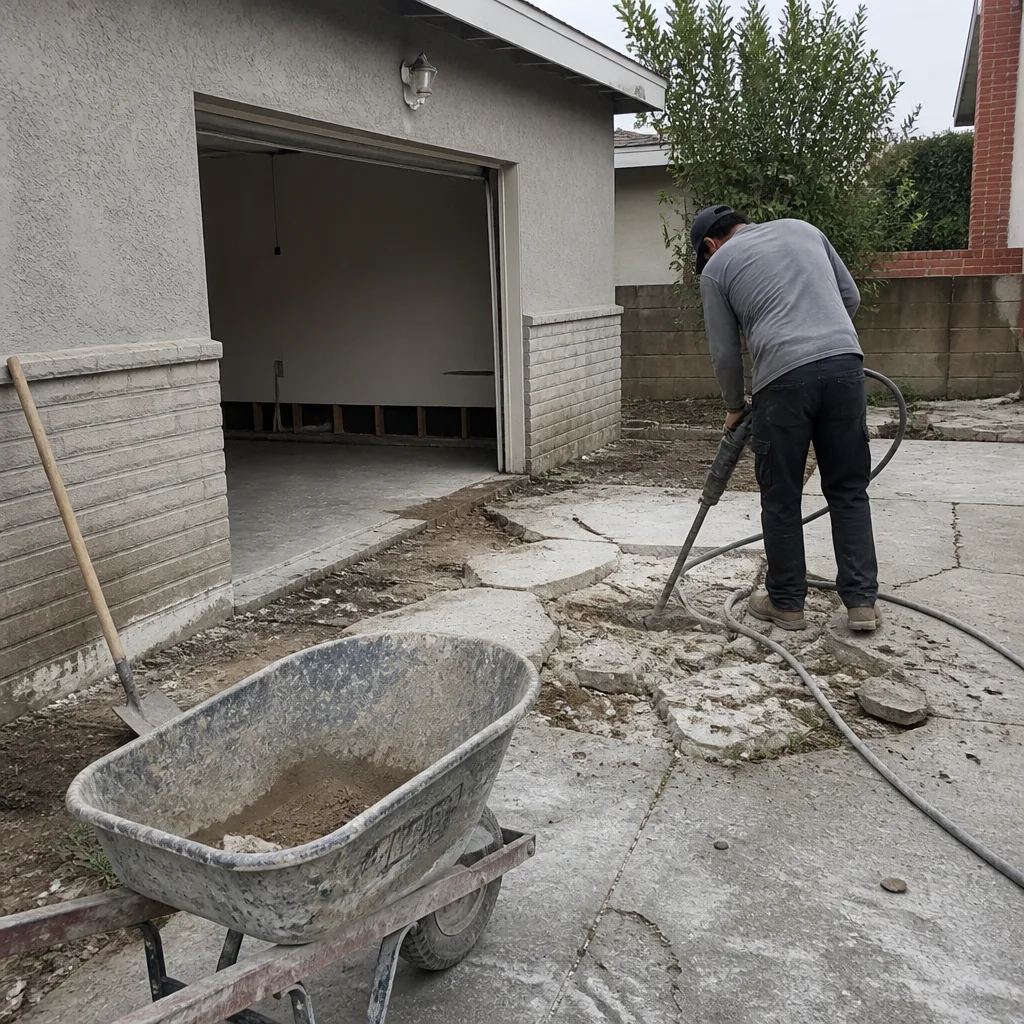 Before
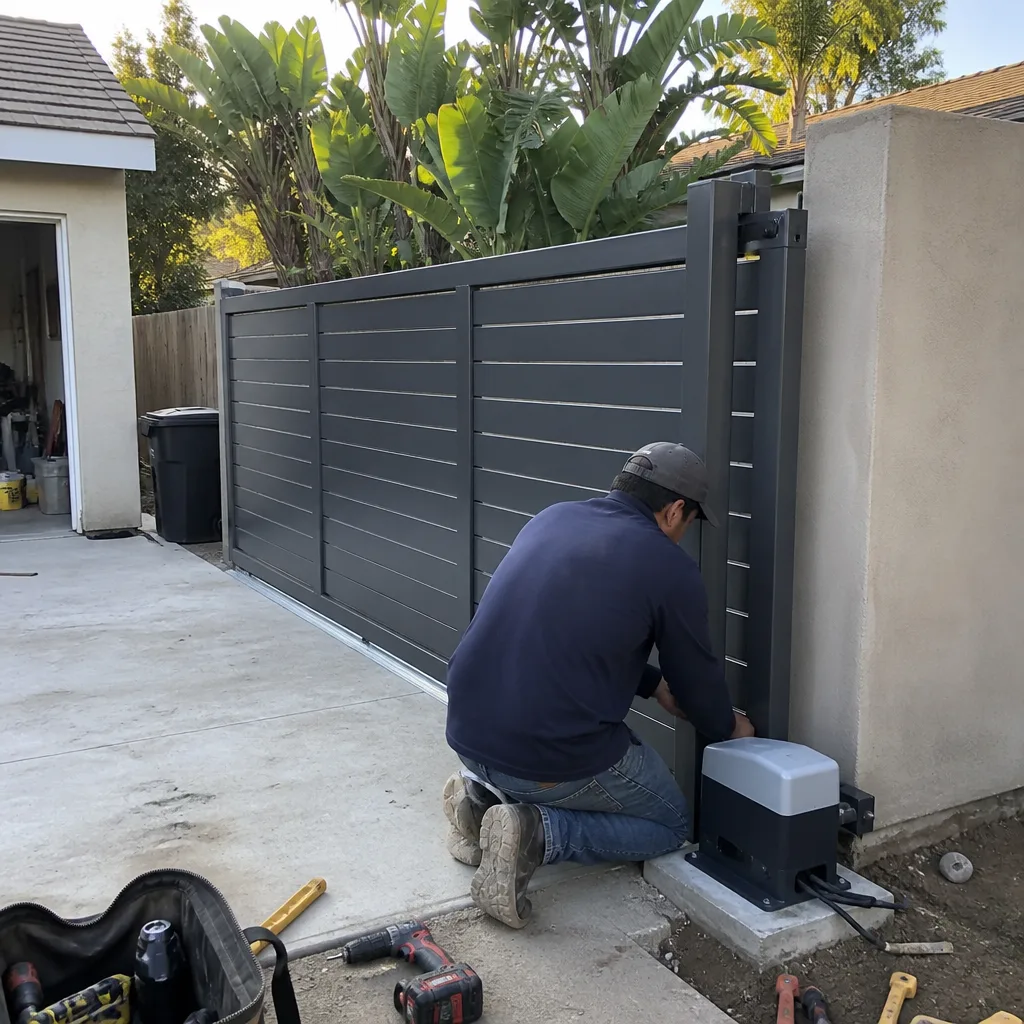 After
 Before
 After